
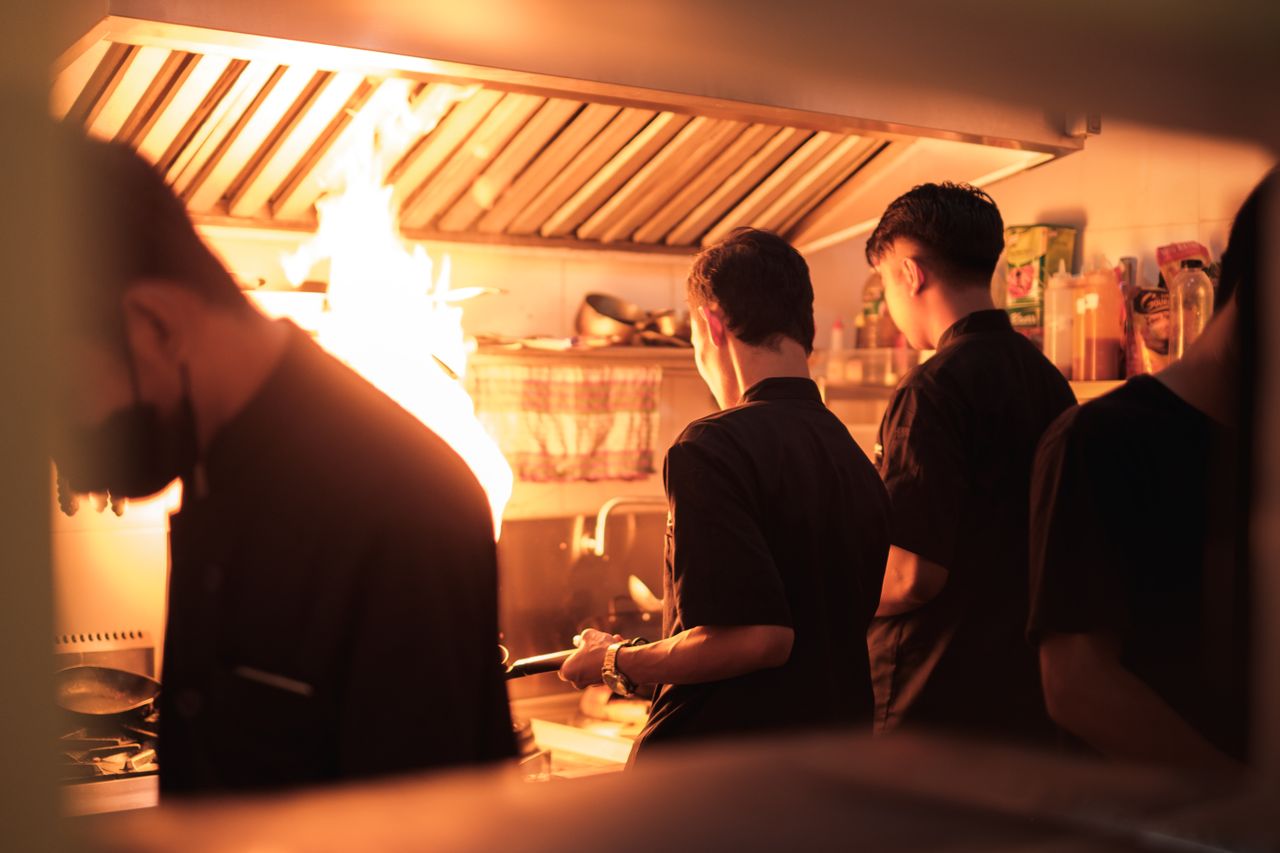
Restaurant menus, cooking shows, and grocery packaging increasingly use professional kitchen language that was once mostly limited to culinary schools and restaurant back lines. For home cooks across the U.S., that means terms like sear, braise, temper, and emulsify now appear regularly in recipes, social posts, and meal kits. The result is a broader food vocabulary, but also more confusion about what these terms mean in practice.
Why these terms are everywhere now
Professional cooking language has moved into mainstream food culture as recipe publishers, restaurant groups, cookware brands, and video creators try to explain technique with a shorthand that cooks recognize. Terms such as julienne, chiffonade, fold, and deglaze are now used routinely by major recipe platforms and culinary educators, according to instructional glossaries and technique guides published by America’s Test Kitchen, MasterClass, and several culinary schools. Those sources generally define the words in similar ways, even if the level of detail varies by audience.
That wider use reflects how people now learn to cook. Instead of relying only on family habits or print cookbooks, many home cooks follow step-by-step online videos where chefs use industry terms as a baseline language. In that setting, a phrase like “deglaze the pan” saves time, but only if the viewer already knows it means adding liquid to loosen the browned bits left after cooking.
The same pattern applies on menus. A diner may see aioli, gastrique, confit, or crudo and understand the dish sounds technique-driven without necessarily knowing the exact preparation behind it. In plain terms, the vocabulary often signals method, texture, or style, not just ingredients.
What the most common kitchen terms actually mean
Some of the most frequently used kitchen terms describe heat and moisture. Sear means cooking the surface of food over high heat to develop browning. Braise means first browning food and then cooking it slowly in a small amount of liquid. Poach refers to gently cooking delicate foods in liquid kept below a full boil, while simmer means a liquid is hot enough for small, steady bubbles rather than a rolling boil.
Another large group of terms refers to knife work and mixing. Dice means cutting food into cubes, while mince means making pieces very small. Julienne describes thin matchstick-like strips, and chiffonade usually refers to finely sliced ribbons of leafy greens or herbs. Fold means gently combining a lighter ingredient into a heavier mixture without knocking out too much air.
Texture and sauce terms can be even less obvious. Emulsify means combining two liquids that normally separate, such as oil and vinegar, into a more stable mixture. Temper means slowly bringing ingredients such as eggs or chocolate to a usable temperature so they do not scramble or seize. Al dente, commonly used for pasta, means cooked through but still firm to the bite.
What it means for home cooks and diners
For consumers, knowing these terms can make recipes easier to follow and menus easier to read. A person who understands the difference between roast, bake, broil, and sauté is better positioned to judge timing, equipment, and likely texture before starting dinner. That matters as more meal planning, grocery buying, and recipe discovery now happens digitally, where instructions are often condensed for speed.
There is also a practical reason food businesses keep using this vocabulary. Technique words communicate quality, preparation style, and intended result in fewer words than a full explanation would require. A menu that says vegetables are charred, pickled, or blistered gives diners immediate information about flavor and texture, even if the terms still need occasional decoding.
For now, the clearest takeaway is that most kitchen language is less mysterious than it sounds once it is translated into action. In most cases, the term is simply a shortcut describing how food is cut, heated, mixed, or finished. As culinary language continues to move from restaurants into home kitchens, that shared vocabulary is likely to remain part of how Americans cook and order food.
Interesante. Transcribir audio: MAI Transcribe 2 . MAI Transcribe 2