
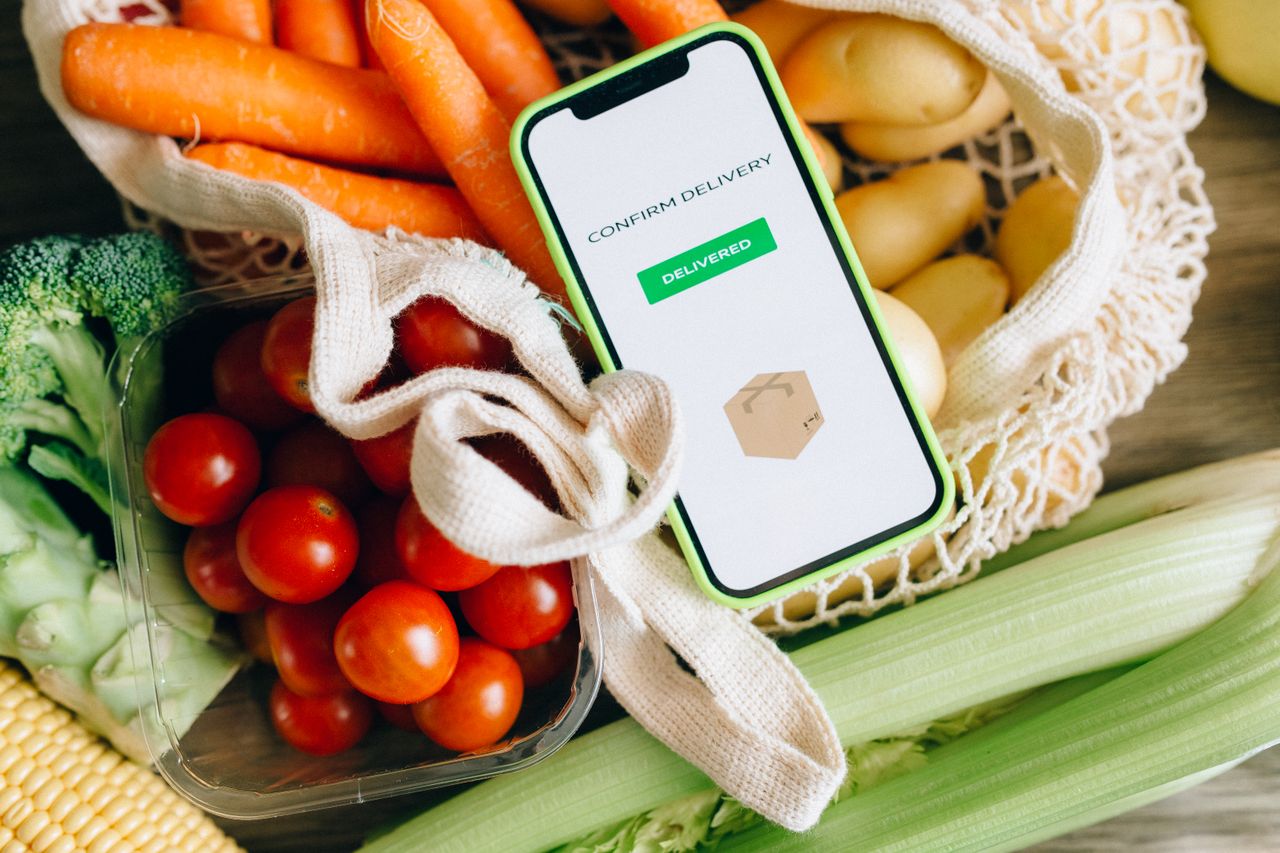
It feels smart, efficient, and modern. Open the grocery app, tap a few coupons, and watch the “you saved” total climb. But that tidy little ritual can hide a much bigger number: what you actually spent.
Why the app can make overspending feel like a win
The most seductive grocery app trick is not delivery itself. It is the illusion of control created by clipped digital coupons, rotating app-only offers, and a running savings tally that makes shoppers feel financially disciplined even as their carts grow. Retailers know that when people see visible discounts, they focus on the deal more than the final basket total.
That matters because online shopping environments are built to stimulate extra purchases. Research published in Information & Management found that limited-time and limited-quantity promotions can increase impulse buying in online markets. More recent studies in mobile commerce and online retail have also tied app design, visual cues, and instant discounts to stronger impulse-buying behavior.
In grocery shopping, that can translate into adding snacks, beverages, or convenience items that were never on the original list. One 2021 study comparing online and in-store grocery purchases found that shoppers did behave differently across channels, underscoring that the format itself changes buying patterns. In other words, the app is not a neutral shopping tool. It is an environment designed to shape choices.
The result is a familiar money mistake: saving $2 on a promoted item while adding $18 of unplanned products. The discount is real, but so is the larger bill.
The hidden math behind “convenience savings”
The second part of the trap is arithmetic. Many shoppers assume app ordering saves money because it reduces wandering the aisles, but the checkout screen often introduces new costs that do not exist in a normal store trip. According to Instacart’s own help materials, customers may face delivery fees, service fees, priority fees, long-distance fees, and optional tips, with service fees varying by order and location.
Item prices can also differ from what shoppers see in the store. Instacart says some retailers offer everyday store prices, but others set higher prices on the platform, and in some cases a flat percentage is added to items. The company also notes that some in-store promotions may not apply online, which means a digital deal can still sit on top of a generally more expensive basket.
Even memberships can be misunderstood. Instacart advertises that members save on average $7 per order through $0 delivery fees on eligible purchases, but service fees still apply, and the company has said reduced service fees for members ended on March 1, 2025. That means the membership only pays off if someone orders often enough, and with enough discipline, to offset the recurring cost.
Convenience is valuable. But convenience priced as a habit can turn occasional smart use into chronic overspending.
When grocery apps help — and when they clearly do not
None of this means grocery apps are useless. The USDA has reported that online grocery shopping can improve food access, especially for households facing transportation barriers, disability, or limited local options. For many families, app-based ordering is not a luxury trick. It is a practical tool.
The problem starts when shoppers confuse access with savings. Consumer Reports has warned that grocery inflation remains elevated, and app-based systems can encourage people to chase promotions rather than compare unit prices or total cart value. The Washington Post has also reported that app-driven grocery deals can disadvantage shoppers who are not constantly clipping offers or monitoring pricing policies.
A better strategy is boring but effective: build a list first, compare unit prices, check whether the app uses in-store pricing, and review fees before checkout rather than after. If the app is mainly a coupon wallet, use it in-store where possible. If it is a delivery platform, reserve it for high-need situations, large planned orders, or weeks when the time savings truly outweigh the extra charges.
The real test is simple. If an app makes you feel like a smarter shopper, but your grocery total keeps rising, the app may be optimizing convenience and conversion — not your budget.