
Texas takes its fast food personally. In a state where brand loyalty can feel almost hereditary, the latest rankings show that Texans still love their classics, but not always in the order people assume.
The eyebrow-raising part is this: some of the loudest hometown favorites are not always the biggest by sales, while national chains continue to dominate sheer scale. That tension helps explain why the state’s fast food identity looks both deeply local and unmistakably modern.
What Texans say they love, and what the numbers actually show
Ask Texans to name a favorite fast food chain and Whataburger almost always enters the conversation first. The San Antonio-born burger chain remains a cultural heavyweight, and its Texas footprint is enormous, with official location listings showing restaurants spread across cities large and small statewide. That ubiquity matters because familiarity, late-night convenience, and regional pride all shape consumer preference at least as much as menu innovation.
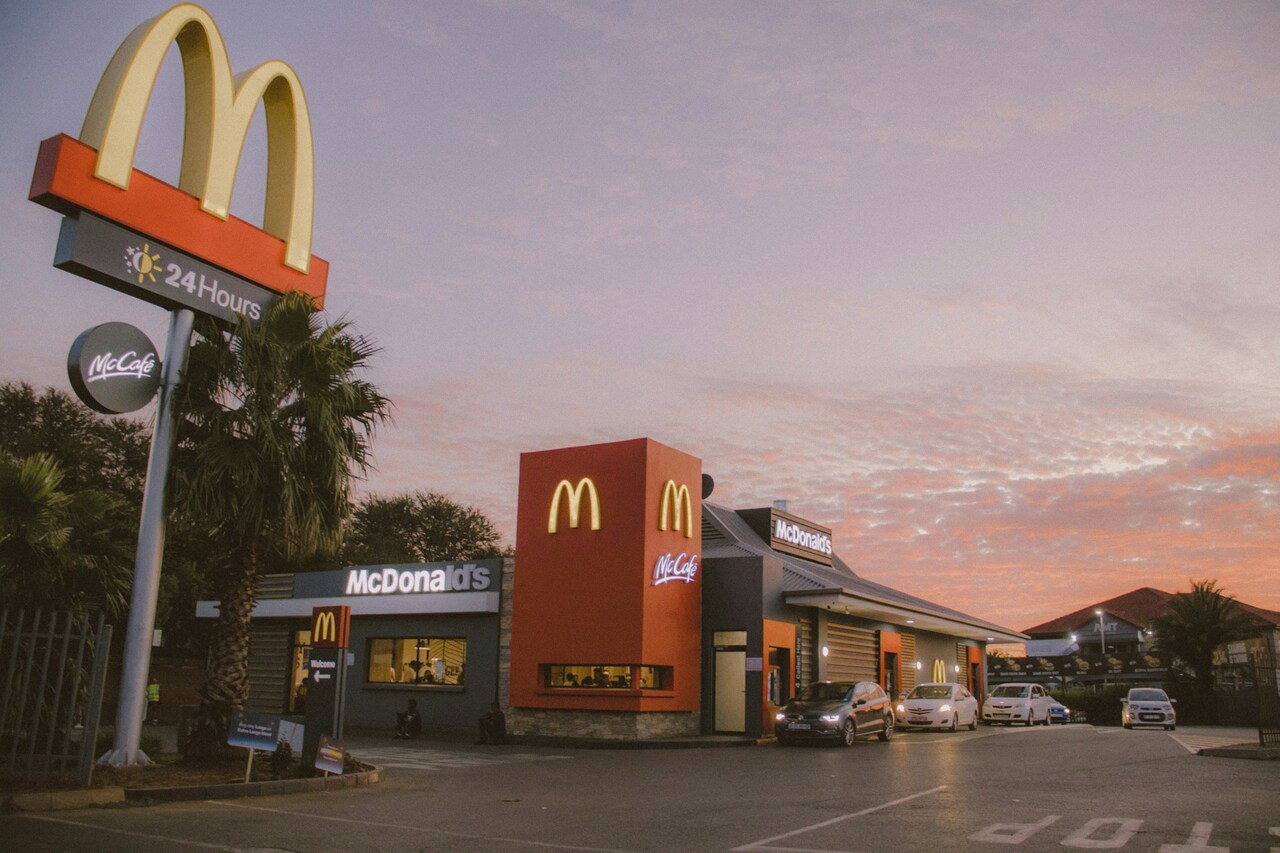
But size and affection are not always the same thing. According to QSR Magazine’s 2026 QSR 50 ranking, McDonald’s remained the largest fast-food chain in the United States by 2025 systemwide sales, while Chick-fil-A ranked No. 3 and continued to post industry-leading average unit volumes. Restaurant Business, citing Technomic’s 2025 Top 500, also placed Whataburger well behind the very largest national players by sales, even though it remains one of the most emotionally resonant brands in Texas.
That is where the Texas story gets interesting. A chain can dominate the conversation without dominating the revenue tables, and Whataburger is the clearest example. Texans often treat it less like a simple quick-service option and more like a home-state institution, which gives it influence far beyond its national rank.
Why chicken chains are challenging the old burger hierarchy
If any category is changing Texas fast food faster than burgers, it is chicken. Chick-fil-A continues to pair strong customer satisfaction with extraordinary store productivity, and QSR’s latest industry report again showed it near the top of the national pack. The American Customer Satisfaction Index study highlighted Chick-fil-A as the most satisfying fast-food brand, reinforcing why it performs so well in markets where speed alone is no longer enough.
Raising Cane’s is another chain worth watching closely in Texas. Its official Texas location directory shows a remarkably broad presence across the state, from major metros to college towns and mid-sized suburban markets. That expansion reflects a wider industry truth: focused menus, fast operations, and clear brand identity are resonating with customers who want consistency and value without decision fatigue.
This is also where a few results may surprise people. In Texas, burger nostalgia remains powerful, yet chicken brands are increasingly setting the standard for hospitality, throughput, and order accuracy. For many families, especially younger consumers, the favorite chain is becoming the one that feels easiest, friendliest, and most reliable, not necessarily the one with the longest local history.
The most surprising part of Texas fast food loyalty
The biggest surprise is not that Texans love Whataburger. It is that the state’s fast food loyalties are now split across different definitions of “favorite.” Some chains win on emotional attachment, some on convenience, and some on measurable performance like sales, traffic, and guest satisfaction. Those categories overlap, but they do not always produce the same winner.
That helps explain why a chain like Whataburger can remain iconic while Chick-fil-A leads satisfaction metrics and McDonald’s still towers over the industry in sales. It also explains why newer enthusiasm around Raising Cane’s, Wingstop, and other chicken-forward brands does not necessarily dethrone older favorites so much as reshape the field around them. Texas is not abandoning its burger roots; it is broadening the shortlist.
In practical terms, Texans appear to reward brands that do three things well: stay visible, deliver consistent value, and create a distinct identity. Homegrown heritage still counts for a lot, but recent industry data suggests it no longer guarantees the top spot in every category. In Texas fast food, pride still matters, but performance matters more than ever.