
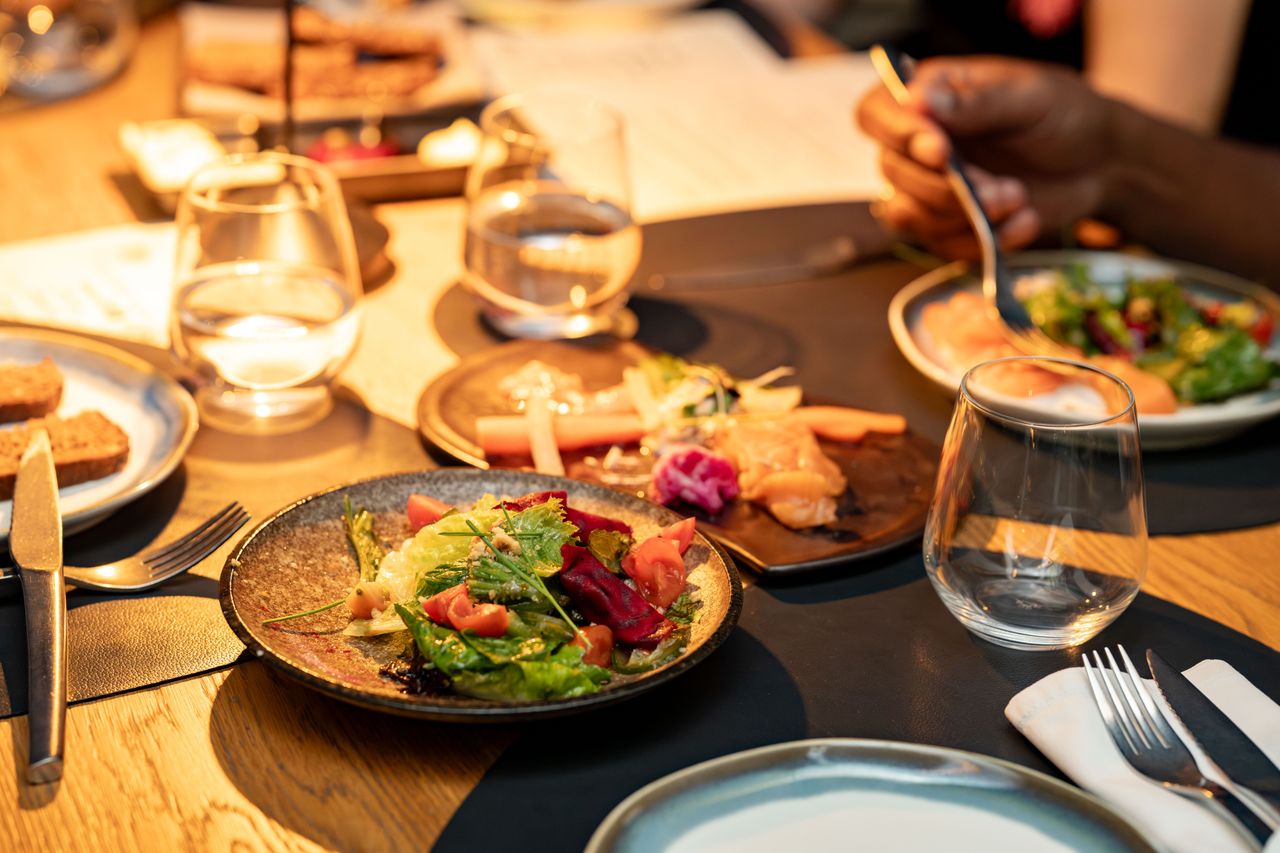
Fine dining discounts are showing up in places that once seemed built around full-price splurges. The change looks less like a gimmick and more like a response to diners who still want a restaurant night out, but are watching the check more closely.
Why more luxury restaurants are offering lower priced menus
Restaurant trade data suggests the pressure starts with the customer. The National Restaurant Association said one third of operators surveyed this summer were not profitable in the first half of the year, even as labor, food, and other operating costs kept rising. The group also said 39% of consumers reported spending less at restaurants in the third quarter than in the second quarter.
That same report found 43% of consumers said it had been somewhat or very difficult to dine at a restaurant during the past six months. Forty percent said they were relying more heavily on discounts and value promotions, up from 35% in the second quarter. Another 36% said they had shifted toward less expensive restaurants.
Those numbers help explain why even high end operators are experimenting with lower entry prices. The pattern has shown up in tasting menu dining, where the bill can climb quickly once service charges and beverages are added. Rather than wait for special occasion diners to return at old spending levels, some restaurants appear to be trying to widen the funnel with a cheaper first visit.
A Wall Street Journal report in April 2025 described this shift as a broader change in fine dining’s approach to tasting menus. The paper pointed to Michelin starred Reverie in Washington, D.C., as one example while reporting that fine dining restaurants in the United States and abroad were rethinking how tasting menus are sold and priced.
Restaurant week programs are giving fine dining a safer way to discount
One reason the discounts look sudden is that city dining promotions now put luxury restaurants in the same value conversation as casual spots. New York City Summer Restaurant Week 2026 ran from July 20 through August 16, and the Michelin Guide highlighted participating Michelin Guide restaurants offering special menus and discounted prices during the event.
New York City’s own program rules also make the value message explicit. The guidelines say a Restaurant Week prix fixe menu should reflect the quality of the restaurant and should reflect a savings from regular prices. The rules also say beverages, taxes, and gratuities are not included, and that the menu must be presented to all patrons during the program dates.
Similar programs have spread the model beyond New York. Chicago Restaurant Week 2026 drew a record breaking 550-plus participating restaurants, according to Choose Chicago, while Los Angeles Tourism said Summer Dine LA Restaurant Week ran from August 14 through August 28 with specially priced prix fixe lunch and dinner menus across the county.
Miami’s version has gone even longer. The Greater Miami Convention & Visitors Bureau said Miami Spice Restaurant Months began August 1, 2026, and originally ran through September 30, before the official visitor site listed an extension through October 31. The program includes $40 brunch and lunch menus, $50 and $65 dinner menus, plus a Miami Spice Reserve tier starting at $95.
What the discounts actually mean for diners at home
For diners, the practical takeaway is that lower priced fine dining often comes with structure. In Los Angeles, the Los Angeles Times reported that Santa Monica restaurant Citrin offered a $99 three course tasting menu during Dine LA, compared with a regularly offered $165 four course menu. That can make a well known dining room more approachable, but the promotion may not mirror the full standard experience.
The same tradeoff applies elsewhere. Restaurant week menus are usually fixed, limited to certain meal periods, and may exclude Saturdays unless a restaurant opts in. New York’s official rules also state that the restaurant week offer cannot be combined with another promotion, which matters for diners expecting stackable deals or special event pricing.
For home cooks, there is also a useful signal in the trend. When expensive restaurants start emphasizing set menus and clearer value, it usually reflects broader concern about food budgets, not just luxury marketing. If a special dinner is on your list, citywide prix fixe events and lower cost tasting options may be the most predictable way to try a high end kitchen without committing to the largest bill on the menu.