
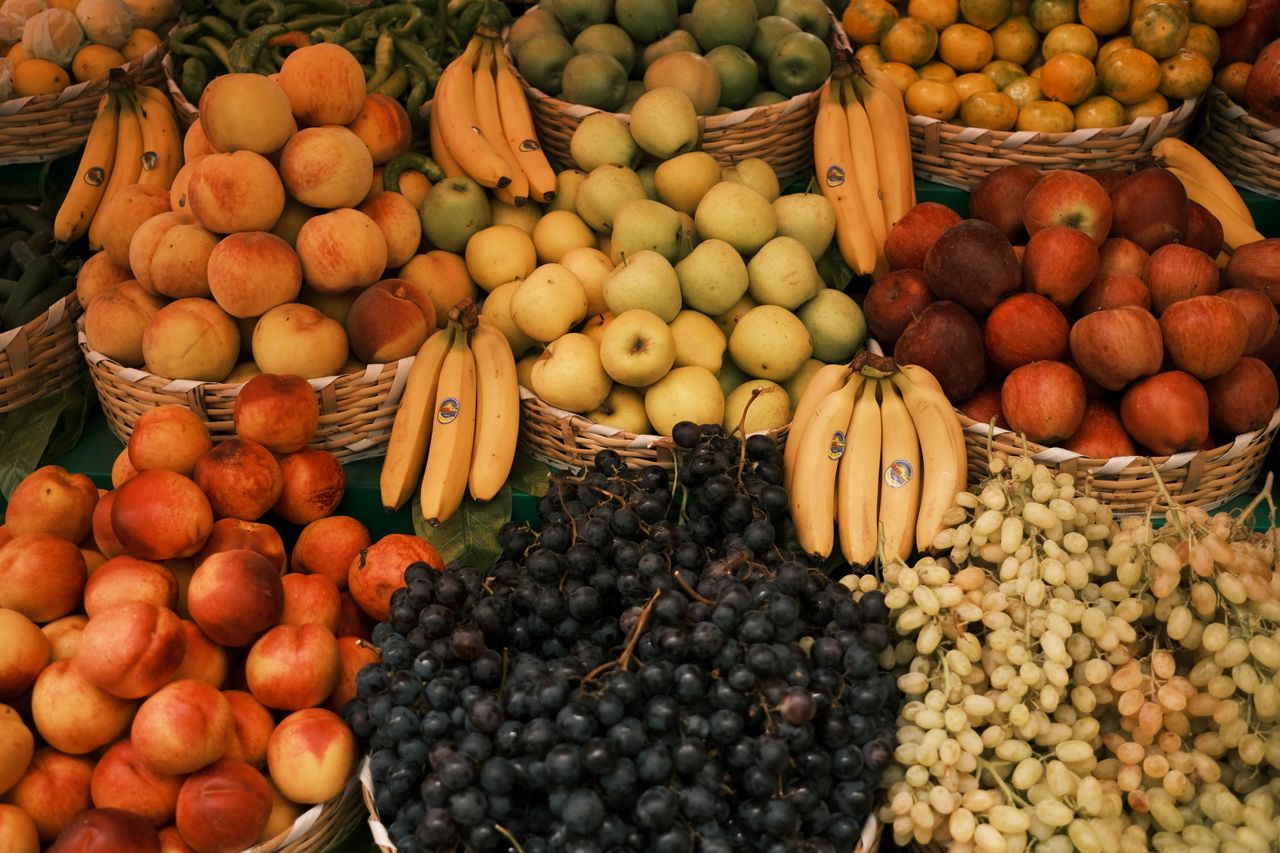
American travelers can bring back many packaged foods, but some popular imports still stop at the border. U.S. Customs and Border Protection, the USDA, and the FDA say the reason is often agricultural protection or food safety law, not taste or brand preference.
Why some imported favorites are turned away
The broad rule is simple: travelers must declare all food, plant, and animal products when entering the United States. CBP says prohibited or restricted items can include meats, fresh fruits and vegetables, plants, seeds, soil, and products made from animal or plant materials. If a traveler declares an item and it is not admissible, it can usually be surrendered at the port of entry. If it is not declared, the item can be confiscated and the traveler can face a civil penalty.
That is why a favorite snack bought overseas can be treated very differently from a sealed candy bar made in a U.S. plant. Federal agencies are looking at pest risks, livestock disease, and product composition. CBP says high risk agricultural pests and foreign animal diseases can threaten crops, livestock, and the wider food supply.
FDA rules can also block products that look harmless at first glance. One well known example is the Kinder Surprise egg. FDA Import Alert 34-02 says confectionery with a non nutritive object embedded inside is considered adulterated under federal law unless a regulation specifically allows it, which is why the classic imported version remains off limits.
Ten examples that commonly trigger restrictions
Some of the most familiar problem items are meat and produce. APHIS says travelers generally cannot bring back most cattle, swine, sheep, or goat meat or meat products from countries affected by certain serious livestock diseases. Fresh fruits and vegetables are another frequent issue, and APHIS says even produce handed out on an airplane or cruise ship must be declared and may be refused.
Here are ten imported favorites that can be barred or restricted at U.S. entry points, depending on origin, ingredients, or disease status:
Fresh mangoes, guavas, citrus, pomegranates, and chestnuts from many regions
Most fresh meat products from countries with relevant livestock disease restrictions
Moon cakes with meat filling
Moon cakes with egg or egg yolk that do not appear thoroughly cooked throughout
Most eggs and many egg products from countries with certain serious poultry diseases
Many milk and dairy items from countries with foot and mouth disease
Soft or pourable dairy products that do not meet the exemption rules
Fresh herbs and other plant materials that require case by case review
Citrus leaves and seeds
Kinder Surprise eggs and similar candy containing embedded non nutritive objects
The dairy point is more nuanced than many travelers expect. APHIS says most milk and dairy items from countries with foot and mouth disease are not allowed, but it lists exceptions, including butter, butter oil, and solid hard or soft cheeses as long as the cheese does not contain meat or pour like a liquid such as ricotta or cottage cheese. It also allows some commercially packaged, labeled, cooked, shelf stable, fully finished foods in unopened packages.
What travelers should check before packing food
Plant items can be even trickier because the answer may depend on the exact species and where it was grown. APHIS says import requirements for plants and plant products vary by the specific commodity and the country of origin. That is why fresh herbs are not automatically banned across the board, but they may be subject to inspection, permit rules, or refusal depending on the product.
APHIS directs travelers to its Agricultural Commodity Import Requirements database for plant specific rules. The agency also says some products are generally admissible, while others need additional review. For home cooks, that means a bunch of fresh rosemary or kaffir lime leaves bought abroad may not get the same treatment as a sealed jar of dried spice.
The safest move is to declare everything and expect inspection. APHIS says travelers who declare all agricultural products will not face penalties even if an inspector decides the item cannot enter. For anyone hoping to stock a pantry with vacation finds, the real surprise is that the border decision often turns on origin, ingredients, and disease status, not whether the food looks shelf ready at checkout.