
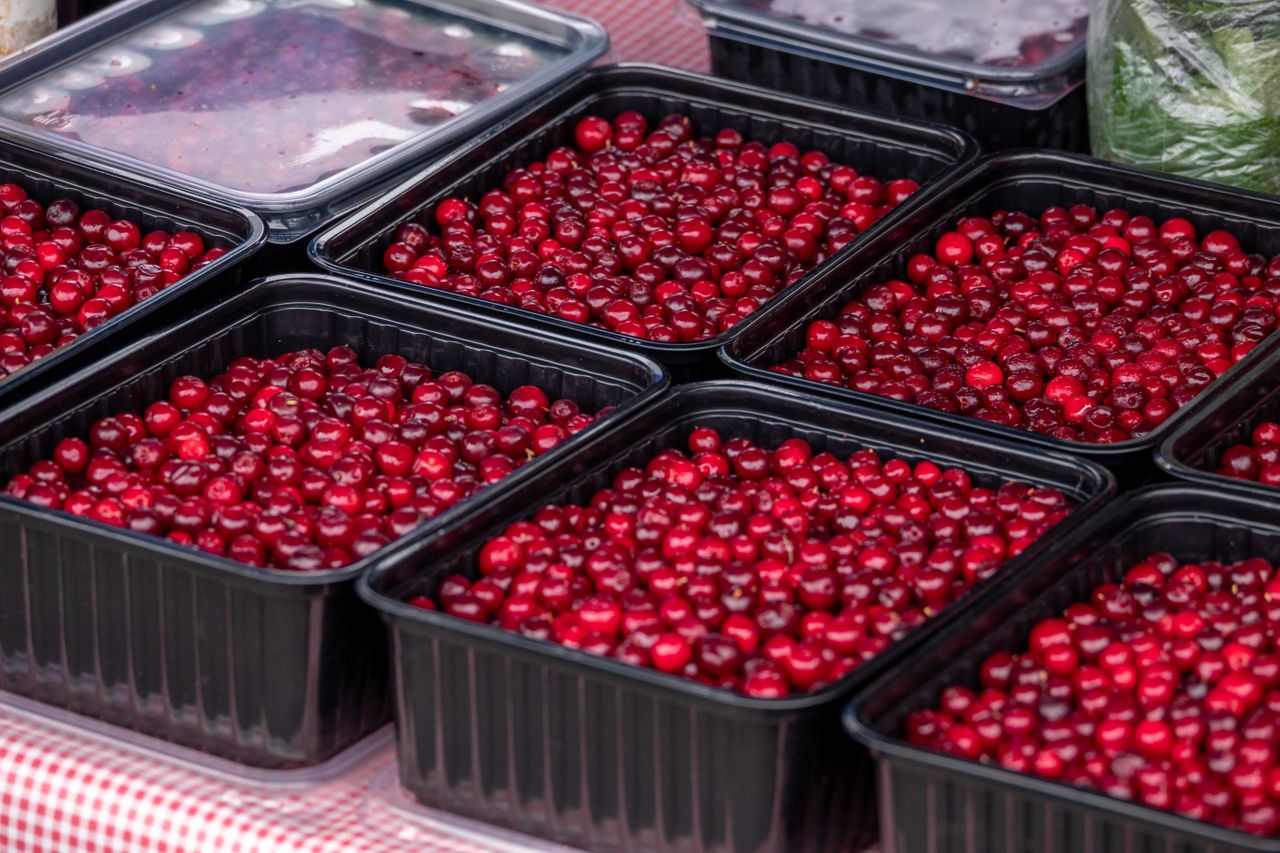
Cranberries are one of those holiday staples people buy quickly and inspect later. That is why a pale spot, wrinkled skin, or dusty-looking patch can suddenly spark a kitchen debate.
What that suspicious look on a cranberry usually means
The most common sign that sends people searching for answers is a cranberry that looks pale, blotchy, or slightly white on the surface. That appearance is not always a warning. UMass Amherst’s cranberry guidance notes that cranberries naturally pass through a white-to-light-blush stage before turning fully red, and Oregon State Extension says some berries in a bag may still appear white to light yellow.
That matters because color alone does not decide whether a cranberry is usable. A light patch can simply be a maturity difference or a harmless surface blemish. University and extension guidance on produce defects generally treats superficial spotting as less concerning when the skin is intact and the flesh underneath remains firm.
The bigger red flags are texture and spread. If the berry is shriveled, soft, leaking, cracked, or showing fuzzy mold growth, that is a different story entirely. Oregon State Extension specifically advises avoiding berries that are shriveled, soft, or marked with brown spots, and USDA food safety guidance warns that moldy fruit should be discarded, along with any pieces directly touching it.
Even industry grading standards reflect that firmness matters. USDA cranberry grade standards allow only limited tolerance for berries that are soft or decayed, which underscores that softness is a quality defect, not a harmless cosmetic quirk.
When to cook them, when to discard them, and how to decide fast
If your cranberries are firm and dry, they are usually fine for cooking, even if a few are lighter in color or cosmetically uneven. Cranberries are routinely cooked into sauce, baked into muffins, or simmered into chutneys, and minor exterior blemishes often disappear once the berries burst in the pan.
The decision changes if the questionable sign involves mold. USDA’s Food Safety and Inspection Service says mold can penetrate soft fruit beyond what is visible, so any moldy berries should go straight into the trash. Berries touching obviously moldy fruit should also be discarded, while the remaining cranberries can be washed and used if they still look sound and are not mushy.
Brown, sunken, or wet-looking areas deserve caution as well. Produce experts generally recommend discarding fruit when a blemish breaks the skin or is paired with softening or discoloration underneath. In practical terms, a dry scar is less concerning than a damp, collapsing patch that suggests breakdown.
A quick kitchen test helps: pour the berries onto a tray and sort them by hand. Keep the ones that are glossy, taut, and springy. Toss anything sticky, split, soft, or musty-smelling, because by that point the question is no longer appearance but quality loss and possible spoilage.
How to store cranberries so this question comes up less often
Fresh cranberries keep longer than many shoppers realize. Ocean Spray says fresh cranberries can be stored in their original plastic bag in the refrigerator for up to a month, and extension guidance from Utah State similarly recommends about four weeks in the crisper.
Storage habits make a noticeable difference. USDA-backed produce handling advice recommends separating spoiled fruit before storage and keeping produce unwashed until you are ready to use it. Excess moisture speeds deterioration, so cranberries last best when they stay cold, relatively dry, and undisturbed.
When it is time to prep them, wash only what you need under cold running water. USDA food safety guidance says fruits and vegetables should not be washed with soap or detergent. Once rinsed, sort again, because washing can reveal hidden splits or soft spots that were easy to miss in the bag.
If you bought more than you need, freeze the extras rather than pushing their fridge life too far. Cranberries freeze exceptionally well and can go straight from freezer to saucepan or batter. In other words, the telltale sign worth paying closest attention to is not a pale patch but a soft, moldy, or broken berry; that is the point where cooking will not rescue it.