
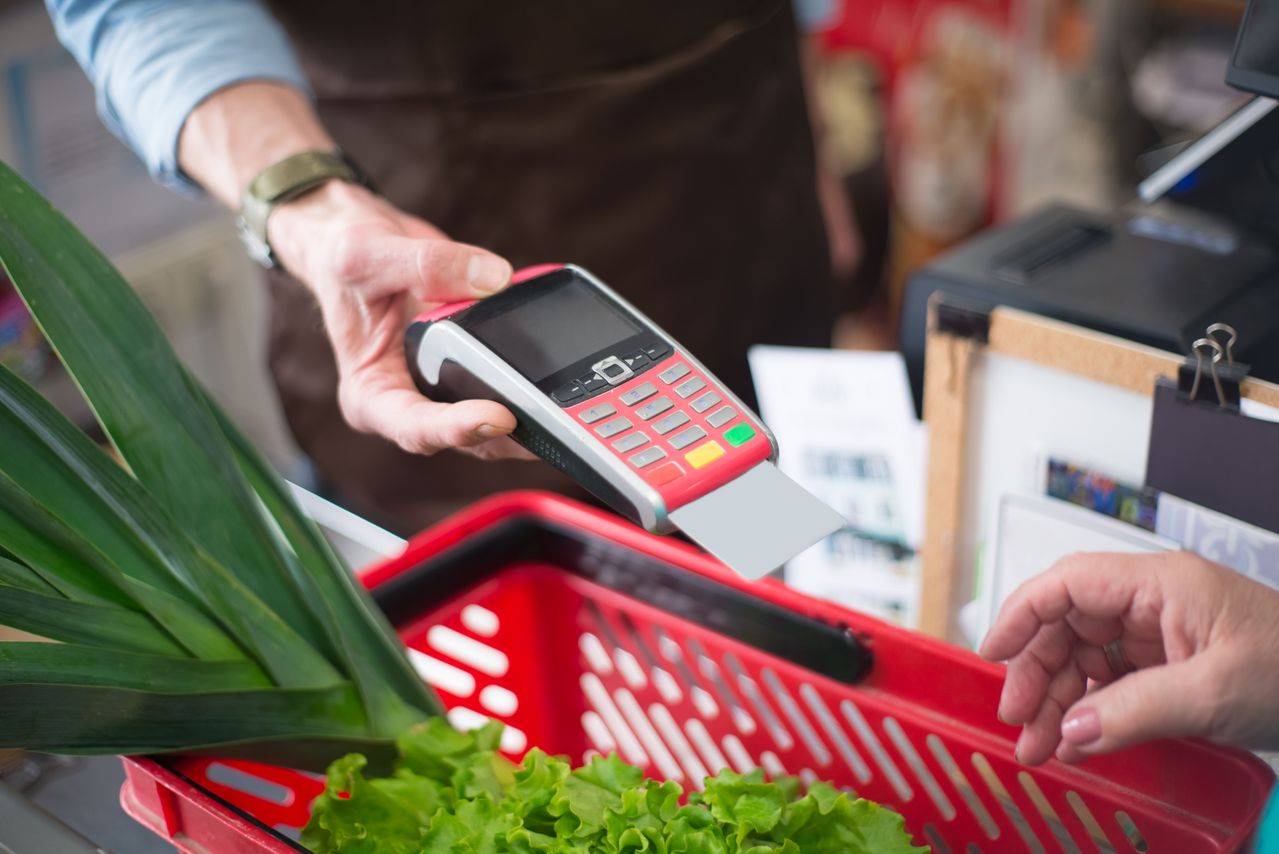
As grocery prices remain a source of pressure for U.S. households, more shoppers are using credit cards to cover food costs and stretch monthly budgets. The shift is showing up not just in checkout habits, but in how consumers use rewards points, buy now pay later plans and revolving debt to manage everyday essentials. The risk is straightforward: using a card for groceries can be manageable if the balance is paid in full, but it becomes far costlier when interest starts accruing.
More grocery spending is landing on credit
USAA Federal Savings Bank said on July 15 that 36% of consumers with credit card rewards are now using those points right away for everyday expenses such as groceries, gas and bills. In the same announcement, the bank said 47% report using pay-with-points features for essential items, and its own cardholders’ reward redemptions rose 47% year over year in 2025, based on aggregated data from more than four million USAA cardholders.
Separate LendingTree research, based on a February 2026 survey of 2,000 U.S. consumers, found that credit cards are already a meaningful grocery payment method. The firm said 27% of Americans use a credit card at grocery checkout, while debit remains the top method at 43%, followed by cash at 15% and EBT at 13%.
That does not mean every shopper carrying groceries on plastic is falling behind. In many households, cards are being used for convenience, fraud protection or rewards. But the growing use of points for food and bills is a sign that groceries are increasingly being treated as a budget-management category rather than a routine cash or debit purchase.
The pressure is showing up in household finances
Federal Reserve data show why this matters. In the Fed’s 2025 Survey of Household Economics and Decisionmaking, published in May 2026, 16% of adults said they did not pay all their bills in full in the prior month. Among people who struggled to pay bills, 23% said they used a credit card that they would pay over time, according to the report.
The same survey found that 28% of adults either missed bills or had difficulty paying them, even if they ultimately paid. That indicates financial strain extends beyond formal delinquency and includes households that are keeping up only by juggling payment timing, reducing other spending or borrowing.
New York Fed data add to that picture. In the first quarter of 2026, total U.S. credit card balances stood at $1.25 trillion, even after a typical seasonal decline from the holiday quarter. The New York Fed said transitions into early credit card delinquency ticked down slightly to 8.6% on an annualized basis, but overall delinquency levels remained elevated enough to keep credit stress in focus for lenders and policymakers.
Why groceries are a risky thing to finance
Food inflation has cooled from its peak, but it has not disappeared. The Bureau of Labor Statistics said food-at-home prices were up 2.7% in June 2026 from a year earlier, while overall food prices rose 3.0%. LendingTree reported that 52% of Americans say they are spending more on food than a year ago, and 49% say affording food is at least somewhat difficult.
The problem is that credit card interest can erase any short-term relief. Bankrate’s national index showed the average APR on new credit card offers was 19.57% on July 15, 2026. If a grocery balance rolls from one month to the next, that interest rate can outpace the value of any cash-back reward or points redemption.
For shoppers trying to avoid that trap, the practical line is simple. Using a rewards card for groceries is very different from financing groceries on a revolving balance. Recent federal and industry data suggest the safer approach is to treat credit as a payment tool, not a borrowing plan, as food costs continue to pressure household budgets.