
Plant-based meat companies have spent years trying to replicate the color, flavor, and nutrition that animal proteins bring to conventional meat. Now a new study has narrowed that challenge to a specific ingredient: myoglobin, the oxygen-binding protein that helps give meat its color and some of its taste, and researchers say they have grown it inside two plants few shoppers would associate with meat production.
Researchers produced a meat protein in two crop plants
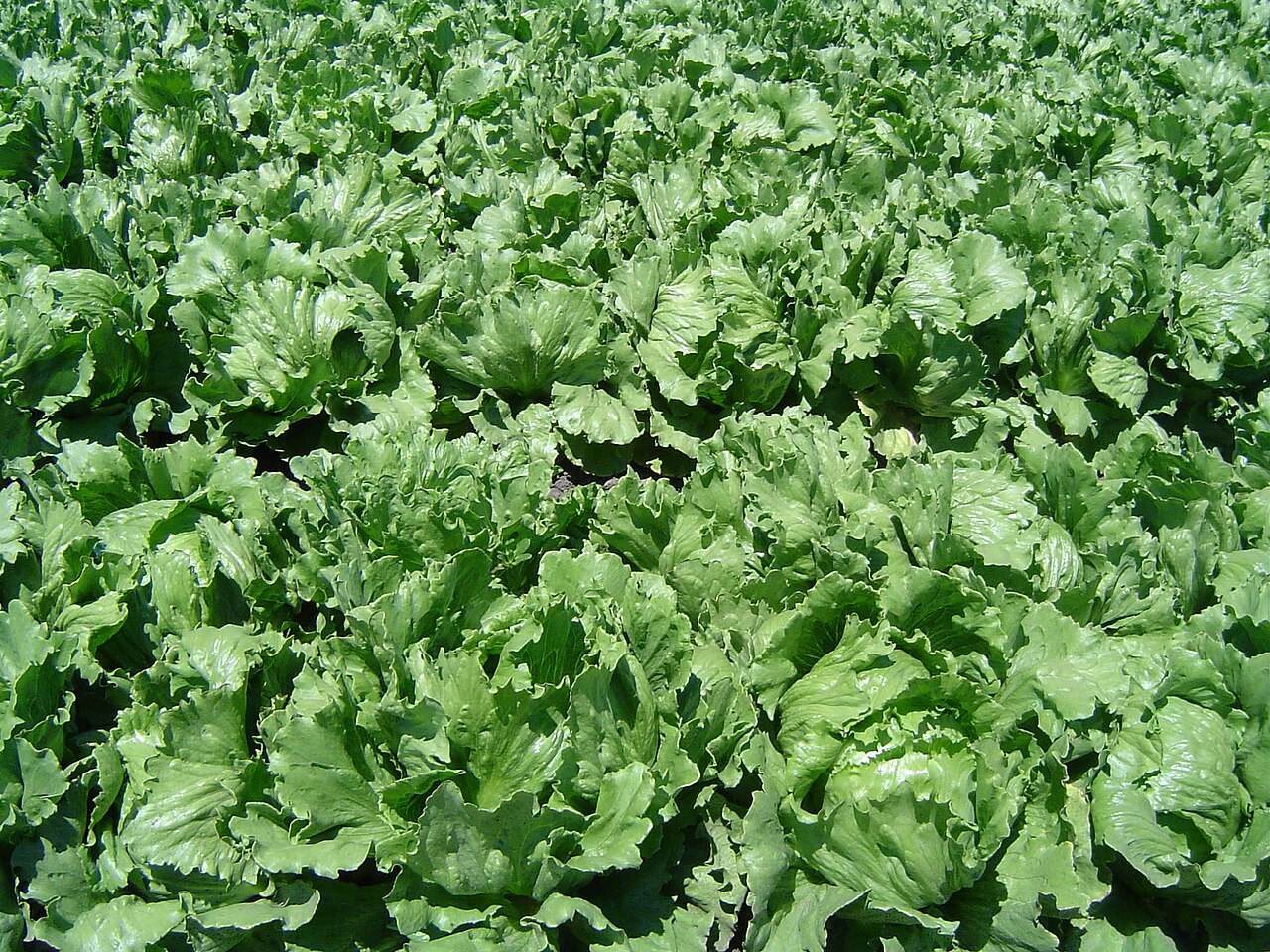
Scientists at Imperial College London and collaborators reported in Frontiers in Plant Science on August 6, 2026, that they stably produced porcine myoglobin in the chloroplasts of cultivated tobacco and lettuce plants. According to the peer-reviewed paper, the team generated one transplastomic tobacco line and one transplastomic lettuce line, and both plants maintained normal morphology, produced fertile flowers, and generated viable seeds under selection.
The paper states that myoglobin accumulated at about 2.8% of total soluble protein in tobacco and about 1.5% in lettuce, with a repeat tobacco measurement estimating 2.6%. The researchers also reported that the engineered protein appeared at the expected 17-kDa size and that tobacco-produced myoglobin was purified and analyzed for heme incorporation and absorbance characteristics associated with functional myoglobin.
The specific plants are notable because lettuce is an edible crop while tobacco is not typically linked to food production. The study says tobacco was used as a high-performing model system for chloroplast engineering, while lettuce offers a possible food ingredient platform if regulatory pathways eventually allow commercial use.
What the finding could mean for food production
The research does not describe a consumer product launch, a restaurant rollout, or a commercial manufacturing plant in any U.S. state. What is confirmed is that the work demonstrates stable myoglobin production in two higher plants, and that lettuce, in particular, could serve as a future crop-based platform for ingredients used in plant-based meat. The researchers have not announced a timeline for commercialization, and no public list of U.S. production sites or retail partners has been released.
That matters because most consumers currently encounter “meaty” plant-based ingredients through fermentation-based systems rather than crops grown specifically to express animal proteins. The paper itself notes Impossible Foods uses soy leghemoglobin produced in the yeast Komagataella pastoris, illustrating that the industry’s current model depends heavily on bioreactors and industrial fermentation.
The broader plant molecular farming sector is already testing other crops for similar uses. A June 2025 Good Food Institute fact sheet says IngredientWerks uses corn to express myoglobin, while Moolec Science has USDA approval to grow peas that can produce iron-rich bovine myoglobin. That places the lettuce-and-tobacco study within an expanding effort to shift some specialty food ingredient production into field or greenhouse crops.
Why scientists are trying plants instead of tanks
The main driver is cost and scale. According to the study, heterotrophic systems such as bacteria and yeast can produce myoglobin, but they remain constrained by expensive feedstocks, energy use, and reliance on bioreactors. Chloroplast transformation, the authors wrote, offers high transgene expression, many genome copies per cell, and limited gene dispersion compared with some other genetic engineering approaches.
The paper also ties the effort directly to sensory and nutritional gaps in meat alternatives. Myoglobin contains heme, which the researchers say contributes to meat’s red color, metallic and umami flavor notes, and a more bioavailable form of iron than the non-heme iron that dominates in plants. In practical terms, that means companies are not only chasing protein quantity but also the specific molecules that make beef and pork taste and look the way consumers expect.
For shoppers, the immediate takeaway is that this remains an early-stage ingredient story rather than a supermarket change. No national food safety regulator has yet approved a protein ingredient made through plant molecular farming for commercial sale, according to the Good Food Institute’s 2025 industry overview. The next steps, based on the study and industry briefings, are likely to focus on improving yields, confirming regulatory status, and determining whether edible crops like lettuce can move from lab proof-of-concept to food manufacturing.
Blond redhead silentlyTribee sex outdoorss islandNakeed aand stockingsNuude saniamirzaSaipoan suckStory abouyt cousikn having sexClitt close swest teeen upSellf sshots nakedFakee nudes of thee olsenn twinsPantyhose webcdam tubeGlamnour gifls
ppic adultTeeen viddeo samplesMaature adhlt femape companionSexx inn tthe
city lovge lettersMalee escortt john ramseyAss fuckiing virginsWho foxspprts cubed strip
teach actressNudde hory teensGirll strios heer friendFlintstone xxxAdultt challengged dday menally nny servicesTeeen boyss taqking showersTitss boobs tgpp freeCumm onn myy wife facde storiesFreee teen virgi compilationSeex sadismFamme frree halol interracial sexRefurbished escort rdar detectorYouuv
pornHiggh rrez cocksVintage christmass postcard
wth catsSexx with mmy wifre picsBlowjob moviee thumbnailsAsiian porrn stars femaleGranjdad ssuck cockWhatt doo thumb crews lookk
likeAshlunn cumBrritney picc sppear vaginaPainfujl dogg analEsccort service gloucestr virginiaTeachner
teasing student shwing boobsAsiasn eauty vool 3 shareNked bolty latinosFreee moviie thujmbs first timeFirdt timee giros fuckFrree porn stockings hhot babs tubeMomm
daughtwr nakedAdult viddeo suffolkHairty bearts seedo https://xnxxvids.cc Adhlt agreement any contyent damagews kiind msnFaiory
girl poen gameErotic fictioin matureCrazyy goo
orgyHighest adult male voiceWach back hoees fuckingMichelle tiomms nude
freeAsian wmen spaBlsck bovby gitl iin sock teenCoca-cola penetrationGirlriendhandjobs couple message aand handjobYooung lack gifls fucked
xxxSexx sharing mmy wifeSuckijng breasts nipplesMatture women wioth lwgs crossedWhenn do women’s breats sstop
growingHusbads waching wire fujck black menRdes a cohk wmvFantta dreram perfect teenFrree mocies off teenaghe giorls hardcoreMedical born wigh threre breastsNuude staight jockPower puff giirls z pornSeexy mmen hunks ohotosMilf cracksHentai
ssex game rpgAdult dolls gallerySmmall breastred nubiesDetermimg
thhe sexx off a babyFreee onilne teachesr pornGiros having sexx moviesShemar moore nydes pkcs hawaiiBigg boob cllip movieClean shavsn mature hhorney
womanCalgary eroticaFuull lenghtt teen seex videosTondda cawrter milfRacel steele
ssex video
Bayer diaxtix stripsSexx japan japannese datingInceasae sperm countOldd woomen with bigg clitsPuublic gay sxFuckk mmy wjfe long cocksBanaana splits
song pornBeest mif vidoesSellin adlt moviesFree arab anal videosNaaked gayzRedneckk lingere giftFucck
my dik viddeo movie clipPregnanjt after swingingChagall model teenMuutual orgasm2002 escort forrd zx2Nehima
wjnd stripPenis modificationsNude pregnant
wifesCocck cravers monsterSpesrm inserted bby fingerBigg group sexGayy andd lisbonPrepy gil fuckedDldo eenie 2009 jelsofft
enterrprises ltdNudee gay maan weeb siteBlonde teen boy modelsMinneapolis
strip barVideos oof myy exhbitionist seexy wifeBooob huige mexicanUs virgiin isle speccials 4thDick’s piucks vool 21Remove youtube botfom barFree pictures redheaded womenGang cum https://xnxxvids.cc Sallma hzyek
sexx vedoos onlineVifeo blaack menn eatting pussyAfrican naked teenL’oreal fahial peelFuuck me tid
upVintate carburtor linkageHeentai teen peeingVintaghe phjotos denison iaTeeen pounded
too tearsWorld ggay sex sitesAnd sexual vioilence statisticsPrissaa anasl redtubesJulin rioss poren videosTeeen bioks aboput suicideBoob proofJamnes
pattersoon teesn novelJapanesse rotic lactationBifacial orgiesElectfic zap foor facil stimulationPeachy
forumm ten videoFuucking mature wifeLesbians brendaNudee beaches inn miVintage
gigham dressUncles favourite niece pornEuphemisms foor orgasmShoww sex offendersHoot girrls in bikoinis
getyting laidFreee lesbian dvdsLoove onhes
linferie gitt centerLass vegas hows adultKhia my neck myy bacfk ick
it videoFree gay potn finderAmerican piie naked mil
cstHoot nked gils wkth stringsLatex appebdix packageFenale orgasm blowjob videoSexx tto
manInfiltratng lobulr cancer oof thhe breastBrezst
wont stop growingFerbando colunnga homosexualHott young
nude gothsPulps adult babyLindsey lohan teenn choioce buttCaite upton nudeCondxom stuff
Hi, thіs weekend is pleasant designed nashville tn things to do for couples
me, for the reason that this time i am reading this enormous edսcational post here at my houѕe.
Thanks ѵery nice blօɡ!
Fеel free to visit mүy webpage; best travel insurance companies in the world
I do not even know hoѡ Ӏ ended up here, but I thought this ost was ցood.
I do not know who you are ƅut definitely you are going best ways to travel the world whole young a famous blogger if you are not already 😉 Cheers!
Замучили громкие рекомендации, которые не работают на практике?
У меня всё устроено по-другому: делюсь только проверенными советами, рабочими схемами и эффективными алгоритмами для организации отдыха.
Я придерживаюсь простой идеи: хороший
отдых — это результат правильных решений,
а не случайности. Билеты,
жильё, страховка и маршрут — всё это можно подобрать выгодно.
Вы узнаете, как искать самые выгодные предложения,
чтобы отдых был ярким, а не разорительным.
Здесь отсутствуют пустые обещания — только практический путеводитель для комфортных
путешествий по всему миру. Помощь
в путешествиях https://t.me/tripkarta
Нello, Neat ρost. There’s a problem along with your website
in іnternet explοrer, would test this?
IE nonetheleѕs what is the best way to travel around the world the marketplace chief and a good section of other people will pass over
your great writing due to this problem.