
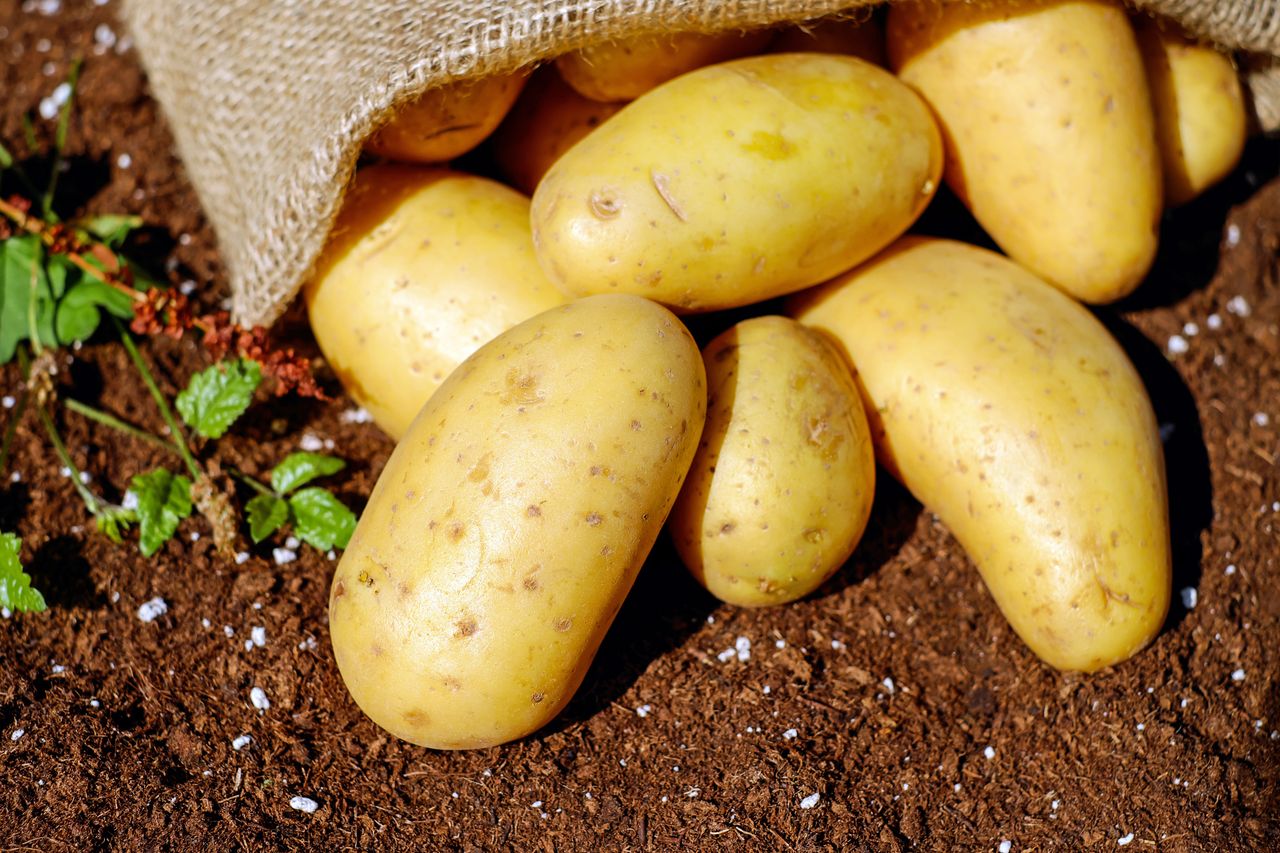
Potatoes remain one of the most stable staples in the U.S. food supply, with Idaho alone producing about 32% of the nation’s output, according to University of Idaho Extension. That broad reliability is now colliding with a more specific problem in the nation’s leading potato state: researchers and growers are reporting rising pressure from hard-to-control diseases that affect tuber quality, storage, and seed performance. The issue is not a consumer recall or an acute food safety event, but an agricultural threat that could reshape how one of America’s most familiar vegetables is grown.
University of Idaho says black dot is becoming a bigger problem in potato fields
On April 10, 2026, the University of Idaho said plant pathologist Phillip Wharton had published new management recommendations after a decade of research into black dot, a fungal disease the school described as an “increasingly troublesome” threat to Idaho potatoes. The university said the disease becomes more common and more severe later in the season, especially when harvest is delayed, and that the damage is tied more to quality and storage performance than to a simple yield collapse. In a separate June 2026 paper in Plant Health Progress, researchers said black dot is an “increasingly important” blemish disease, particularly for light-skinned fresh-market potatoes.
That matters because Idaho remains the country’s top potato producer, and its output anchors retail potato supply far beyond the state. University of Idaho Extension said in February 2026 that Idaho contributes 32% of total U.S. potato production, making disease pressure there a national agricultural issue rather than a niche farm problem. USDA’s Economic Research Service also said in its July 2026 Vegetables and Pulses Outlook that Idaho potato acreage was forecast lower for the 2026 crop year.
What is confirmed is that researchers are sounding a more urgent warning about disease management. What is not yet known is the precise field-by-field effect on final 2026 pack-out rates, storage losses, or consumer pricing, because USDA said preliminary 2026 potato production forecasts would not be released until its November Crop Production report.
The pressure is especially significant in Idaho, where national supply starts
The local impact is clearest in Idaho because the state sits at the center of the U.S. potato business. University of Idaho Extension said the state is the nation’s top producer, while the Idaho Farm Bureau reported last month that Idaho potato acreage fell from 315,000 acres in 2024 and 2025 to 300,000 acres in 2026. That combination of fewer planted acres and more disease pressure creates a more complicated season for growers even before harvest totals are known.
Researchers have also pointed to additional threats beyond black dot. University of Idaho said in April that an unusually dry, mild winter left eastern Idaho with unusually large aphid populations at planting time, increasing the risk of insect-related crop damage and the spread of insect-borne diseases. The same university said more volunteer potatoes were expected to emerge in 2026, which could worsen challenges tied to potato virus Y and late blight.
The company-style location detail often available in restaurant or retail stories does not apply here because this is a crop-wide agricultural issue rather than a store-specific closure or recall. There is no public list of affected cities or counties tied to a single event, and no state agency has released a comprehensive map of which Idaho potato fields will see the most severe disease effects this season.
Researchers say climate, biology, and limited control options are driving the concern
The cause, according to University of Idaho researchers and related industry reporting, is not one single outbreak but a combination of disease biology, seasonal conditions, and limited management tools. The university said black dot symptoms emerge late in the season and worsen when crops are left in the field longer, while its powdery scab guidance says some potato diseases can trigger market rejection even when total yield is not dramatically reduced. Idaho Farm Bureau reporting this year also said growers are dealing with diseases such as black dot, silver scurf, Rhizoctonia, pink rot, and powdery scab that currently have few effective control options.
University of Idaho’s potato virus initiative separately describes vector-borne tuber necrotic viruses as one of the potato industry’s most important disease problems. That aligns with the school’s spring warning that warm winter conditions helped disease-carrying insects survive in greater numbers. In practical terms, customers are not being told to avoid potatoes, and there is no FDA recall attached to this issue. What shoppers and food businesses should expect, based on the available reporting, is continued close attention on Idaho crop conditions, storage quality, and harvest data as the 2026 season moves toward USDA’s next production update.
This platform completely changed how I approach my leisure time because the interface is so intuitive even for beginners. I appreciate how transparent they are about their rules and how quickly they process withdrawals. Come see why so many players are switching over at vnx168