
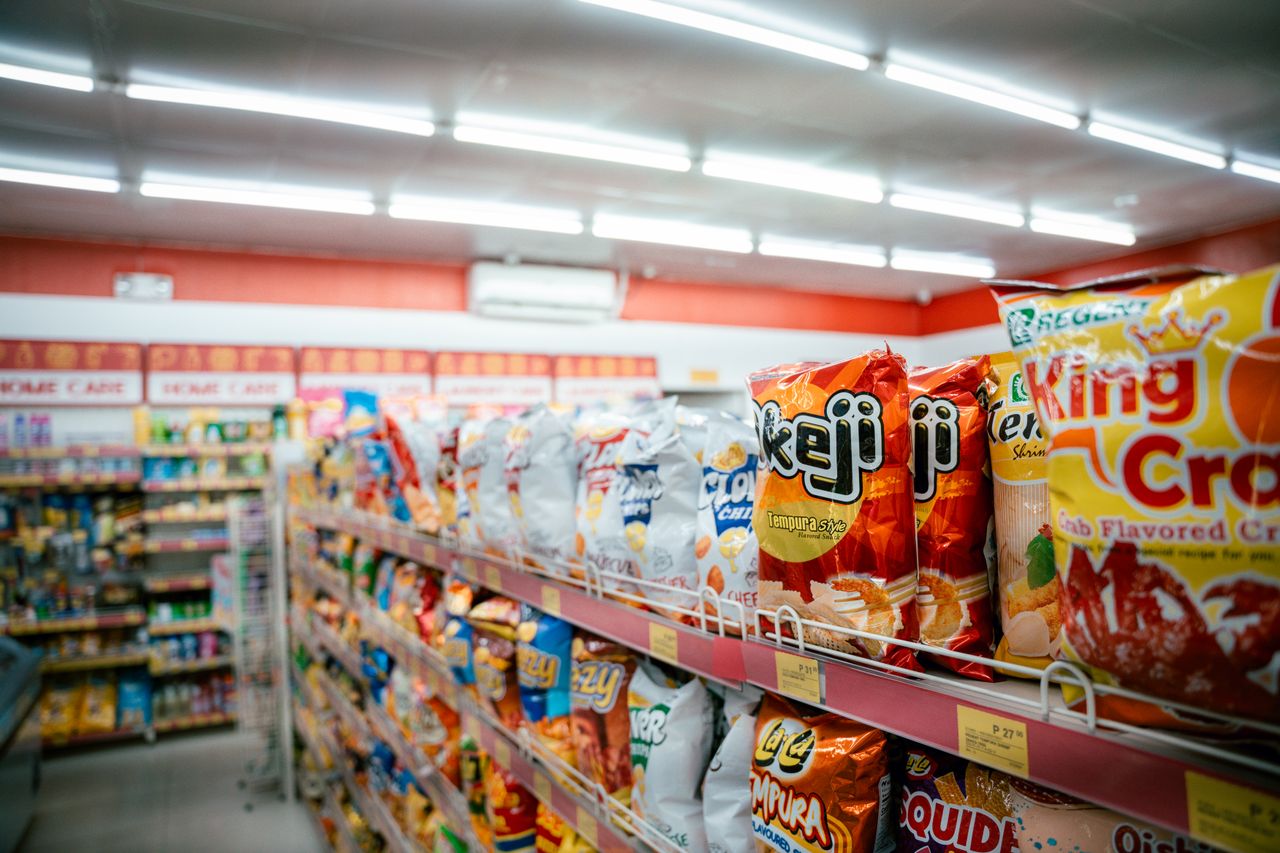
Shrinkflation remains a national grocery story as brands look for ways to manage higher costs without posting larger sticker prices on store shelves. In that broader trend, the snack aisle stands out most clearly, with chips, crackers, and pretzels repeatedly cited as products where package size reductions are easiest for shoppers to miss.
Federal data and consumer reporting both point to snacks
The clearest published federal context comes from the U.S. Bureau of Labor Statistics, which said in a February 2023 “Beyond the Numbers” analysis that downsizing is common across food and household products, including potato chips, cereal, paper towels, and candy. In the same analysis, BLS included a table showing a 2.6% size reduction in snacks, offering one of the more direct government examples of shrinkflation in a named grocery category.
That federal analysis aligns with what consumer advocates have documented for years in stores. Consumer Reports said package downsizing has affected tortilla chips, paper towels, and other staples, and specifically described a snack product whose bag size was reduced from 16 ounces to 12.5 ounces while the shelf presentation remained similar. The publication also noted that air-filled chip bags can make quantity changes harder to spot at a glance.
The reference material provided for this article reaches the same conclusion from a shopper perspective, identifying the snack aisle as the “epicenter” for aggressive package shrinkage. While that description is not a federal designation, it matches the broader pattern in published reporting: salty snacks are among the easiest packaged foods for manufacturers to resize without dramatically changing the look of the bag.
What shoppers can confirm in stores, and what is harder to measure
For customers, the practical effect is straightforward: a familiar bag or box may carry fewer ounces even when the sticker price looks unchanged. That is especially noticeable with potato chips, tortilla chips, pretzels, and crackers, where packaging often remains large relative to the product inside. Consumer Reports and other consumer-focused coverage have repeatedly advised shoppers to rely on unit pricing rather than bag shape or brand familiarity.
What is confirmed nationally is the pattern, not a single coast-to-coast list of every downsized product. Neither BLS nor the reference reporting provides a comprehensive, current database of every snack item that has been reduced in size at every supermarket chain. That means shoppers may see different examples depending on retailer, region, or brand timing.
The evidence is still strong enough to shape buying habits. Shelf labels that show cost per ounce remain the clearest tool for comparison, particularly when package redesigns make boxes taller, narrower, or otherwise visually similar to older versions. In categories like cereal and deli meats, that strategy also helps, but snacks remain the aisle where consumers most commonly notice the mismatch between package appearance and actual quantity.
Why companies do it, and what it means at checkout
BLS defines shrinkflation as a size reduction that occurs while the listed price stays the same, a change that its inflation measures are designed to capture. The reason companies use that tactic is also straightforward: keeping the shelf price steady can be less conspicuous than announcing a direct increase, especially in categories with strong brand loyalty and frequent repeat purchases.
Consumer Reports attributed many downsizing moves to rising production and input costs, citing manufacturer explanations tied to cost pressure. The supplied reference article similarly says manufacturers are reducing net weight or volume to offset higher costs without making a visible shelf-tag jump. Those explanations fit the broader inflation environment BLS has continued to track, with overall consumer prices still rising on a year-over-year basis in 2026.
For shoppers, the main takeaway is not that every snack product has shrunk, but that this aisle warrants closer label reading than most. Customers should expect ounce counts and unit-price labels to matter more than package dimensions, especially for chips, pretzels, crackers, and similar boxed or bagged foods. Federal data show shrinkflation is measurable, and consumer reporting suggests the snack aisle remains one of the clearest places to see it in practice.
Interesting article. Well-made 18+ video sites definitely
stand out today
Also visit my web site – https://hentai0day.com/videos/27112/step-mom-step-son-fucking-while-her-husband-resting-uncensored-hentai-subtitled/
اگر بخوام تحلیلی نگاه کنم، مهمترین چیز در چنین سایتهایی شفافیت، نظم اطلاعات و قابل فهم بودن محتواست.
درود، من معمولاً اهل کامنت گذاشتن نیستم.
چند روز پیش وقتی داشتم درباره سایتهای شرطی سرچ میکردم با این وبسایت آشنا
شدم. در نگاه اول به نظرم نسبتاً
مرتب بود. به نظرم نباید فقط به ظاهر
سایت اعتماد کرد. یکی از همکارام قبلاً درباره بازی انفجار زیاد سوال میپرسید.
همین موضوع باعث شد فقط سطحی رد نشم.
برداشت من این بود که توضیحاتشخیلی پیچیده نوشته نشده بود.
ولی خب در چنین موضوعاتی
احتیاط از همه چیز مهمتره.
برای کسایی که دنبال اطلاعات درباره شرط بندی هستن، میتونه نقطه شروع بدی نباشه.
در کنار این موضوع برندهایی مثل وبسایت enfejaronline و ѕib-bet باعث شدن کاربرا بیشتر دنبال مقایسه باشن.
یکی از بچهها که اسمش امیر بود، میگفت مشکل خیلی از سایتها اینه که فقط شعار میدن ولی توضیح درست نمیدن؛ برای همین من هم بیشتر به متنها دقت کردم.
جمعبندی من اینهکه ارزش وقت گذاشتن داشت.
من پیشنهاد میکنم با دقت همه بخشها رو ببینه.
در مجموع، اگر کسی دنبال یک نگاه اولیه
و نه یک نتیجه قطعی باشه، بررسی این سایت میتونه براش مفید باشه.
Have a look at my blog: 🌍 Geographic Risk Categorization
Very true. A simple interface goes a long way on 18+ video sites
My web site: https://thetranny.com/trends/trinity-taylor-ts-escort/