
Holiday meals can feel predictable fast. Mexican festive cooking offers a richer, more layered idea of celebration: soulful stews, ceremonial corn dishes, jewel-toned salads, and desserts that turn simple pantry staples into occasion food.
The savory centerpieces that define the season
In Mexico, the holiday table is rarely built around just one showpiece. Government cultural and consumer agencies regularly identify bacalao a la vizcaína, romeritos, tamales, ponche, and ensalada de Nochebuena among the dishes most associated with Christmas and New Year’s gatherings, especially around posadas, Nochebuena, and Año Nuevo. That matters because these foods are not random favorites; they are part of a repeat annual ritual that signals family, feast days, and the closing of the year.
Start with bacalao a la vizcaína, the salt cod stew that became fully naturalized in Mexican holiday cooking. Mexico’s agriculture authorities have noted that while cod comes from northern cold waters, the Mexican version is built with local ingredients and a distinctly national identity. Briny fish, tomatoes, olives, capers, potatoes, and chiles create a dish that tastes celebratory without feeling heavy, which is one reason it remains a December mainstay.
Then there are romeritos, one of the most unmistakable seasonal dishes. Mexico’s agriculture ministry describes romeritos as a traditional December food in the center of the country, usually served with mole, nopales, potatoes, and tortitas de camarón. Despite the rosemary-like name, romeritos are a native edible green from the quelite family, and that connection to pre-Hispanic foodways gives the dish unusual depth on a modern holiday table.
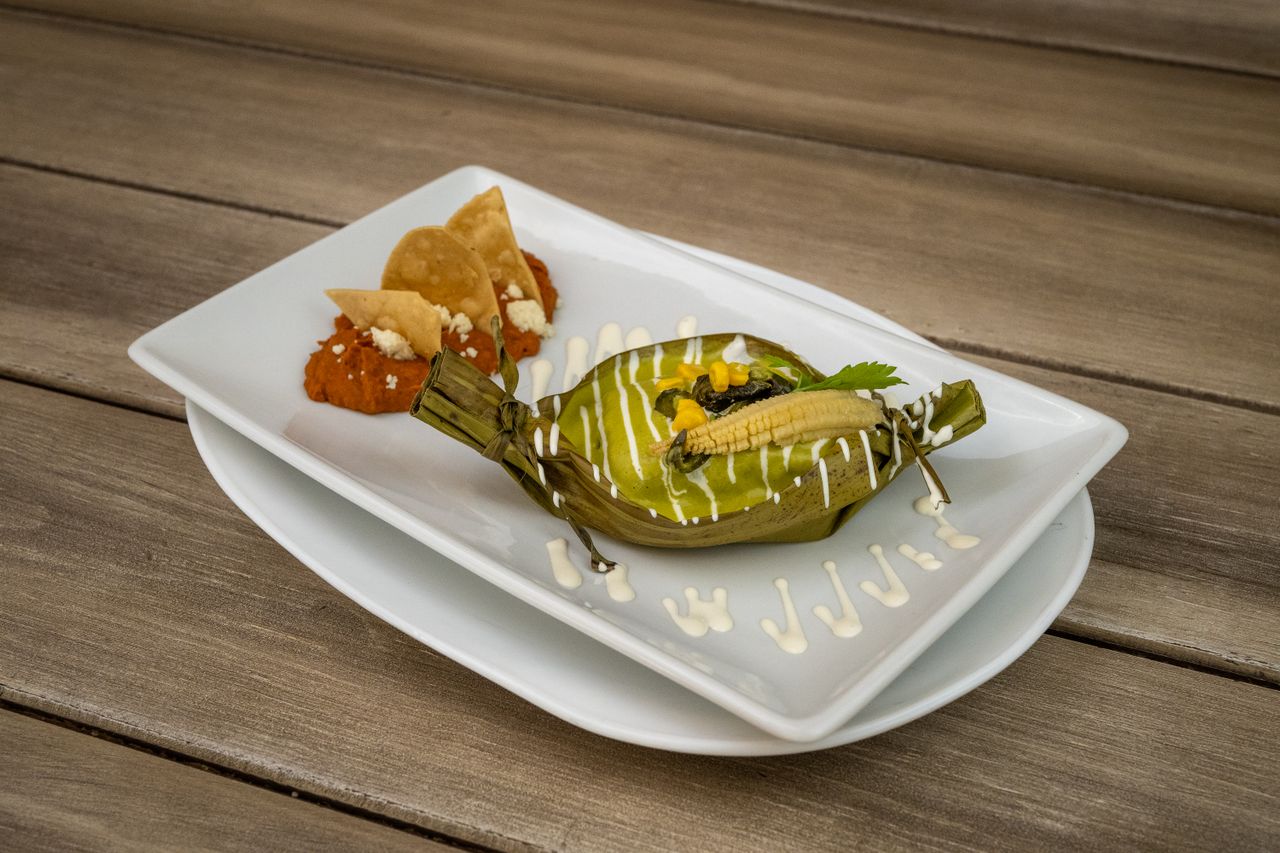
No list is complete without tamales, which carry both ceremonial and practical appeal. They feed a crowd, travel well, and turn communal labor into part of the celebration. From savory fillings to sweet versions, tamales bridge Christmas, New Year’s, and even Día de la Candelaria, making them one of the most enduring festive foods in Mexican culinary life.
The dishes that bring color, warmth, and contrast
A great holiday spread needs relief from all that richness, and Mexican cooking handles that expertly. Ensalada de Nochebuena brings brightness through beets, lettuce, citrus, jícama, and fruit, with older documented versions including ingredients such as peanuts, sugar syrup, and seasonal produce. Historical work published through INAH traces the salad as a long-standing Christmas and New Year preparation, reminding us that festive food in Mexico is not only about roasts and stews but also color, texture, and visual abundance.
If there is one drink that immediately evokes a December kitchen, it is ponche navideño. Traditional accounts from Mexican cultural institutions describe hot fruit punch made with tejocote, guava, sugar cane, tamarind, prunes, cinnamon, and sometimes hibiscus, often served steaming during posadas and late-night gatherings. It is fragrant, economical, and theatrical, the kind of beverage that perfumes the whole house before guests even sit down.
For those who want another deeply comforting savory option, pozole deserves a place. While it is not as universally codified as bacalao for Christmas Eve, cultural references tie pozole to major celebrations and communal feasting across the calendar, and some traditional Christmas meal accounts include it directly. Its broth, hominy, and garnishes create a dish that feels generous and restorative, especially useful if your holiday table stretches from afternoon visitors to midnight plates.
Another smart addition is pierna adobada or roast pork leg, a dish repeatedly mentioned in official holiday-food materials alongside the better-known classics. It satisfies guests who expect a carved centerpiece while still fitting comfortably into Mexico’s broader December repertoire.
The sweets that make the meal feel unmistakably festive
Holiday meals are remembered by their finish, and Mexican desserts excel at turning pantry ingredients into ritual. Buñuelos are the clearest example: crisp fried rounds or shards dusted with sugar or bathed in piloncillo syrup. Mexican cultural sources list them among the season’s essential foods, and their appeal is obvious. They deliver contrast after saucy mains, and their crackle, sweetness, and warm spice make them feel celebratory in the most immediate way.
A second dessert worth saving room for is capirotada, the bread pudding that layers toasted bread with syrup, dried fruit, nuts, and cheese in many regional versions. It is more often associated with Lent in the national imagination, but in practical holiday cooking it still works beautifully because it is thrifty, deeply flavored, and ideal for feeding a crowd. It also speaks to one of the great strengths of Mexican festive cuisine: elevating humble staples into memory-rich dishes.
To round out the list, consider atole or champurrado as a final course rather than just a beverage. Profeco’s holiday materials place atole in the orbit of seasonal sweets and tamales for good reason. Thick, corn-based, and soothing, it gives the table a closing note of warmth. Altogether, these nine dishes do more than fill plates; they tell the story of a holiday tradition shaped by Indigenous ingredients, Catholic calendars, and generations of home cooks who understand that celebration should taste abundant, comforting, and alive.
The helpful details throughout the post made it worth reading carefully. I hope you continue adding posts with this level of care and detail.