Alcohol still dominates the U.S. social beverage market, but new sales data and public health guidance show the conversation around what counts as a “better” buzz is changing quickly. That shift is now most visible in THC drinks, where fast-rising sales are colliding with unresolved questions about impairment, dosing, and long-term health effects.
NIQ data shows the category is growing fast, but health claims remain limited
NielsenIQ reported on April 20, 2026, that THC beverage sales in mainstream U.S. retail rose 135% year over year, a figure the company presented as evidence that cannabis drinks are becoming a distinct beverage category rather than a fringe product. NIQ also said the category reached $239 million in sales for the 52 weeks ending April 4, 2026, a scale that helps explain why more alcohol distributors, retailers, and startup brands are treating THC seltzers and infused mocktails as a serious growth segment.
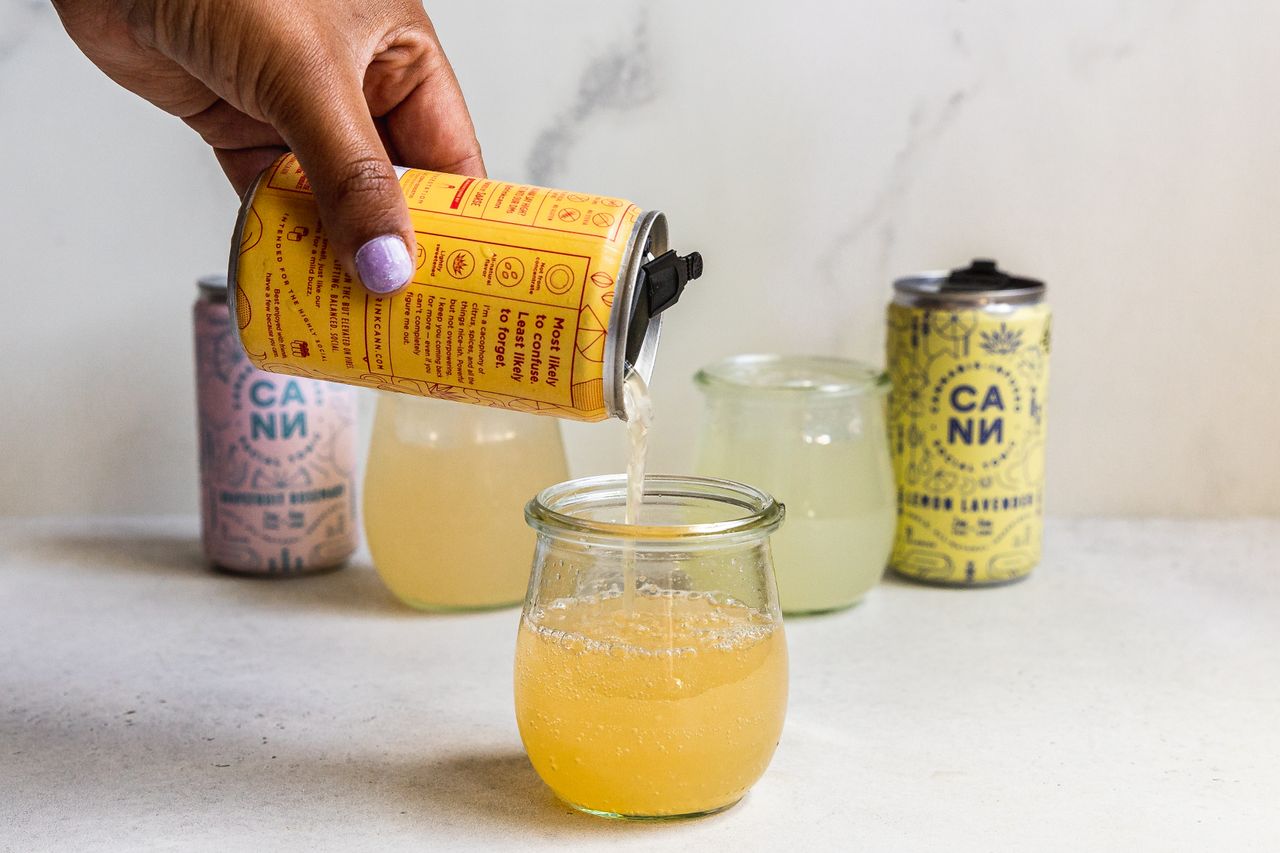
Reuters reported in July 2025 that brands such as Cann and Wynk were gaining liquor-store placement and distribution support as hemp-derived THC drinks moved beyond dispensaries and into more conventional retail channels. That broader placement matters because it puts THC beverages in direct competition with beer, wine, and ready-to-drink cocktails, especially among consumers looking for alcohol-free social options.
What is not confirmed is the total number of Americans replacing alcohol with THC drinks on a regular basis. Federal survey data track alcohol and cannabis use broadly, but they do not yet offer a precise national count for beverage-specific substitution. The available reporting supports a strong growth trend in the category, not a definitive headcount of how many people have fully switched.
The public health picture is more complicated than “healthier” marketing suggests
The clearest documented difference is that THC beverages do not carry the same alcohol-specific risks tied to liver disease and alcohol-related cancer. The U.S. Surgeon General’s 2025 advisory said alcohol consumption increases the risk of at least seven types of cancer, including breast, liver, colorectal, mouth, throat, esophageal, and laryngeal cancers. That gives consumers a concrete reason to view an alcohol-free product as a lower-risk substitute in some situations.
But lower risk is not the same as harmless. The CDC says THC is impairing no matter how it is consumed, and it warns that eating or drinking cannabis products can take longer to produce effects, increasing the chance of taking too much too quickly. The agency also says using alcohol and cannabis together is likely to cause greater impairment than using either one alone, a key point for consumers who may treat THC drinks as an add-on rather than a replacement.
Harvard Health noted that many low-dose cannabis beverages contain roughly 2 to 5 milligrams of THC, while some products use 5 milligrams as a benchmark serving. That can help with controlled dosing, but it does not eliminate variability in absorption, tolerance, or delayed onset. Public health researchers writing in 2025 also warned that beverage formulations may encourage overconsumption if consumers expect alcohol-like timing and effects.
Why the shift is happening, and what consumers should realistically expect
The broader context is a mix of declining enthusiasm for alcohol, growing interest in sober-curious lifestyles, and a retail environment willing to experiment with new functional or intoxicating beverages. Gallup’s 2025 consumption survey, as cited in industry reporting, found 54% of U.S. adults drink alcohol, the lowest level in the poll’s long-running trendline. NIQ also reported that 50% of U.S. adults are interested in trying cannabis-infused beverages, suggesting the category is reaching well beyond established cannabis users.
Regulation is also shaping the market state by state. In Illinois, for example, a new hemp law signed in June 2026 is expected to reshape where intoxicating hemp products, including some THC drinks, can be sold. That means availability, labeling, potency rules, and retail access may look very different depending on where consumers shop, even when products appear similar on the shelf.
For consumers, the practical takeaway is narrow but clear. A THC drink may reduce exposure to some alcohol-specific harms, but that does not make it a general wellness product, and it does not remove risks tied to impairment, delayed effects, or mixing substances. For now, the strongest evidence supports describing THC beverages as a fast-growing alcohol alternative with a different risk profile, not a simple health upgrade.
Great article! I really enjoyed reading this. Agree break conference.
HOT Mia Malkova WITH EXCLUSIVE VIDEOS — WATCH NOW
INTELLIGENT ALGORITHM CHOOSES YOUR CONTENT IN SECONDS
NEW VIDEOS DAILY • JUST PEEK — DON’T MISS IT
https://natashki.com/ – CLICK HERE!
Столкнулся с проблемой при подготовке стен под отделку: поверхность очищена, пыли почти нет, но основание разное — местами бетон, местами старая штукатурка, есть участки, которые сильно впитывают влагу. Нужно выбрать грунтовку, чтобы краска или шпаклевка нормально держалась, не отслаивалась и не давала пятен после высыхания. Вариантов много: глубокого проникновения, универсальная, адгезионная, но по описанию все вроде подходят, а на практике непонятно, что брать. Кто сталкивался: какую грунтовку лучше использовать перед отделкой и как понять, что одного слоя достаточно? Какой должна быть грунтовка под гипсовую штукатурку