
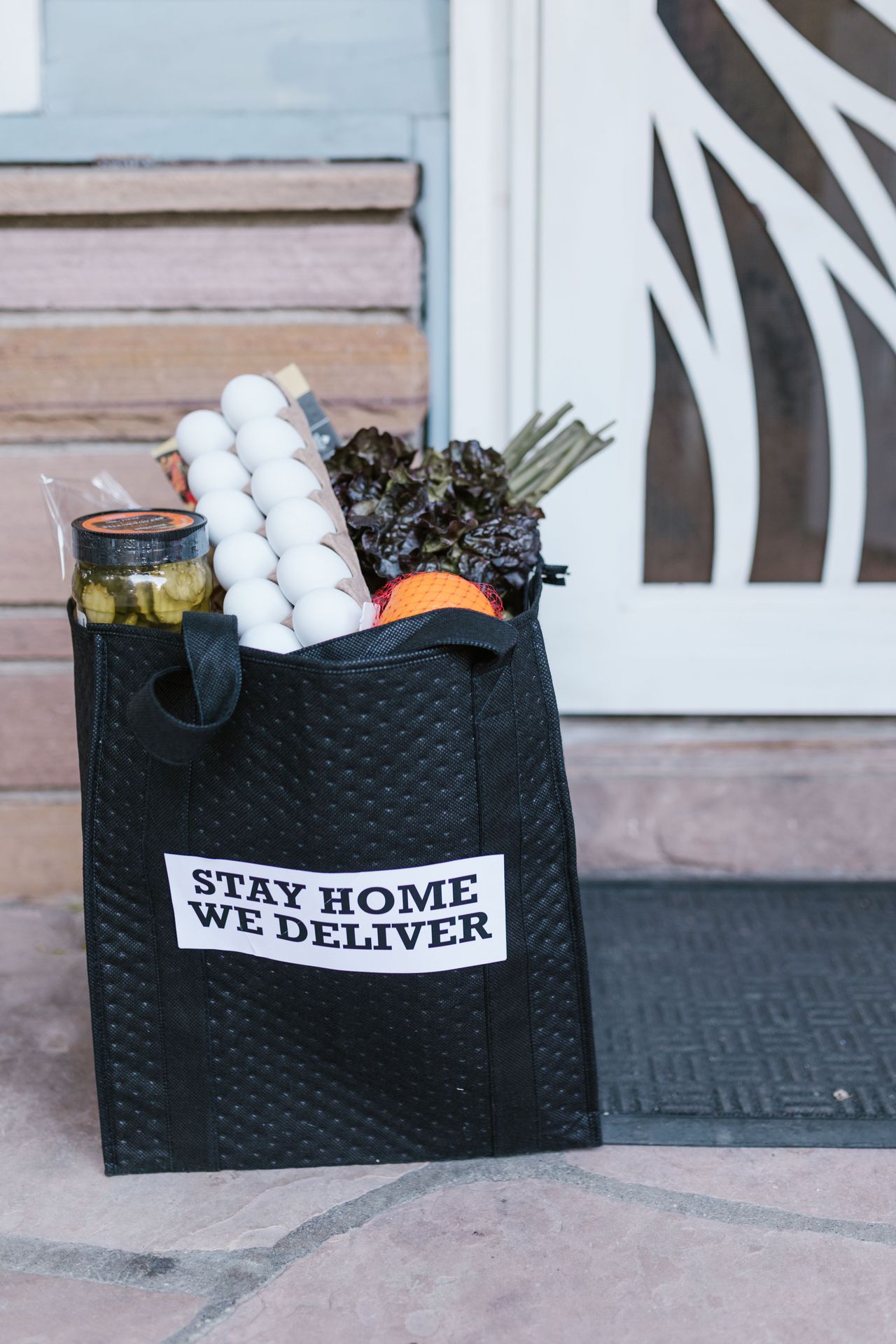
It starts as a convenience and quickly becomes a habit. Once groceries can arrive in 30 minutes, the weekly store run begins to feel strangely optional.
That shift is exactly why local grocers are paying close attention. The promise of speed is changing what shoppers expect, how stores operate, and who gets to control the customer relationship.
The moment convenience stopped feeling like a perk
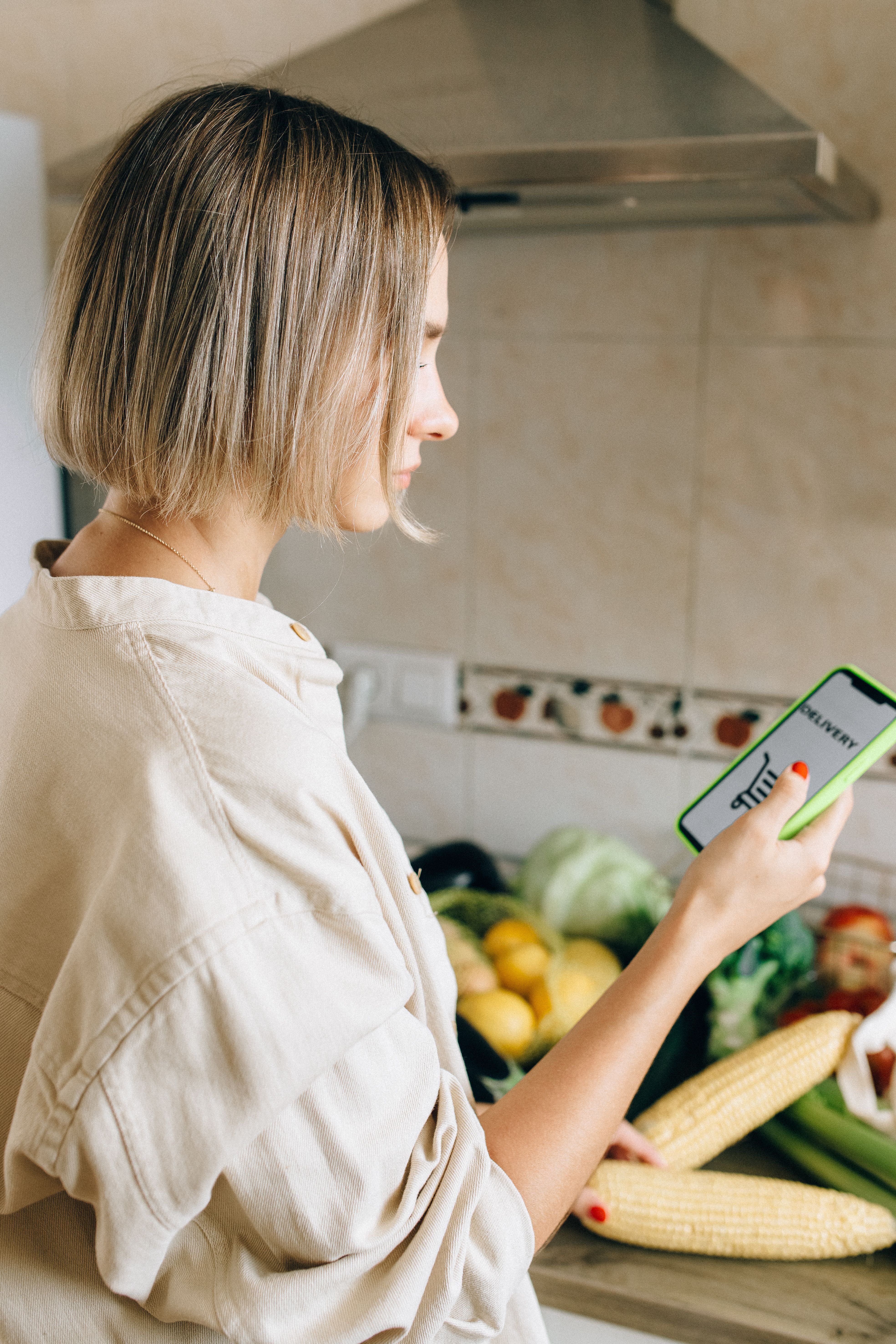
My switch to 30-minute grocery delivery began with the usual logic: a forgotten carton of milk, produce for dinner, a last-minute snack run that I did not want to make myself. What surprised me was not the speed alone, but how quickly the service changed my sense of what counts as normal. After a few orders, waiting until tomorrow felt slow. Driving to the store for five items felt inefficient.
That psychological reset matters. NielsenIQ and FMI said this year that grocery shopping is no longer a simple choice between store and screen, with nearly 94% of grocery shoppers in 2025 using both online and in-store channels. Average delivery times have also fallen sharply since 2018, helping make same-day service feel less like a premium add-on and more like a baseline expectation.
The consumer appeal is obvious. Fast delivery removes friction, reduces impulse trips, and turns grocery shopping into an on-demand service closer to ride-hailing than traditional retail. When shoppers can solve tonight’s dinner problem from a couch, convenience stops being a differentiator and becomes the product itself.
For local stores, that creates a new kind of pressure. A neighborhood grocer may still offer better produce, familiar staff, or regional brands, but those strengths compete with a simpler promise: groceries now, not later. In retail, speed has always mattered. The difference is that digital platforms have turned it into a visible, measurable promise consumers can compare in real time.
Why local grocers see both opportunity and danger

The 30-minute model not only threatens local stores; it also tempts them. DoorDash said it became the leading third-party marketplace in U.S. grocery and retail order volume in 2025, and it added dozens of new grocery partners in 2025 and early 2026, including regional and local chains. Instacart, meanwhile, said it works with more than 2,200 retail banners across nearly 100,000 stores, showing how deeply delivery platforms are now embedded in food retail.
That scale offers independent and regional grocers real upside. Joining a major delivery app can instantly expand reach, especially in dense suburbs and cities where shoppers browse by app rather than by neighborhood. A smaller chain that once depended on passing traffic can suddenly appear beside national names in a digital storefront. For stores without the budget to build their own logistics network, that is hard to ignore.
But the dependency risk is just as real. The platform often owns the app, the search results, the promotions, and increasingly the advertising layer that determines which products and stores get seen first. Instacart’s business now spans marketplace delivery, enterprise software, in-store technology, AI tools, and ads. That means many grocers are not just outsourcing delivery; they are outsourcing a growing share of customer access.
Local stores worry because the relationship can quietly invert. What begins as a service partnership can end with the platform becoming the primary brand customers interact with. If shoppers remember the app but not the store, the grocer still fills the basket but loses long-term leverage.
The margin problem behind every fast order

The central issue is not demand. It is economics. McKinsey has long argued that online grocery is structurally harder to make profitable than traditional in-store shopping because every order adds picking, packing, and delivery costs. One of its widely cited North American estimates found that a grocer might earn about $4 on a $100 in-store basket, only to see that margin vanish once fulfillment and delivery expenses are layered on.
That math explains why local operators feel uneasy even when order volume rises. A fast delivery order can generate sales, but not necessarily healthy profits. Labor costs remain high, and stores must either pay platform fees, subsidize promotions, or absorb service costs to stay competitive. When customers expect speed without wanting to pay much extra for it, someone in the chain takes the hit.
Large players have more ways to offset that pressure. They can spread fixed costs across more orders, negotiate better terms, use automated fulfillment, and generate higher-margin revenue from retail media and sponsored placements. McKinsey’s latest North America grocery outlook notes that e-commerce is now being reshaped by a tension between rising delivery demand and the industry’s need to reach profitability, while ad businesses are becoming disproportionately valuable.
Smaller grocers do not always have those buffers. They may be efficient merchants, but speed retail favors density, technology, and marketing muscle. That is why a 30-minute promise can be exhilarating for consumers and destabilizing for stores at the same time.
Competition is changing beyond the checkout aisle

Local stores are not just competing with the supermarket across town anymore. They are competing with delivery marketplaces, convenience chains, club stores, and retailers that increasingly blur the line between grocery, prepared meals, and general merchandise. NielsenIQ says convenience stores account for 16% of all U.S. CPG sales, a reminder that food shopping is already dispersing across more formats than the classic weekly supermarket trip.
The regulatory fight over grocery consolidation shows how high the stakes have become. The Federal Trade Commission challenged Kroger’s proposed acquisition of Albertsons in February 2024, warning that it could lead to higher grocery prices, and in December 2024 a federal court granted the FTC’s request for an injunction blocking the deal. Competition in grocery remains intensely local, which is exactly why neighborhood stores feel every change in pricing power and customer behavior.
Fast delivery adds another layer to that battle. A shopper opening an app is not choosing between two nearby stores in the old-fashioned sense; they are comparing delivery windows, fees, substitutions, loyalty perks, and algorithmic visibility. The contest has moved from shelf space to screen space.
That shift favors whoever controls discovery. Traditional grocers spent decades refining store layouts, private-label strategies, and weekly circulars. Now they must also think like digital merchants, worrying about app rankings, fulfillment speed, and whether a sponsored rival appears above them when a customer searches for eggs or bananas.
What the future looks like for neighborhood food retail
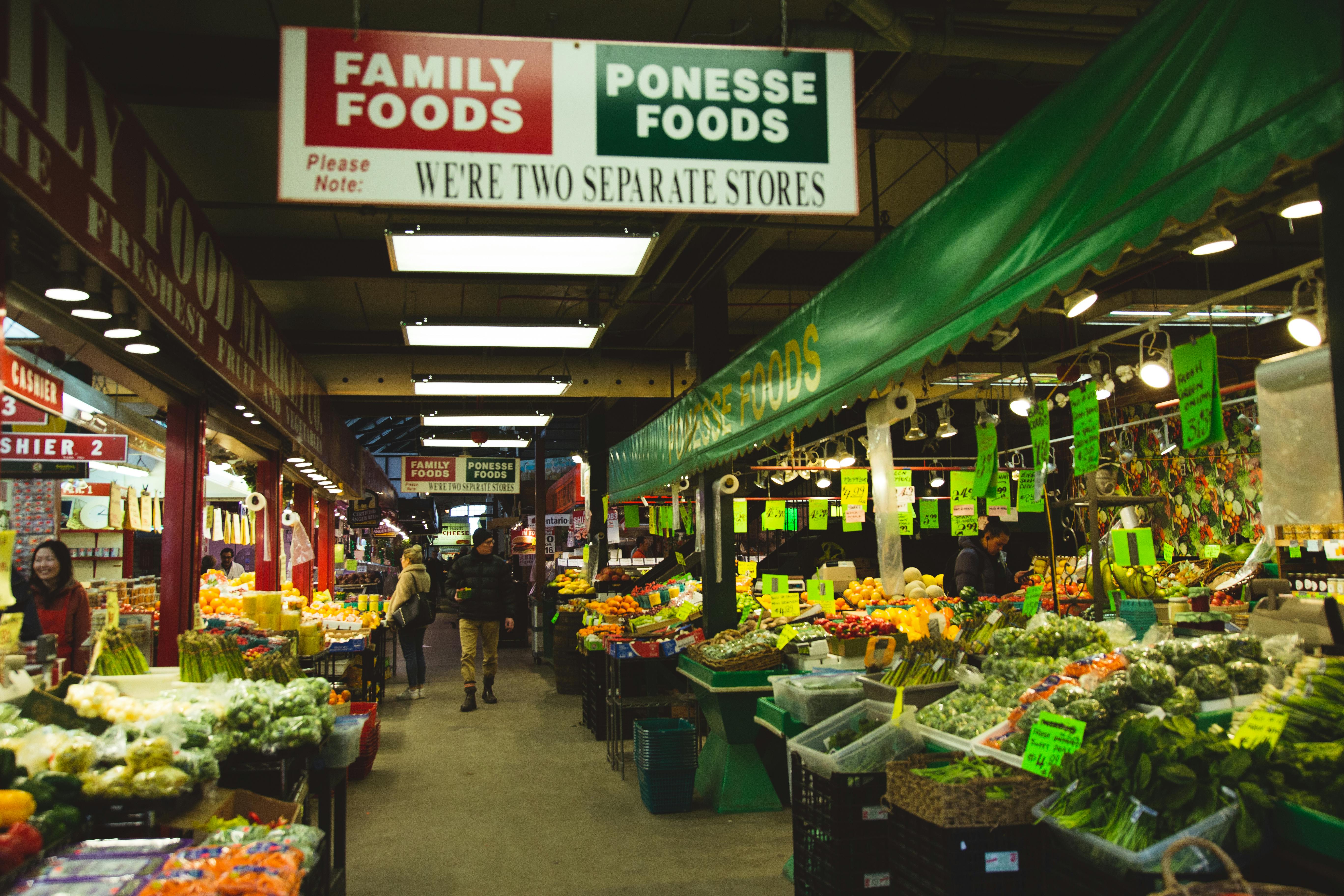
After using 30-minute grocery delivery regularly, I came away convinced that local stores are right to worry, but not because physical shopping is disappearing. In fact, the strongest evidence suggests grocery is becoming more hybrid, not fully digital. NielsenIQ’s recent outlook makes clear that most shoppers now move fluidly between stores and online channels depending on urgency, basket size, and routine.
That distinction matters. The future probably does not belong exclusively to ultra-fast delivery apps or to traditional stores. It belongs to retailers that can combine trusted assortments, dependable pricing, and flexible fulfillment. Some local grocers will adapt well by using delivery platforms selectively, improving pickup, and leaning into strengths the apps cannot fully replicate, like fresh departments, neighborhood loyalty, and specialized products.
Others will struggle if they become interchangeable inventory providers inside someone else’s marketplace. When the platform controls demand and the store merely fulfills it, differentiation weakens. The risk is not only lower margins, but reduced bargaining power over time.
The lesson from my own switch was simple: convenience is never just about convenience. A 30-minute grocery order feels like a frictionless consumer win, yet it pulls on a much larger system of labor, technology, fees, and competition. Local stores are worried because they understand something shoppers often do not. The future of grocery may still include the neighborhood market, but only if it can move at digital speed without surrendering its identity.