
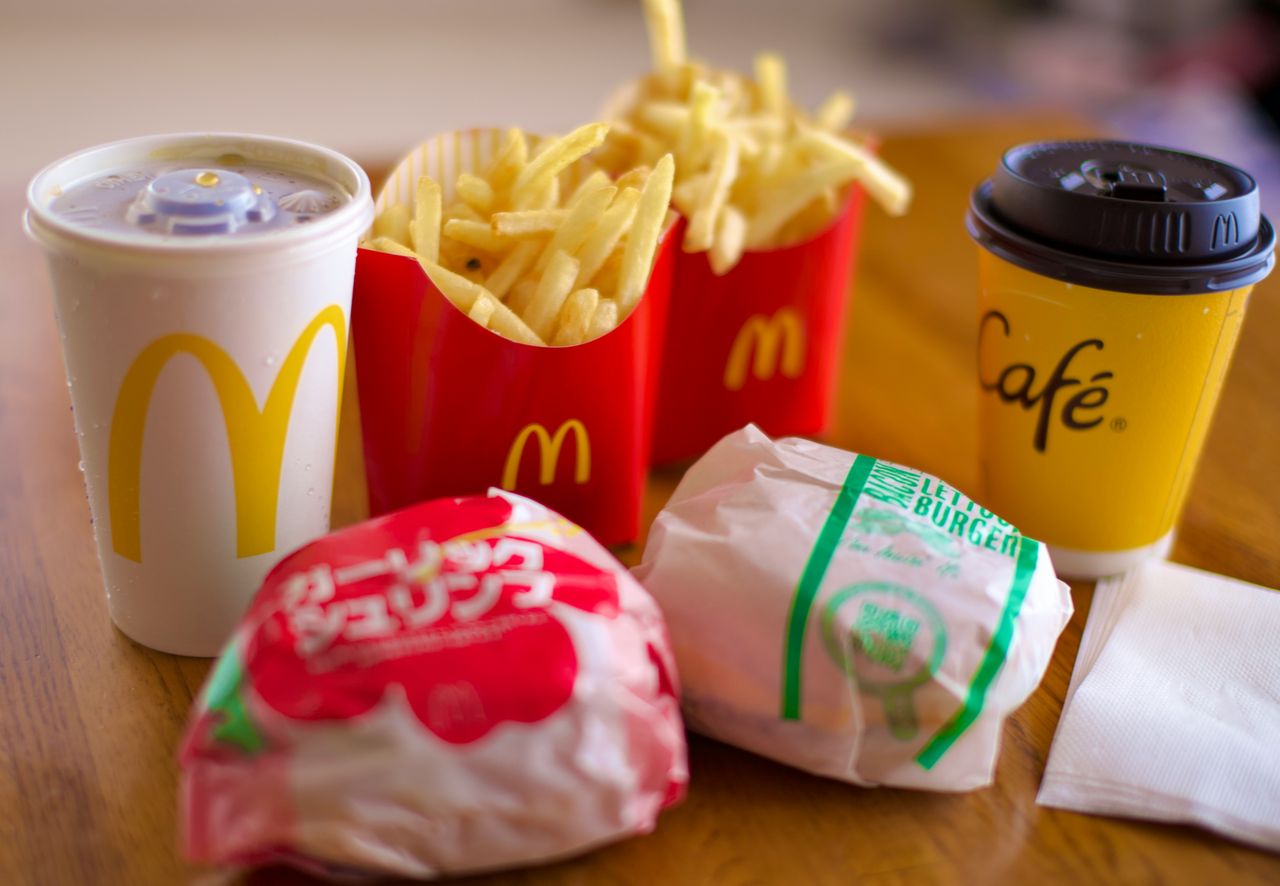
A fast food combo is supposed to be the most standardized meal in America. That is precisely why the differences stand out so sharply when the portions do not remotely feel the same.
Order a burger, fries, and a drink at five chains, and you quickly realize consistency is more marketing promise than lived reality. What looks like the same meal on the menu can land on the tray with surprisingly different heft, calorie load, and value perception.
The fast food meal should be standardized, but it rarely feels that way
The unsettling part of comparing fast food portions is not that every chain has its own style. It is that chains sell highly similar meal formats while delivering noticeably different amounts of food, especially in sides and add-ons. Consumers reasonably expect a medium combo to mean roughly the same eating experience from one brand to the next. In practice, that expectation breaks down fast.
That gap between expectation and reality is part of a larger portion-size problem researchers have tracked for years. Public health experts have long used the term “portion distortion” to describe how oversized or inconsistent servings reshape what people think is normal. Studies cited by public health institutions and academic researchers have shown that when portions grow, people often consume more without fully registering it.
Fast food is a perfect arena for that effect because branding suggests precision. Menus are engineered, kitchen systems are standardized, and nutrition disclosures create the impression that every medium fry or burger occupies a clear lane. Yet the real customer experience is less tidy, which is why a side-by-side comparison can feel so jarring.
Fries are where the biggest differences become impossible to ignore
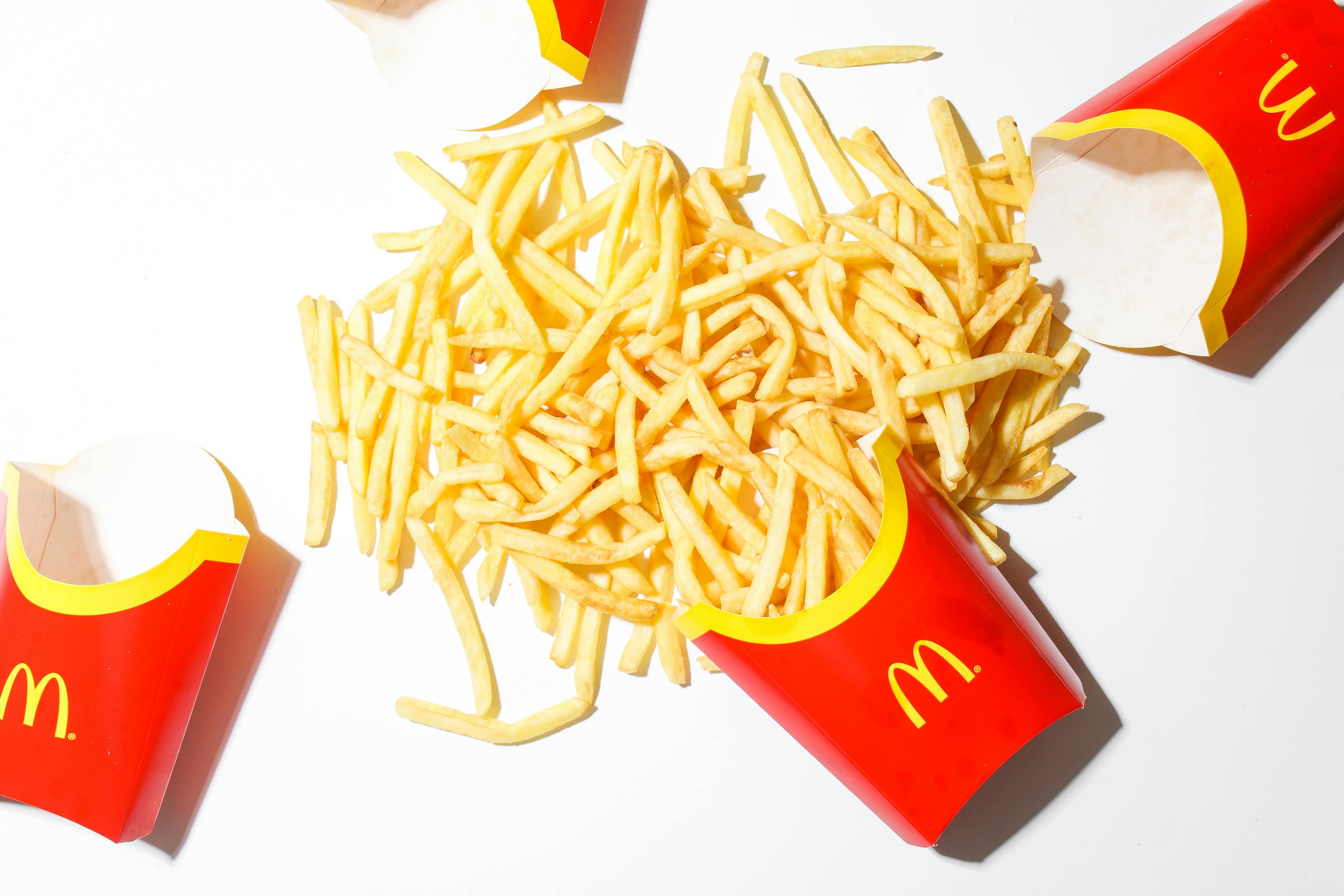
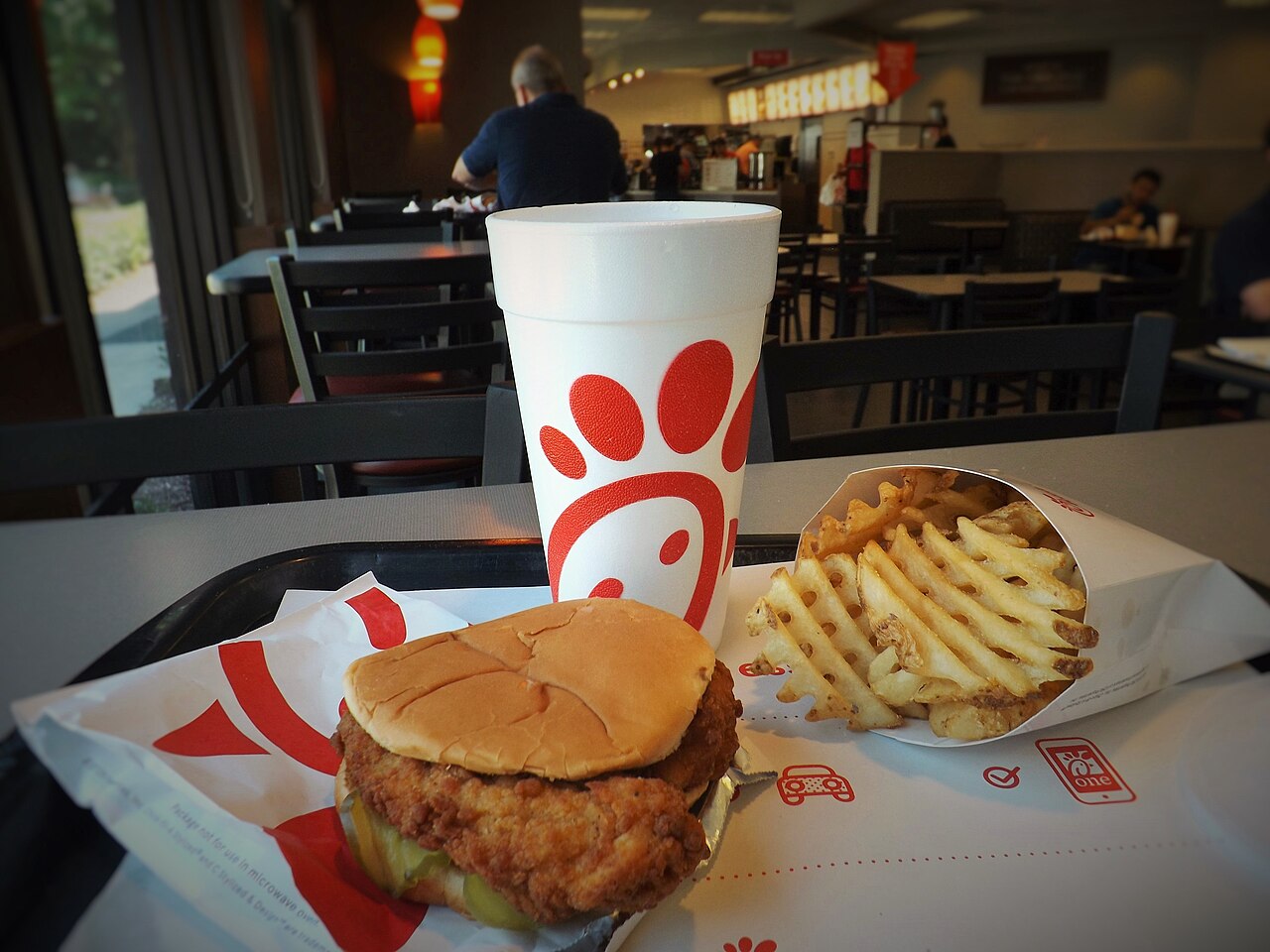
If you order the closest equivalent of a medium fry across major chains, the calorie spread alone tells the story. Chick-fil-A lists its medium Waffle Potato Fries at 420 calories for a 125g serving, a figure that signals a materially larger or denser side than many consumers might expect from the word “medium.” McDonald’s, by contrast, presents its nutrition information through its calculator and notes that values are based on standard serving sizes, even while acknowledging that real-world serving variation can happen from restaurant to restaurant.
Independent nutrition compilations that aggregate chain data often place Wendy’s and Burger King medium fries in a similar but not identical band, generally above McDonald’s and below Chick-fil-A. Even allowing for minor differences in preparation and rounding, that is enough to create a noticeably different tray and appetite experience. A customer may think they ordered the same side five times when they actually bought five different portion philosophies.
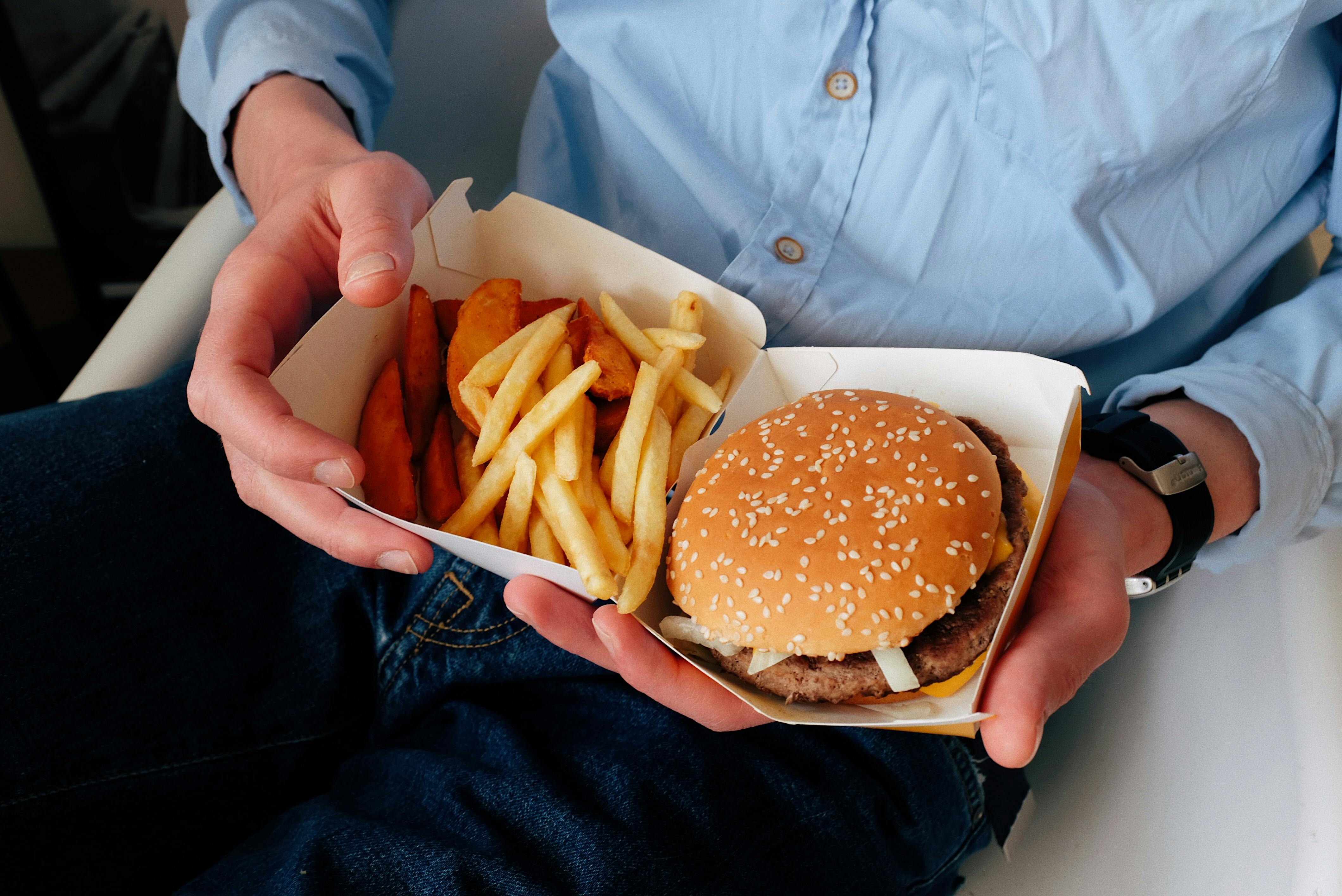
That matters because fries are the most visible benchmark in a combo. A burger can hide size differences inside bun thickness, toppings, or patty weight. Fries cannot. When one carton looks sparse, and another feels almost meal-sized, the contrast becomes immediate, emotional, and deeply tied to whether the meal feels fair for the money.
Burgers create a second layer of confusion around size and satiety
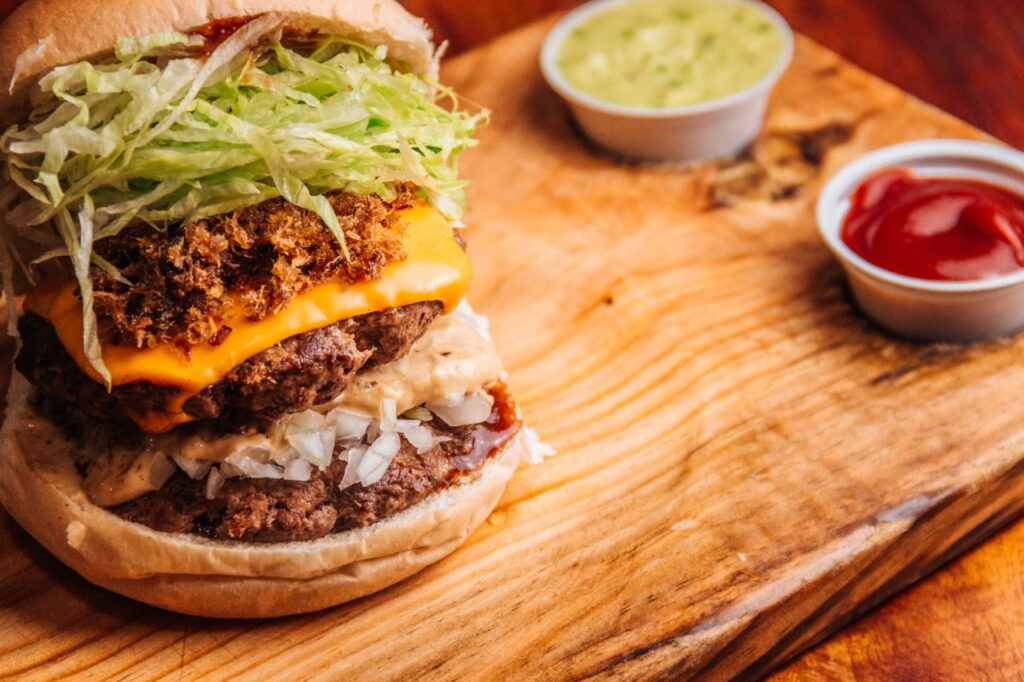
The sandwich itself often adds to the mismatch. Signature burgers are not direct clones across chains, but they live in the same mental category for most diners: the standard fast food sandwich anchoring a combo meal. The problem is that burger weights, bun dimensions, topping ratios, and calorie counts vary enough that two meals can share the same menu logic while producing very different fullness cues.
Burger King’s Whopper, for instance, is widely recognized as larger than McDonald’s Big Mac, with commonly cited nutrition data showing a sizable calorie and weight gap between the two. That does not automatically make one a better value, but it does reinforce how misleading the shorthand of “one burger meal” can be when chain signatures are built on very different physical scales.
This is where satiety becomes subjective but still meaningful. A thinner burger paired with a heavier fry portion may leave one impression, while a larger burger and more modest fries create another. Consumers are not wrong to feel confused by that imbalance. They are responding to a meal architecture that looks standardized on the board but behaves differently in the hand.
Portion inconsistency is now tied to the broader shrinkflation debate
Customers have become far more alert to portion changes because the broader economy has trained them to notice. In 2024, Chipotle publicly responded to complaints about skimpy servings, with executives saying the company was reemphasizing “generous portions” and retraining staff for more consistent builds. Axios reported that the company identified roughly 10% to 15% of restaurants as receiving a disproportionate share of portion complaints.
That episode mattered beyond burrito bowls. It showed that portion anxiety is no longer a niche complaint from a few eagle-eyed customers. It is now part of mainstream consumer behavior, especially when menu prices remain elevated and people expect a meal to justify its cost.
Fast food chains are not all shrinking servings in the same way, and not every portion difference is evidence of deliberate skimping. Sometimes the discrepancy is structural, built into different recipes and serving vessels. But from the customer’s point of view, the result can still feel like a quiet reduction in value, particularly when labels such as small, medium, and large imply comparability that does not really exist.
Why do these differences feel so personal at the counter

A portion gap lands differently in fast food than it does in other restaurants because speed and predictability are the core promises. People are not paying only for food. They are paying for consistency, familiarity, and the comfort of knowing what a meal should look like before it arrives. When that expectation fails, the reaction is stronger than the raw ounce difference might suggest.
McDonald’s itself states that nutrition information is based on standard formulations and serving sizes, while also cautioning that variation in serving size and preparation can affect what customers receive. That caveat is honest, but it also underscores the issue: even in one of the world’s most systematized food businesses, the final portion is not perfectly fixed.
Researchers studying portion perception have repeatedly found that sizing language shapes how much people expect, how much they are willing to pay, and even how much they consume. In other words, “medium” is not just a label. It is a promise with psychological weight. When five mediums look wildly different, the disconnect feels bigger than the numbers alone.
What fast food chains should learn from this growing consumer frustration
The lesson is not that every chain must serve identical burgers or fries. Variety is part of competition, and brands should absolutely have distinctive products. The problem is that chains lean on comparable meal language while leaving customers to decode radically different real-world portions on their own.
A more transparent approach would help. Clearer serving weights, more visible calorie context, and better expectation-setting around side sizes would make combo meals easier to compare honestly. Chick-fil-A already publishes a 125g serving size for its medium fries, and that kind of specificity gives consumers more useful information than size labels alone. McDonald’s similarly emphasizes standardized nutrition disclosures, even while acknowledging operational variation.
Until that kind of clarity becomes routine, customers will keep experiencing the same uneasy realization: the “same meal” across fast food chains is often not the same at all. And once you notice how dramatically the portions can swing, it becomes very hard to unsee.