
Some food icons do not begin in the center of the plate. They start as a small finishing touch that quietly earns a loyal following.
That is exactly what happened with the pepperoncini many diners know from a Papa Johns pizza box.
The tiny pizza-box extra that built a cult following
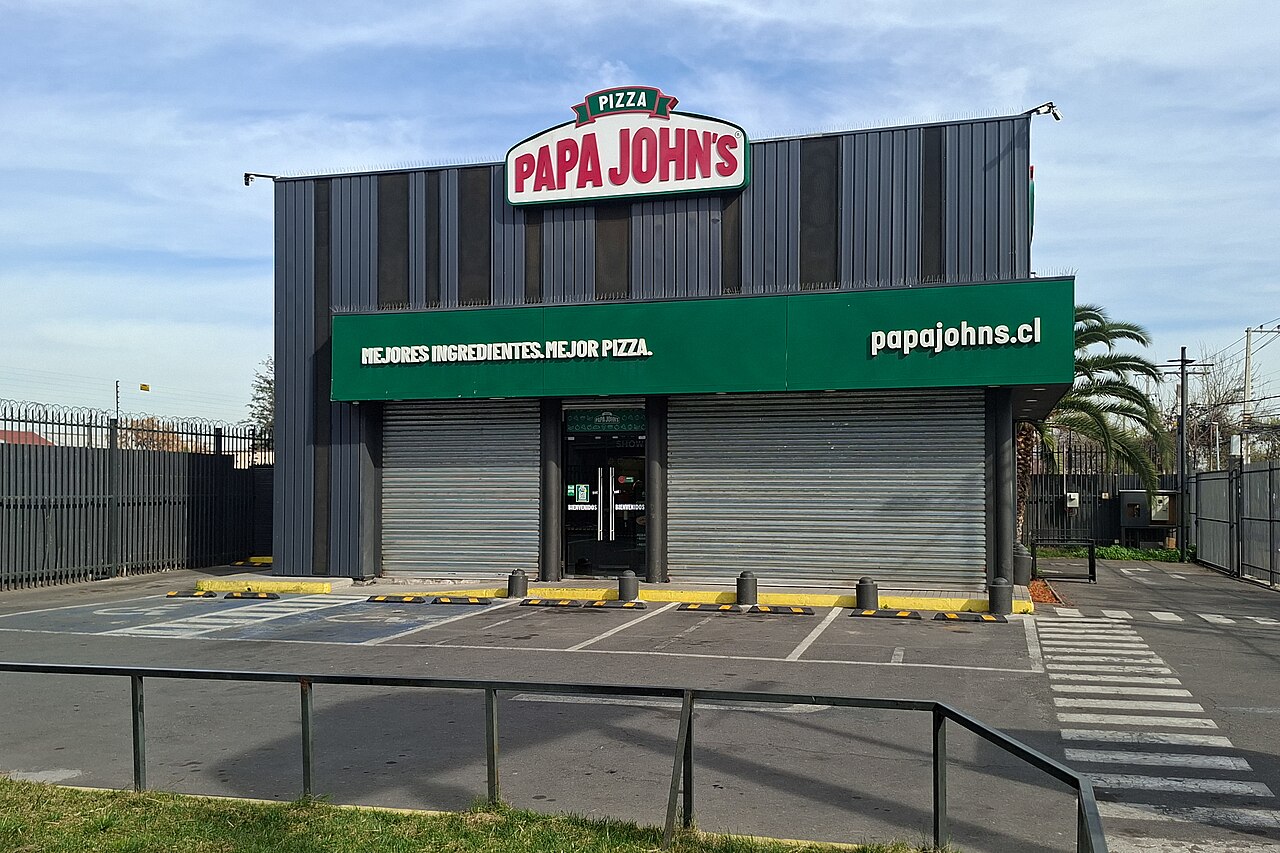
For years, Papa Johns helped normalize the pepperoncini for mainstream American diners by including one with every pizza order. The company still describes the pepper as part of its signature extras, and its own product language emphasizes a subtly sweet, medium-heat flavor grown in Mediterranean regions. That consistency mattered. For many customers, the first memorable encounter with a whole pickled pepper did not happen at an antipasto bar or Greek restaurant. It happened next to garlic sauce and pizza crust at home.
The chain’s long attachment to the pepper is not a recent marketing invention. A 1996 securities filing from Papa John’s mentioned that pizzas came with special garlic sauce and two pepperoncinis, showing that the pairing was built into the brand decades ago. More recent company materials continue to frame the pepperoncini as an iconic part of the Papa Johns experience, proof that the garnish became a recognizable brand asset rather than an afterthought.
That kind of repetition has real food-culture power. A once-unfamiliar ingredient becomes approachable when millions of people see it in the same setting over and over. Consumers learn its flavor by habit: salty, tart, lightly floral, and just spicy enough to wake up rich foods without overwhelming them. In a country where pantry trends often start with restaurant familiarity, the Papa Johns pepperoncini became a gateway ingredient hiding in plain sight.
Why pepperoncini made the jump from sidekick to staple
The pepperoncini’s rise in grocery stores fits neatly into broader shifts in how Americans cook and shop. Industry reporting from NielsenIQ has shown continued consumer interest in scratch cooking, fresh ingredients, and flavor-building shortcuts, especially as households try to stretch budgets without sacrificing taste. Circana’s food and beverage outlook has also pointed to persistent at-home eating as an important force in retail food growth. In that environment, a jar of pickled peppers is almost tailor-made for the moment: inexpensive, shelf-stable, and instantly expressive.
Pepperoncini also solve a modern kitchen problem. Home cooks want maximum payoff from one small purchase. A single jar can brighten sandwiches, chopped salads, grain bowls, pasta salads, tuna melts, roast chicken, and weeknight sheet-pan dinners. The brine is just as useful, adding acidity to dressings, marinades, and sauces without the flatness that plain vinegar can sometimes bring. That versatility is a major reason the pepper has outgrown its old garnish status.
Food media has reinforced the shift. The Washington Post has described pepperoncini as a refrigerator staple and highlighted how well the pickled pepper works across pizzas, sandwiches, and vegetable-forward dishes. What used to read as niche now feels practical. Once shoppers realize the same pepper from a pizza box can sharpen a potato salad or cut through a rich braise, it stops being a novelty buy and starts earning permanent shelf space.
What the pepperoncini says about grocery culture now
The pepperoncini’s pantry success reflects a larger change in American taste. Shoppers increasingly want condiments and preserved vegetables that do more than decorate a dish. They want ingredients with character, acidity, crunch, and restaurant-style payoff. Pickled items fit that demand well because they deliver contrast, and contrast is what makes everyday food taste more composed. A spoonful of chopped pepperoncini can give a heavy sandwich or creamy dip the kind of balance people usually associate with chef-driven cooking.
There is also a nostalgia factor at work. For many consumers, the flavor is emotionally linked to pizza night, takeout, and casual comfort food. Buying a jar at the grocery store lets them recreate that familiar hit in new ways. It is the same pattern that has turned other once-restaurant-specific items into pantry regulars: ranch seasoning, giardiniera, hot honey, and chili crisp all moved from accompaniment to ingredient.
Papa Johns did not invent the pepperoncini, of course, but it helped make the ingredient legible to a mass audience. That may be the most important step in any pantry transformation. Once people trust a flavor, they start using it creatively. And when an ingredient is affordable, flexible, and memorable, it no longer lives on the side of the plate. It moves into the pantry for good.