Half a dozen liquor store habits can shape what ends up in the bag, and most of them have more to do with how people shop than with any one brand. For home cooks planning dinner, parties, or a gift bottle, the best advice from wine and spirits experts is often simple: slow down, ask specific questions, and pay attention to the shelf.
Ask for a bottle by meal, not by score
One of the clearest tips from wine shop professionals is to start with dinner, not with points or shelf tags. VinePair reported that wine educators and former shop staff prefer questions like what pairs with dinner because that gives them something useful to work with, instead of a vague request for a good bottle. That matters for home cooks because roast chicken, spicy takeout, and pasta with tomato sauce can all call for very different wines.
A related rule is to describe what you already like. In another VinePair piece, Master Sommelier and Master of Wine Doug Frost advised shoppers to tell staff what styles they enjoy, because someone stocking or working the wine section may be able to point them toward a strong value. The article also noted that many Americans still buy by grape variety first, even though that can narrow the search too quickly.
That means a better in store script is specific and short. Say the meal, the budget, and one or two bottles you have liked before. In a busy shop, that is often enough to move past flashy shelf cards and toward bottles picked for the occasion.
Treat sale tags and store layouts with some caution
Discounted bottles are not automatically poor choices. VinePair quoted Chicago retailer Laura Sundh saying that a sale price does not by itself mean a wine is bad, and that shoppers should learn what they like while staying open to trying something new. That is useful at a liquor store where markdown bins can look suspicious, but may simply reflect distributor deals, seasonal turnover, or a store making room for fresh stock.
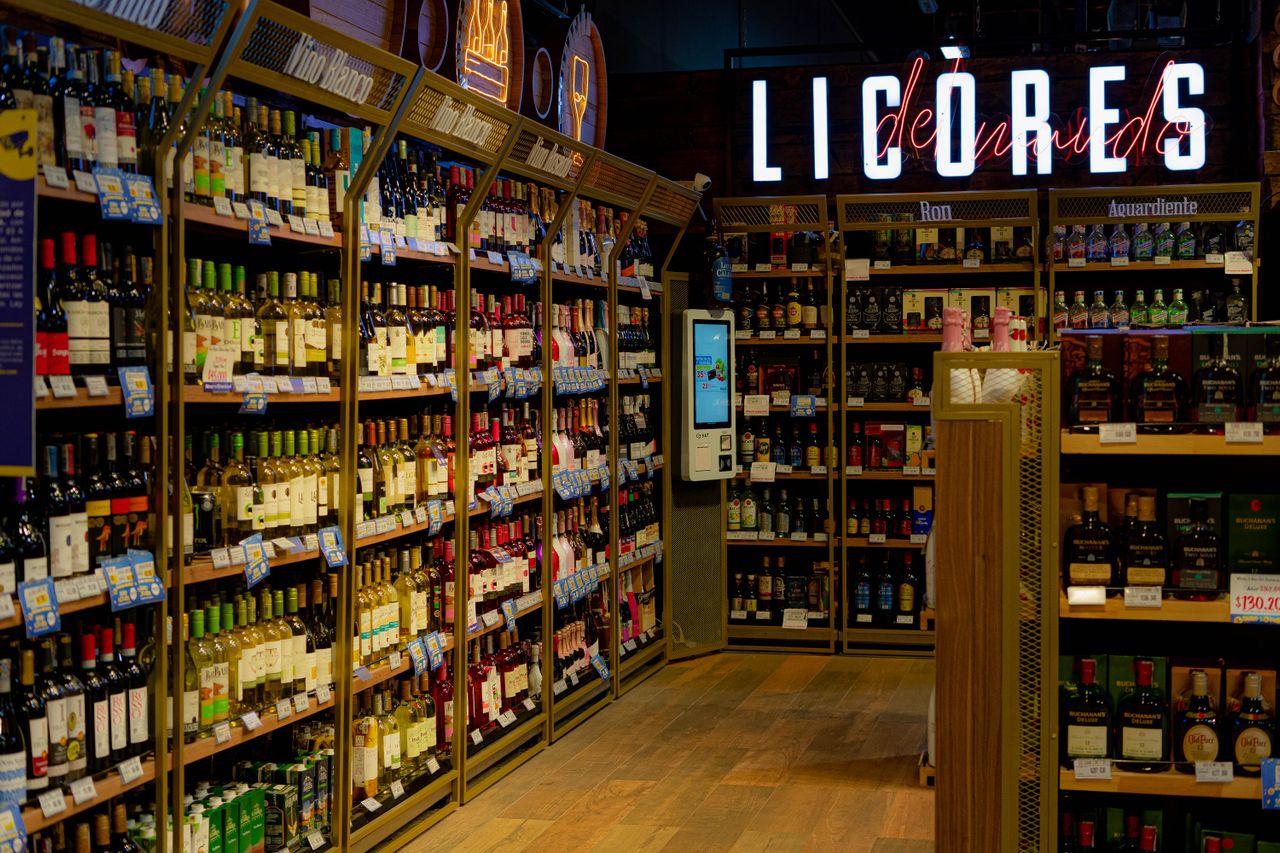
At the same time, not every cue in the store is neutral. VinePair’s look at liquor store design argued that retail layouts are often built to guide browsing and encourage discovery, especially near checkout and in high traffic displays. That does not make those products bad, but it does mean endcaps and impulse shelves are selling tools first.
A practical rule is to compare the display bottle with similar options a few feet away. Check price, region, proof, and bottle size before deciding. For shoppers trying to stick to a plan, that one pause can keep a quick errand from turning into an unplanned splurge.
Check storage, return policies, and service expectations
For pricier wine, storage matters. Wine Enthusiast advised shoppers buying old or rare bottles to look at how wines are stored when possible, and to ask about return policies for flawed or out of condition bottles. That is especially relevant for anyone buying a special bottle for a holiday meal or cellar, where heat damage or poor handling can turn an expensive purchase into a disappointing one.
Spirits shoppers can apply a similar rule at home after purchase. Wine Enthusiast’s storage guidance says liquor is generally less fragile because of its higher alcohol content, but bottles still benefit from sensible storage. Keeping them away from heat and direct light helps preserve quality after the bottle leaves the store.
There is also a simple etiquette point that can affect checkout. VinePair said tipping is not commonly expected at a standard bottle shop unless the business also serves drinks for on site consumption. For shoppers, that helps separate a normal retail purchase from a bar or hybrid shop experience, where service and pricing rules may work differently.