
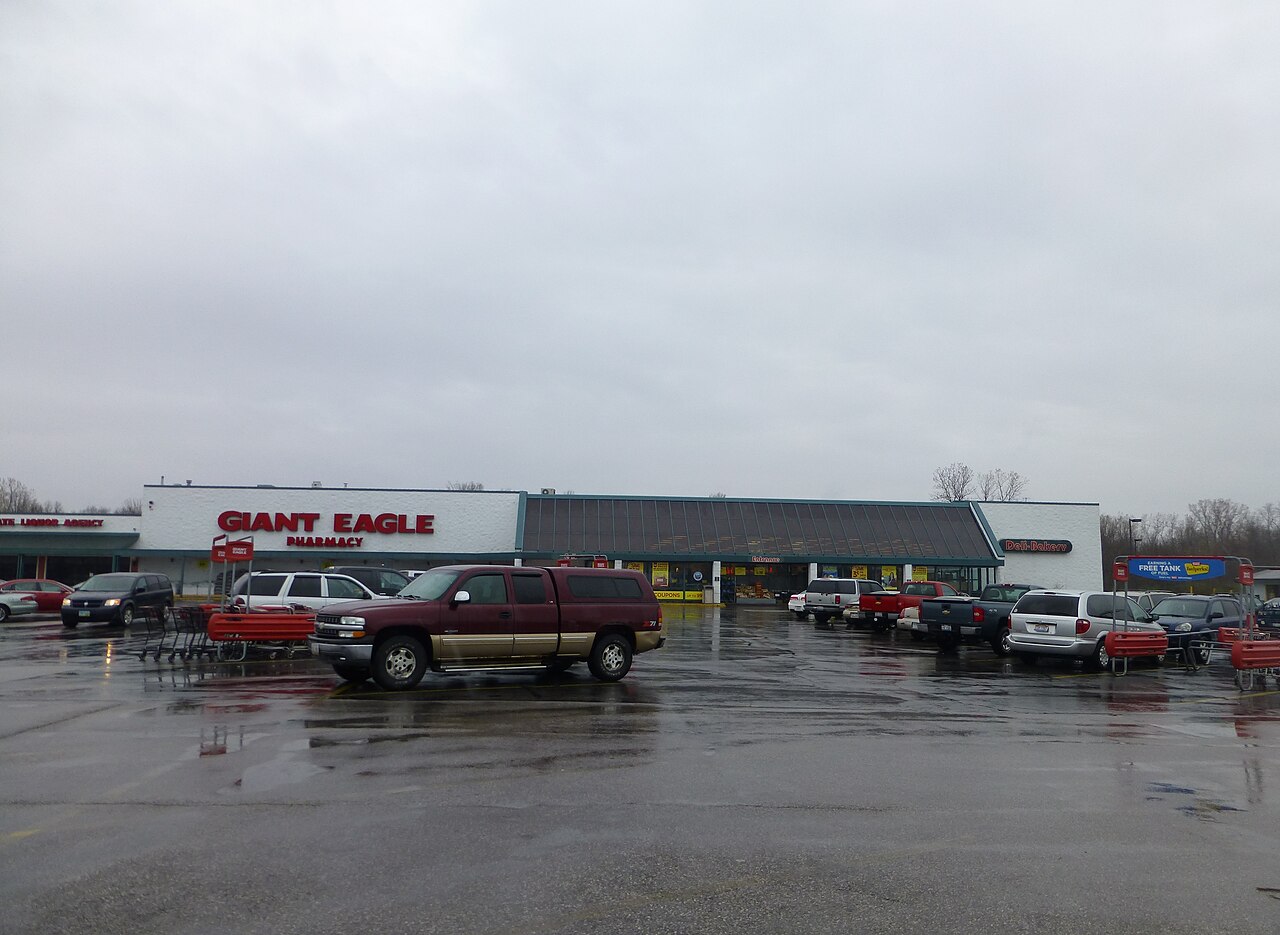
National grocery inflation has cooled from its peak, but food-at-home prices were still up 2.7% in June 2026 from a year earlier, according to the U.S. Bureau of Labor Statistics. The latest burst of headline-grabbing price cuts has centered on summer grocery promotions, including a July 9 move by Pittsburgh-based Giant Eagle to reduce prices on more than 300 items through Labor Day. The discounts are arriving as President Donald Trump publicly praises retailers for lowering prices, putting routine supermarket promotions into a political spotlight.
Giant Eagle put a number on the cuts, and other chains are making similar moves
Giant Eagle announced on July 9 that it had launched its “On Sale This Season” campaign, cutting prices on more than 300 items across the store by an average of 10% through Labor Day, according to the company’s release. The promotion applies to frequently purchased groceries, with local TV reports identifying examples such as ground beef, American cheese, peanut butter and jelly. Giant Eagle said the discounts are part of a broader effort to offer what it called better everyday value during the summer shopping season.
The timing quickly became political. On July 20, Trump praised Giant Eagle in a social media post, highlighting the chain’s decision to lower prices on more than 300 products through Labor Day. That came after he also tried to take credit for Walmart price cuts earlier in July, while an Associated Press report noted Walmart’s own statement did not say the administration caused the reductions.
Giant Eagle is not alone. Walmart said on July 6 that it was investing in “thousands of Rollbacks” across categories customers are buying most, including beef, fresh produce and beverages, while Sam’s Club also promoted seasonal discounts. Kroger has emphasized summer savings through rewards and promotions, though it has not announced a single nationwide grocery price-cut count matching Giant Eagle’s 300-item figure.
The biggest impact is likely in Giant Eagle territory, but the full location-by-location picture is not public
For shoppers in western Pennsylvania, Ohio, West Virginia, Indiana and Maryland, Giant Eagle’s announcement is the most concrete example of a regional grocer putting broad summer price cuts in writing. The company said the campaign applies across its supermarkets, but it has not released a comprehensive public list of every participating store or a full item-by-item pricing database by market. That means customers can confirm the program exists chainwide, but not every local shelf tag in advance.
In practical terms, the clearest local effect is in the Pittsburgh region, where Giant Eagle is a dominant supermarket name and where the company is headquartered. Local coverage in Pennsylvania confirmed that the campaign began July 9 and runs through Labor Day, with discounts concentrated in staple and seasonal categories. Because the chain has not published market-specific price files, it is not yet possible to verify whether the exact markdown depth is identical in every city.
The regional focus matters because not every grocer is cutting prices the same way. Walmart’s summer rollback campaign is national, while Giant Eagle’s move is especially significant in communities where it faces direct comparison with Aldi, Walmart and Kroger-owned banners. In those markets, even temporary reductions on a few hundred high-frequency items can shape weekly shopping decisions.
The pressure comes from inflation, competition and a political fight over who gets credit
The broad backdrop is that grocery prices are still rising overall, even while some categories are easing. BLS said food-at-home prices rose 2.7% over the 12 months ending in June 2026, and USDA’s Economic Research Service forecasts grocery prices for the full year to rise 2.8% in 2026. USDA also said some categories, including eggs, dairy products, and fats and oils, are expected to decline this year, while others such as beef, fresh fruits and fresh vegetables are projected to increase.
That mixed picture helps explain why retailers are leaning so hard into selective promotions rather than across-the-board price resets. Walmart executives said earlier this year that the company was leaning into lower grocery prices through rollbacks and everyday low price strategies. Giant Eagle separately tied its summer campaign to its “Because It Matters” strategy, part of a multi-year plan that the company said includes a $100 million investment in value, quality and stores across 2025 and 2026.
Politics has amplified the message, but the available evidence points first to business strategy. Retailers are responding to cost-conscious shoppers, competitive pressure from discounters and the need to protect traffic while inflation remains elevated. For customers, that means more visible deals on staple groceries this summer, but not evidence that the broader era of expensive food has ended.