
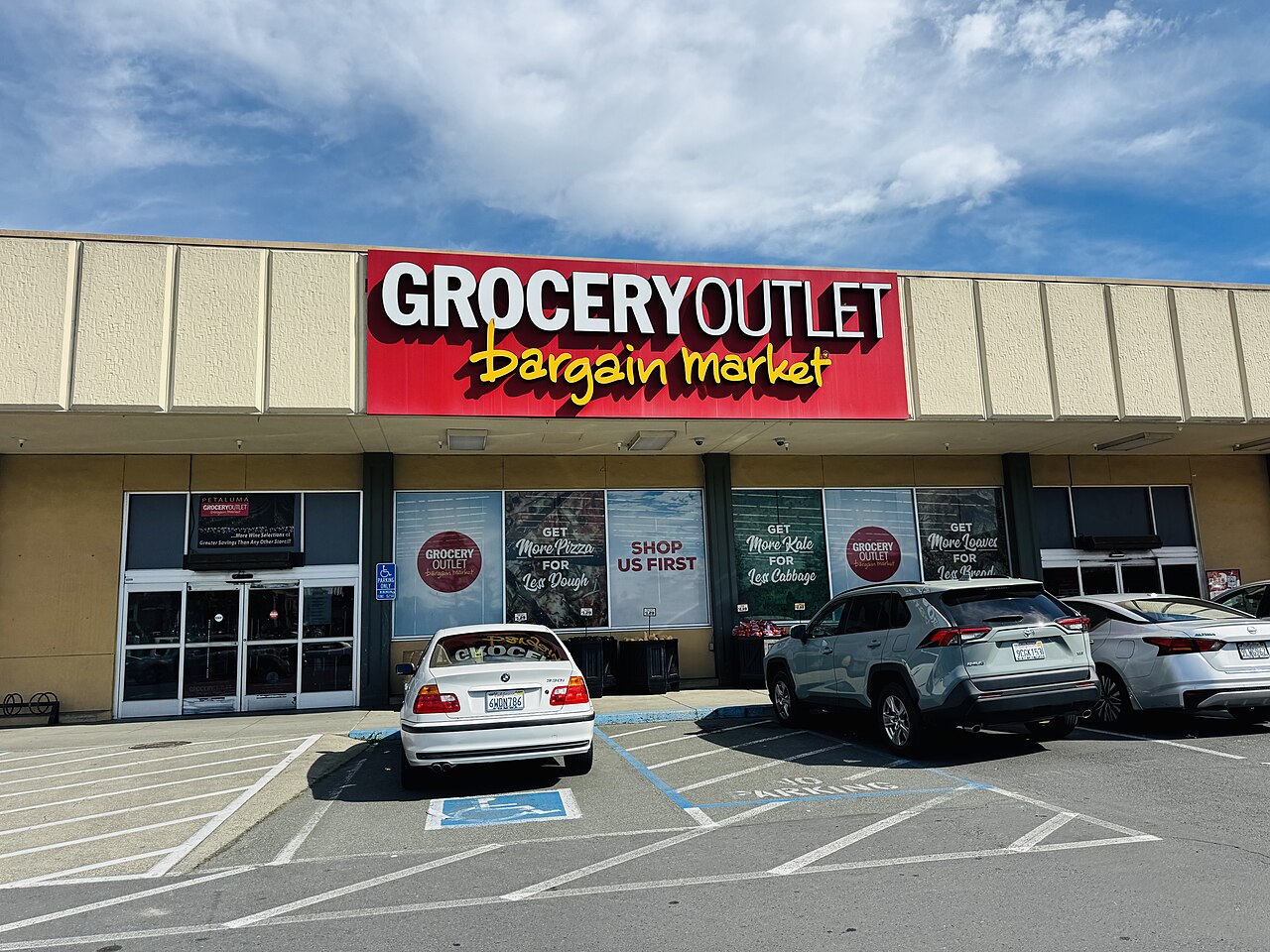
Discount grocers have been expanding across the U.S. as shoppers look for lower prices, but rapid growth has also exposed weak locations and uneven demand. Grocery Outlet is now retrenching after a fast expansion push, saying it will close 36 underperforming stores following a board-approved optimization plan in March 2026.
Grocery Outlet moved from expansion to closures in a matter of months
Grocery Outlet said its board adopted the closure plan on March 2, 2026, after a strategic, financial and operational review of its store fleet. In its fourth-quarter and full-year fiscal 2025 results released March 4, the company said the plan covers 36 financially underperforming stores, along with lease exits and operator agreement terminations tied to those locations. The company said the actions are intended to strengthen long-term profitability and cash flow.
The scale of the reversal stood out because Grocery Outlet had still been growing. The company said it opened 42 stores and closed five during fiscal 2025, ending the year with 570 locations across 16 states. That means the retailer added stores aggressively last year, then announced a closure plan equal to about 6% of its fleet only weeks into fiscal 2026.
The financial backdrop was severe. Grocery Outlet reported a $221.7 million operating loss for fiscal 2025 that included $113.8 million in non-cash impairment charges and $45.9 million in restructuring charges. The company also said the optimization plan could bring $14 million to $25 million in net restructuring charges in fiscal 2026, with tens of millions more tied to lease exits and store shutdown costs.
The biggest impact landed on East Coast states, but not every address was publicly confirmed at first
Grocery Outlet initially told investors only that 24 of the 36 planned closures were on the East Coast. On the earnings call, President and CEO Jason Potter said those 24 stores represented about 30% of the company’s East Coast portfolio, while the remaining 51 stores in the region were profitable. He also said the company was not fully exiting any state.
A later industry report, citing a Gordon Brothers marketing flyer for the affected properties, mapped the closures by state. According to that report, the East Coast shutdowns include eight stores in Maryland, six in New Jersey, six in Ohio and four in Pennsylvania. Outside that region, the same report said Grocery Outlet planned to close nine stores in California and three in Idaho.
What was not immediately clear from Grocery Outlet’s own announcement was the full store-by-store list. The company did not release a comprehensive public list of affected locations in its March 4 results statement, and city-level details were not included there. By May, the company said in its quarterly filing that it had already closed 27 stores in the first quarter of fiscal 2026 and initiated closure processes for the remaining nine, then completed those remaining closures in the second quarter.
The company said it expanded too quickly and is now reshaping how it grows
Potter told investors the company “expanded too quickly” in the East, even as he said it still sees long-term opportunity there. The company’s filings tie the closures to an effort to improve operating execution, optimize the existing footprint and align future growth with a more disciplined strategy. Grocery Outlet also said it plans to focus on a more clustered expansion model to improve supply-chain efficiency and marketing leverage.
Its first-quarter 2026 filing showed the business pressure did not end with the closure announcement. Comparable-store sales fell 1.0% in the quarter, driven by a 3.1% drop in average transaction size, even though transactions rose 2.1%. Grocery Outlet also said inventory markdowns and write-offs tied to the closure stores reduced gross margin, and it reported a first-quarter net loss of $180.3 million, including goodwill impairment and restructuring charges.
For shoppers, the practical takeaway is that Grocery Outlet is cutting weak locations while keeping the broader chain in place. The company said it does not plan a full withdrawal from any affected state, and it also said it expects to open 30 to 33 stores in fiscal 2026. That leaves customers with a smaller, reworked footprint rather than a national pullback, as the retailer continues closing underperforming stores while opening in markets it believes can support profitable growth.
Wonderful web site Lots of useful info here Im sending it to a few friends ans additionally sharing in delicious And obviously thanks to your effort
Your blog is a testament to your dedication to your craft. Your commitment to excellence is evident in every aspect of your writing. Thank you for being such a positive influence in the online community.