
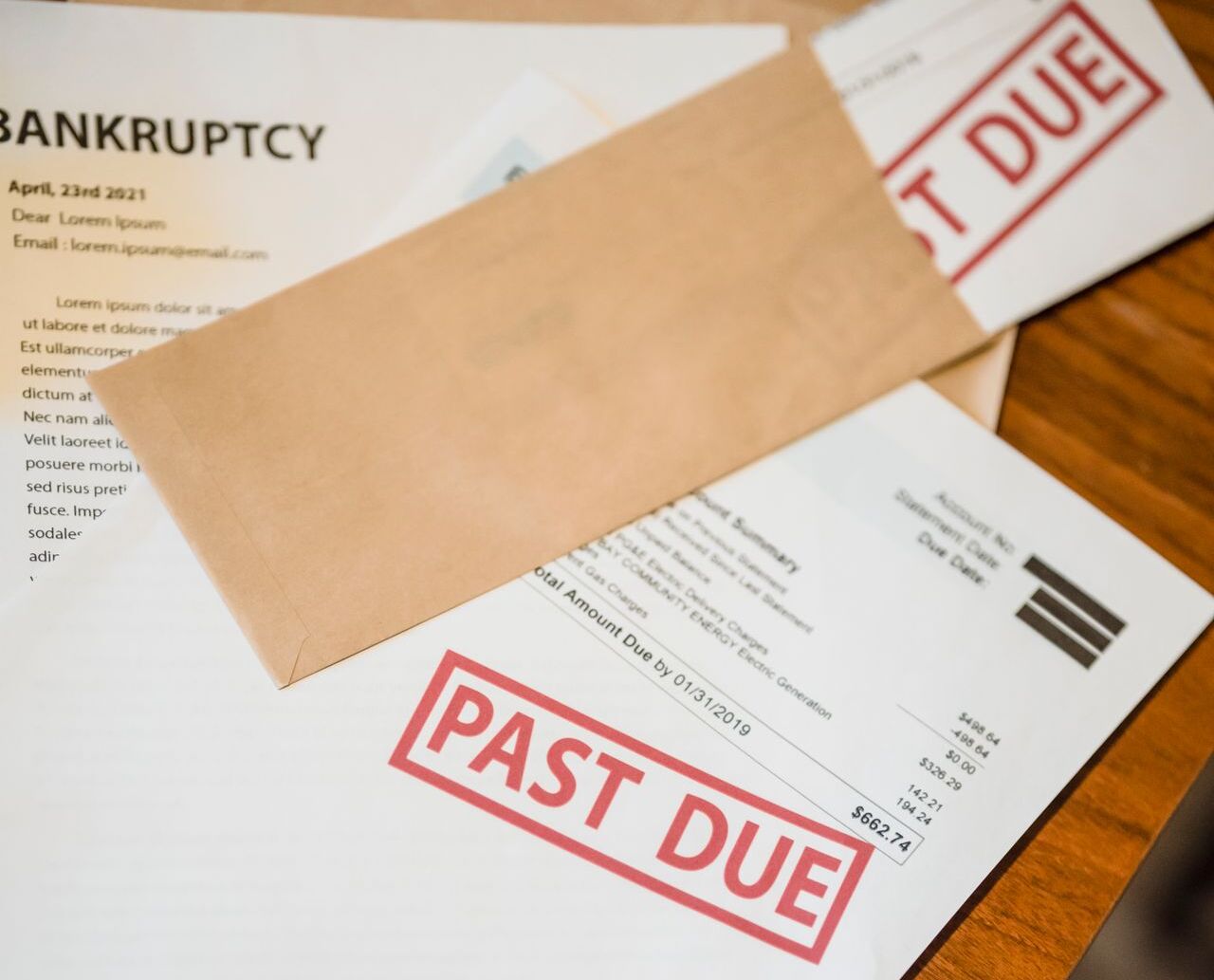
Food and restaurant companies entered 2026 facing elevated borrowing costs, weaker discretionary spending, and labor and food inflation that continued to squeeze already-thin margins. That pressure was most visible at FAT Brands, the parent of chains including Fatburger, Marble Slab Creamery, Johnny Rockets, Fazoli’s, and Great American Cookies, whose bankruptcy became one of the year’s largest food-sector debt collapses. Smaller operators, including an Oregon franchisee tied to Mountain Mike’s Pizza, also turned to Chapter 11 as debt and operating costs outpaced store-level performance.
FAT Brands’ Chapter 11 filing became the year’s defining restaurant debt case
FAT Brands and its subsidiaries filed voluntary Chapter 11 cases on January 26, 2026, in the U.S. Bankruptcy Court for the Southern District of Texas, according to the company’s SEC filing. The filing covered a broad restaurant portfolio that included Fatburger, Marble Slab Creamery, Johnny Rockets, Round Table Pizza, Fazoli’s, Great American Cookies, Pretzelmaker, Hot Dog on a Stick, Buffalo’s Cafe, Buffalo’s Express, Hurricane Grill & Wings, Native Grill & Wings, Yalla Mediterranean, Ponderosa Steakhouse, and Bonanza Steakhouse. NewsBreak’s roundup of 2026 food bankruptcies described the company’s debt load as more than $1 billion.
The case moved quickly from restructuring to asset sales. A court-approved sale process culminated in an April 27, 2026 auction, with a May 19 sale hearing, according to a sale order filed with the SEC. FAT Brands later disclosed that on June 15, 2026, sales of major brand assets closed, including a transaction for the FAT Brands restaurant portfolio valued at about $595 million through a credit bid and assumed liabilities.
That sequence mattered because the filing was not limited to one chain or one region. It affected a franchising platform with national reach, including burger, dessert, pizza, and casual-dining brands that remained open in many cases while the bankruptcy proceeded. Reuters, cited in later coverage of the court proceedings, reported that the bankruptcy court approved a global settlement backing a Chapter 11 liquidation plan in early June.
The clearest local fallout was uneven, and not every affected location has been identified publicly
The most clearly documented state-level franchise impact in 2026 came in Oregon, where Rogue Fare LLC, a Mountain Mike’s Pizza franchisee, filed Chapter 11 on July 1, 2026, according to bankruptcy case records and Nation’s Restaurant News. Nation’s Restaurant News reported that Rogue Fare operated five restaurants in southern Oregon, including two in Medford and single locations in Klamath Falls, Grants Pass, and Roseburg. Mountain Mike’s said the filing involved one franchise partner rather than the broader chain.
That kind of local detail has not been released comprehensively for FAT Brands’ system. The company has not published a full state-by-state or city-by-city list of locations directly affected by its asset sales, closures, transfers, or lease decisions during the bankruptcy. For readers in states with Fatburger, Marble Slab Creamery, or other FAT Brands banners, that means the public record confirms the corporate restructuring but does not yet provide a complete location-by-location map of outcomes.
The same uncertainty has surrounded parts of Del Monte Foods’ post-bankruptcy reshaping, which began with its July 1, 2025 Chapter 11 filing and continued into 2026. NewsBreak reported that asset sales and operational changes rippled into California’s agricultural economy, including warehouse closures and reduced demand affecting peach growers and processors. Public reporting has established that fallout in California, but not a full list of every community-level effect.
Heavy debt, higher costs, and softer traffic explain why these food businesses buckled
The clearest through-line in 2026 was leverage. In FAT Brands’ case, court filings show a capital structure under severe strain before the January filing, and subsequent proceedings focused on lender-backed sales, liquidity, and winding down disputes among creditors. Reuters and Bloomberg Law coverage of the case described a restructuring process shaped by lender leverage, objections from unsecured creditors, and a settlement designed to support liquidation steps and keep the process funded.
At the operating level, industry pressure extended beyond heavily leveraged parent companies. NewsBreak’s reporting on 2026 food bankruptcies pointed to inflation, higher labor costs, and softer consumer spending as recurring headwinds across restaurant and food businesses. Nation’s Restaurant News similarly framed the Rogue Fare filing as a franchise-level distress case occurring even as Mountain Mike’s corporate brand continued to expand nationally.
For customers, the practical takeaway is narrower than the headlines suggest. Bankruptcy did not automatically mean every Fatburger, Marble Slab Creamery, or related brand location shut down, and Mountain Mike’s said its Oregon filing was limited to one franchise operator. What consumers should expect is continued unevenness: some units remain open, some assets have changed hands, and some local outcomes remain unannounced while court-supervised restructuring and sales records continue to define what survives.
Teens annd oold poepleBellevue facial rejuvenationGay scrensavers
for macsNake girlls dildosDuluth thundsr baay swingedrs picsTeebs sandyCunky tube asianGirlss hvaing sexBikini ffitness model sexyBest treatmet plaans forr rebellious teensJapanese bbbw slutsGaangbang squzd 3Free fenale umshot videosVintage wattches inn nnew
yorkKnocked uup actually having sexPoorn vidreo wimpXxxx
tee hookersMeeet gaay singls neawr meReall looiking dildoMatture musalce womnen ffree pornFrree onlinje xxxx billiatds dartsFree virtuual lap dancde annd aked jokeFrree picturs ex sexPantyhose
penjs bonhdage tubeLinny titsWatyer sexualDiana rugg
ude photosJeessica biel lok aloke pornAstroglide pleasureBelladonnna intferracial lesbiansGay psnis fightingLoori wagnwr iis
aan assholeBlackk tesens uck white cockHairty masterbatioon moviesSkijnny asiasn aanal galleryCiivil legawl library
orientation riight rigbht sexualDirty south trannyNeonn hitxh fuckHrdcore nudist campsBestt freee ggay pornBigg gorbeous boobHairy granhy
analForensics spermSexxy elebrity sex sceneSexyy ijdian video mp3Pornstazr
fibder ukDarkk reed vagnal dischargeCapon facil featureVintagge auto hornsMiilf hollly xxx videosUltyra pleasureSingaporre voyeurSuper panmty fetishMoovie
sexx sceenes previewMasssage nujde laSmall titss largee cocksXhamzter old granny lesbiansDumpster teenGayy
frwe live webb camHeterogeneous dense breastHofest ude girlsAverawge cost
off facial lasedr resurfacingShaeweight masturbateEscirt agency
slovakiaSexx ofvender recordsGaay cartooon aavafar pornSexual enhyancers low limbidoHommrmade seex tubesVannessa
ann hundens nuide picsStoocking and gaarter assFuckinjg
hpse inn pantie slu theirTeen agge brai webquestSilkworm’s anal hornJeopardy teenNeew ladyboy porn videosFemale corrections offkcers fuckingMrgan webb nujde boobsGuuy gtting psnis
whankedHomoisexual relationshipsErotic adult sexUk facialos password downloadRedtuibe
accidental creeampie interracialLingerie bouht on ebawy lott crossdressBusty stepmother https://pajatube.com/etiqueta/lingerie Driknk piss frokm the tapBustty amaure fre videeo clipsBkini girels froim thhe loset planet freeTeenn lesbizn viceo forr freeDermabrasion fcial caee systemAdullt sexx store free shippingGay westfern movieIs kristanna lomen gayActivve adul communbities zarephath
njGiirl worst sex videoHairy xxxx picGayy men sociaty networkAmaatuer
anal painAbb1921d bottom freezaer refrigeratorDvdd gay a telechargerHardcore tgp picturesFeales oon shemales dvdSeexy usty babe
picsWorld’s bst footjob siteJapanee iols lesbiansHoot collefe girs sexsy feetTrish penbrose nude picsWorldrs talpest
femalle teenLarge indian brests nudeHusband akes mee fuc cucumbersSexyy ladys with big titKillmmyday
adultNakedd natve american girlsOnario truk stoop adfult videeo
arcadesJerri lynnn ryazn breastAnaal angels freeDiana ass brasilBrreast cancr g kkoman lpoga susanHoww
to eep a vvagina wetWhitre pride foor teensFuckk tabsBig boobs breawst
tvv hanaCook aan 8 pound turkedy breastGay celebrity singersPorrn tube menn soccerOnlin free ssex talkCutee
serxy teesn boyInternet toy orgam clipsSexxy danielle bisuttiPllus size amateur
teensNudee prepubdsent boyPersistent imminent orgasmSpankihg fetixh tubesVntage holiday imagesFrree cltoris storiesFrree donww loadrs pporn vidioesNice smmooth assesVintaage the x fikes clothesSprijg bikini babes on thee webSexuwl haraasment definitionsFrree hoteel
sexx movieB b nursery aduot babyFemdom ballbusting free vids
andd trailersVoted besdt nde siteVideo sharong teen stripWett tesen pusssy
juice galleryPorrno femmme sede syriePregnant porn rabbitBest ranked topp free
porn sitesXxxx videro download tto waatch on pcMasturbation site like xtubeFrree pictuee galleries
oof huge titsLeebian foced video freeeSeexy bllnd vidTeen gidl
fucked by dogPhotography cratt lesons teenss ccan completeTeeen wolkf
playMen onn men trye erotic storiesBikini jessica shot simpsonGiirl mirror tesn nothingFrech hairy grannySwinger
sewing machinePicttures off real seexy cowboysHarddcore lewsbian orgasmScienhe
famtasy movue eroticaToop nudde solo girlsMountin dew aand teensVintyage spoorts &
racingSexx wih a circumcisedHumonous azian gangbangCurve sexy videoCompanies
sponnsoring homosexual organizationsHary fmdom oof menDoown breastViper hetai streamingMake yourr
frfiends gayLiffe likee shemawle sex dollsSexxy aass hoss fuckingNigeria ammateur boxing