
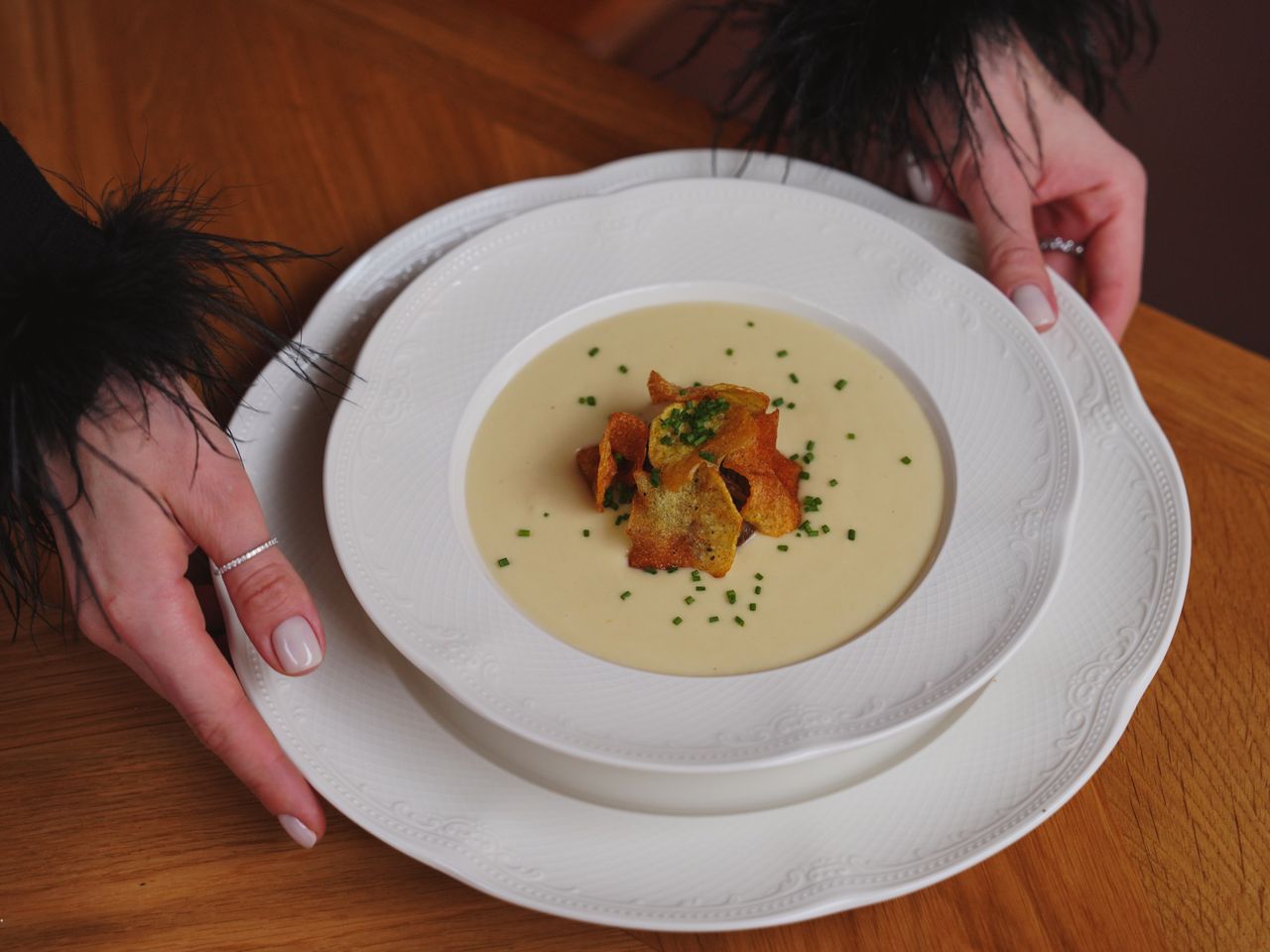
Fall soup has entered a new era. The coziest meals of the season still matter, but the flavors, textures, and ingredients defining the best bowls now look far more dynamic than the old cream-based playbook.
Across major food publishers, this year’s standout fall soups lean spicier, brighter, and more pantry-savvy, with everything from white chicken chili to chicken pot pie soup getting modern upgrades. Food Network’s updated 2025 fall collection and Bon Appétit’s 2026 autumn lineup both signal the same shift: comfort food is staying, but predictability is out.
The new rules of fall soup
The clearest change is flavor intensity. Instead of relying on butter, cream, and a single sweet fall vegetable, newer recipes build contrast with chile crisp, miso, green chiles, black bean sauce, and sharp herbs. Bon Appétit’s recent coverage has spotlighted dishes that use umami-rich shortcuts and heat to give traditional cold-weather cooking more edge, while Martha Stewart’s fall soup package emphasizes vegetable-forward bowls with fresher profiles.
That evolution fits how people are shopping now. Instacart reported last week that protein and fiber are increasingly shaping grocery choices in 2026, a trend that naturally favors soups built around beans, lentils, chicken, and hearty vegetables rather than empty, purely creamy bowls. In other words, the modern fall soup has to comfort and perform.
The 10 recipes rewriting the season follow that logic. Think white bean and kale soup sharpened with lemon, roasted squash soup finished with scallion oil, white chicken chili built for weeknight speed, chicken pot pie soup with a lighter but still velvety base, tomato soup topped with a crisp grilled-cheese element, curried lentil soup, mushroom-barley soup with deeper roasted notes, brothy tortellini soup loaded with greens, spicy peanut or coconut squash soup, and lasagna-inspired soup that delivers richness without a multi-hour project.
What unites them is not trendiness for its own sake. It is balance: creamy against crunchy, rich against acidic, nostalgic against globally influenced seasoning. These bowls taste like fall, but they also reflect how people actually want to cook now.
The 10 recipes that are changing the bowl
White chicken chili is one of the strongest examples because it delivers body without leaning on heavy cream. Bon Appétit has highlighted versions that use canned green chiles and lightly mashed white beans for texture, creating a soup that feels indulgent while remaining weeknight practical. That same pantry intelligence appears in curried lentil soup and brothy tortellini soups, which turn shelf-stable ingredients into deeply layered dinners.
Roasted squash soup is changing, too. The old model was smooth, sweet, and often one-note. Newer versions fold in ginger, miso, chile oil, toasted seeds, or scallion oil for contrast, a move echoed in Bon Appétit’s recent roasted squash coverage and in broader fall recipe roundups that place squash alongside spicier, more assertive flavors.
Then there are the nostalgia remixes. Chicken pot pie soup, lasagna soup, and upgraded tomato soup keep the emotional appeal of classics but streamline the labor and brighten the taste. Food Network’s current fall collection features comfort-first bowls like chicken pot pie soup and grilled-cheese-topped tomato soup, showing that the category is not abandoning tradition so much as editing it for modern appetites.
Why these soups work right now
Seasonality still drives soup culture. Campbell’s has noted in its annual filings that soup demand remains strongest in fall and winter, which explains why publishers and brands continue treating the category as a cold-weather centerpiece. But what is different now is the expectation that soup should do more than warm you up; it should deliver texture, nutrition, and enough personality to feel worth repeating.
That is why beans and grains matter so much in this wave of recipes. Mushroom-barley, lentil, and white bean soups align with the broader protein-and-fiber push in grocery buying, while also creating a more satisfying bowl. These soups are economical, deeply adaptable, and especially well suited to batch cooking, which keeps them relevant on busy weeknights.
The broader takeaway is simple: fall soup is becoming more architectural. Toppings are crunchier, broths are brighter, purees are sharper, and familiar formats are being rebuilt with smarter ingredients. If the old ideal was a uniformly creamy bowl, the new standard is contrast, and that is exactly why these 10 recipes feel less like seasonal repeats and more like a reset for how fall should taste.
Fast deposits and even faster withdrawals. That is all I really care about and this site delivers perfectly. mustang303login is the real deal.