
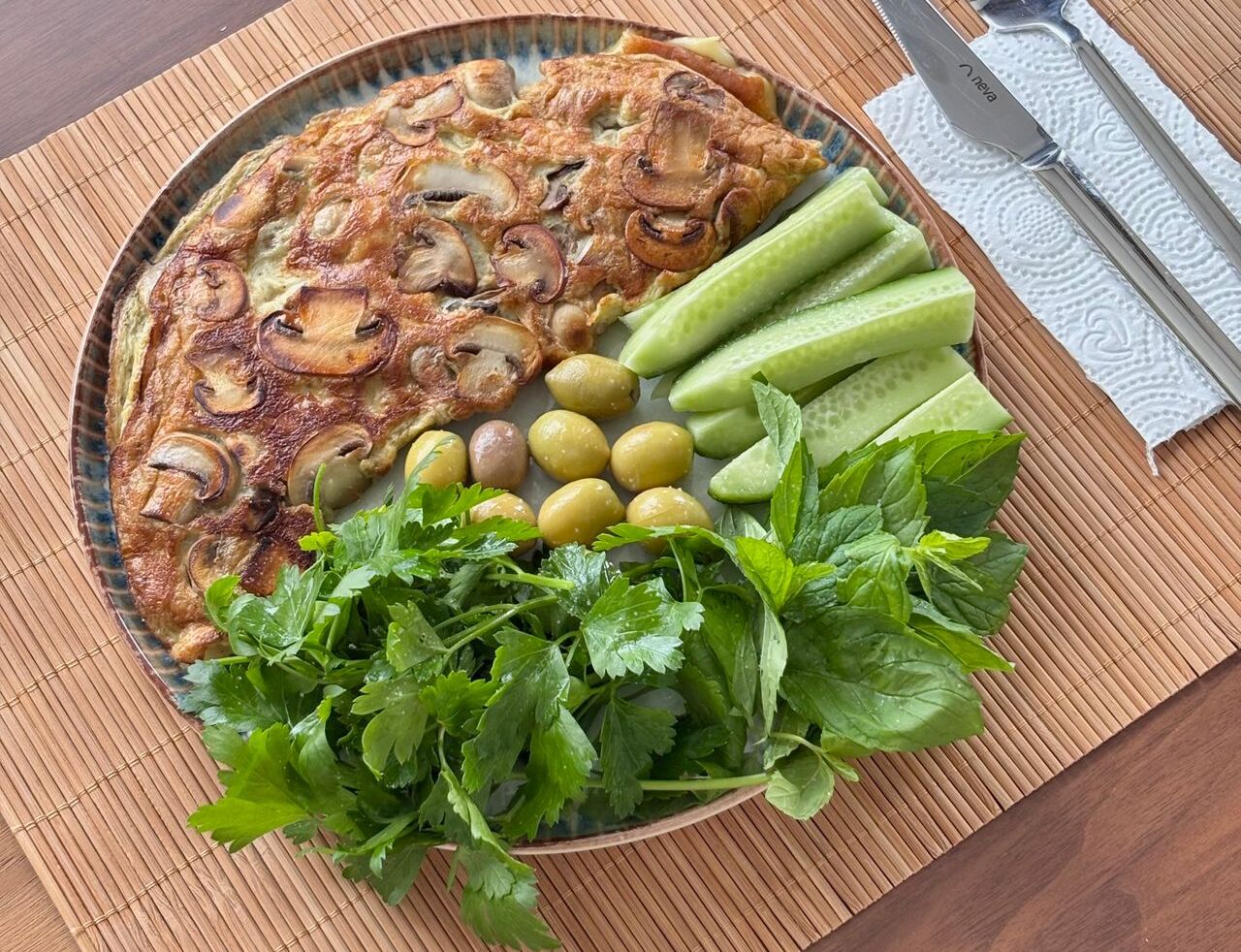
Few breakfast foods invite stronger opinions than the omelet. What seems like a simple egg dish quickly turns into a referendum on texture, restraint, and whether fillings should support the eggs or completely take over.
Why omelet fillings spark such strong reactions
An omelet sits in a fragile culinary sweet spot: rich but delicate, simple but technical. That is why even a popular filling can feel overrated when it throws off the balance. Bon Appétit has long warned that overly wet ingredients such as mushrooms, tomato, and spinach must be cooked down thoroughly, and that too much filling can cause an omelet to break when folded. In other words, many of the ingredients people complain about are not bad in themselves; they are bad when they swamp the egg.
That tension helps explain why spinach, raw tomato, and big handfuls of mushrooms routinely divide cooks. Each sounds virtuous or flavorful on a menu, yet each releases moisture. The result is often a watery center, diluted seasoning, and an omelet that steams instead of setting. When diners call these fillings overrated, they are usually reacting to execution rather than concept.
There is also a style clash at work. In the French tradition, the omelet is often lightly filled or simply finished with herbs or a modest amount of cheese. Classic guidance highlighted by chefs such as Jacques Pépin and Thomas Keller treats the egg itself as the main event, not merely a wrapper. Once that standard is in mind, the stuffed diner omelet starts to look less generous and more clumsy.
The fillings that earn the “overrated” label most often
If there is one filling that attracts disproportionate criticism, it is spinach. Spinach promises color and freshness, but unless it is squeezed dry and used sparingly, it contributes bulk without much payoff. Many diners remember ordering a “healthy” spinach omelet and getting a damp, collapsing interior. The same criticism applies to fresh tomato, which can bring acidity but often leaks water faster than the eggs can absorb it.
Mushrooms are another repeat offender, despite being classic breakfast fare. Properly browned mushrooms add savoriness, but undercooked mushrooms act like little moisture sponges that empty into the pan. Bon Appétit’s test kitchen advice singles them out as an ingredient that must be cooked very well before entering an omelet. That explains why mushroom omelets can be either deeply satisfying or strangely soggy, with very little middle ground.
Then there are luxury or overload fillings: truffle oil, too much feta, thick ropes of cheddar, and piles of mixed meats. These ingredients are not unpopular because they lack flavor. They are criticized because they flatten the dish into salt, fat, and one-note intensity. When every bite tastes only of cheese or cured meat, the eggs disappear, and for many cooks that is the definition of overrated.
What actually makes a filling worth using
The best omelet fillings succeed when they respect proportion and moisture. Bon Appétit recommends using only about 2 tablespoons of filling, a small amount that sounds stingy until you remember how thin a properly made omelet should be. A little Gruyère, finely chopped herbs, or a spoonful of well-cooked onions gives contrast without tearing the structure. Restraint is not snobbery here; it is engineering.
That matters even more at a moment when eggs feel too valuable to waste. According to the USDA Economic Research Service, average U.S. retail egg prices hit record highs in early 2025 before easing to $5.12 per dozen in April 2025, after a wave of avian influenza-related losses reduced the laying flock. When eggs are that expensive, a failed omelet caused by watery fillings feels less like a harmless breakfast mistake and more like avoidable kitchen waste.
So are these the most overrated omelet fillings? In many kitchens, yes: spinach, tomato, undercooked mushrooms, and heavy-handed cheese or meat combinations earn that reputation honestly. The smartest takeaway is not to ban them, but to treat them as supporting actors. A great omelet is still about tender eggs first, with the filling there to sharpen the performance rather than steal the show.
Really impressed with the user interface of this app. It makes playing so much more fun. Check out db89app for the best features.
Everything about this site feels professional and secure. I can focus on my strategy without worrying about technical glitches. Big thumbs up for vnf168win.