
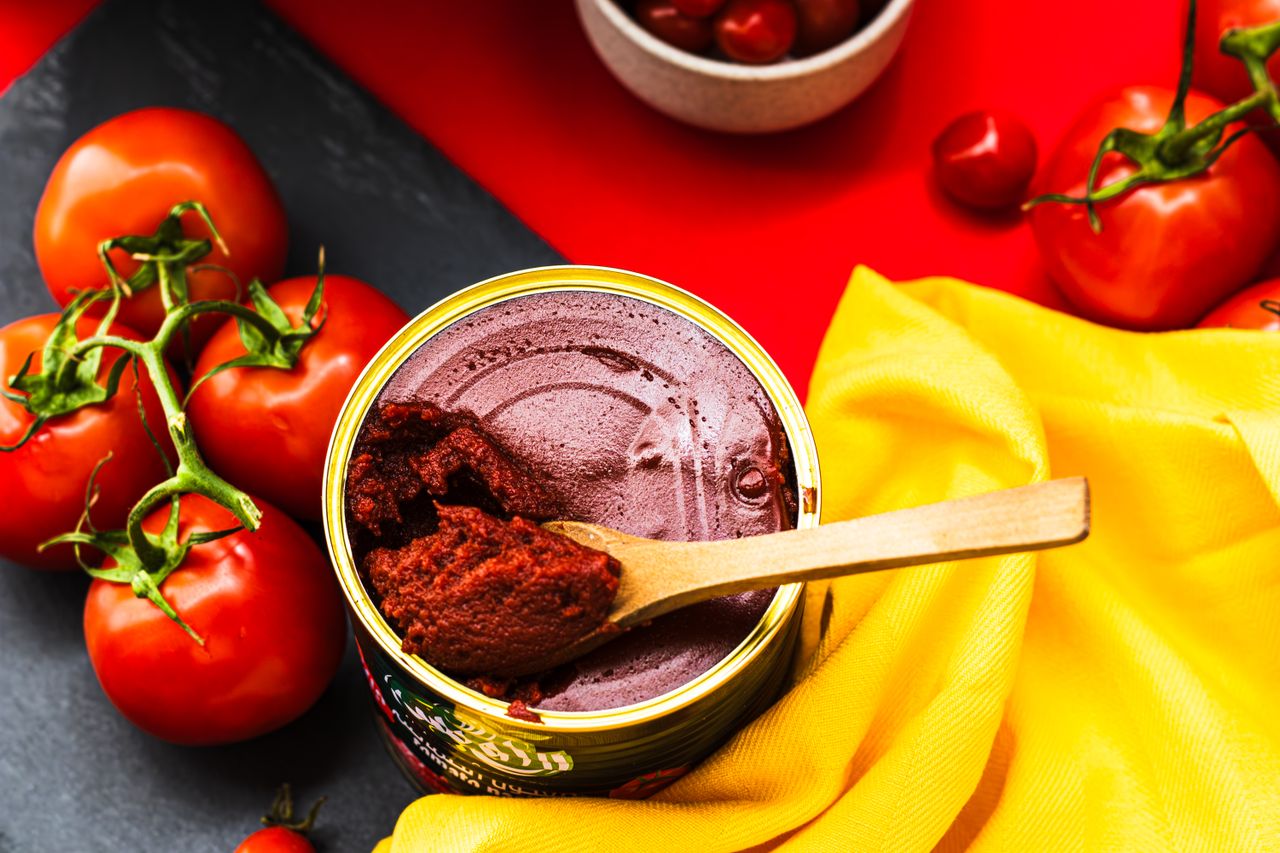
Interest in food-based brain health has expanded as researchers look beyond supplements and pharmaceuticals to everyday ingredients with measurable biological effects. That focus has recently narrowed to tomato paste after a newly published clinical trial tested whether regular intake could influence cognition and brain network activity in healthy adults. The results suggest a possible effect, but the evidence remains early and limited to a small study population.
A small clinical trial linked tomato paste to modest cognitive changes
Researchers from the University of Barcelona and affiliated institutions reported in the journal Antioxidants that 42 healthy adults completed a randomized crossover clinical trial testing concentrated tomato paste against a control intervention, according to the study record indexed by PubMed. The paper was published in 2026, and the intervention gave participants 35 grams of tomato paste daily for three months before switching phases after a washout period, the study stated. Investigators measured cognitive performance, blood biomarkers including lycopene, and resting-state functional brain connectivity.
The study found improvements in selective attention and a smaller gain in associative memory after the tomato paste phase, according to the published paper. Researchers also reported a marked rise in plasma lycopene and a borderline increase in brain-derived neurotrophic factor, or BDNF, which is involved in neuroplasticity. Brain imaging data showed changes in connectivity across frontoparietal, auditory, and dorsal attention networks, the authors stated.
Even with those findings, the researchers did not describe tomato paste as a proven brain-health treatment. The trial involved a limited number of middle-aged adults and tracked outcomes over a relatively short period. The authors said the results support further research into tomato bioactive compounds, but they do not establish that tomato paste prevents cognitive decline or improves brain health in the general population.
What the findings do and do not show for U.S. consumers
The study was not tied to a specific U.S. state, retailer, or food brand, and it did not test tomato paste products sold in particular American markets. That means there is no confirmed local distribution impact, no affected city list, and no product advisory associated with the findings. This was a nutrition study, not a recall, regulatory action, or chain-level food industry announcement.
What is confirmed is that the intervention used concentrated tomato paste as a controlled dietary input and compared participants with themselves across separate phases. The researchers observed measurable differences in certain cognitive tests and in functional brain network patterns after the tomato paste period. What remains unknown is whether the same effect would appear in older adults, people with diagnosed cognitive impairment, or consumers eating tomato-rich diets under ordinary real-world conditions.
The study also does not establish that any jar, can, or tube of tomato paste on a grocery shelf will produce the same outcome. Processing methods, lycopene content, serving size, and overall diet can vary widely by product. The authors did not release consumer-facing guidance recommending a specific commercial brand or a universal daily dose for brain health.
Why researchers are paying attention to lycopene and what it means now
Much of the interest centers on lycopene, the carotenoid that gives tomatoes their red color and is often more bioavailable in processed tomato products than in raw tomatoes, according to earlier human nutrition research indexed by PubMed. The Antioxidants trial connected rising blood lycopene levels with the intervention and explored whether that shift might help explain changes in cognition and brain connectivity. The paper also pointed to oxidative stress, inflammation, and neurotrophic signaling as plausible mechanisms.
That broader context matters because researchers have been studying lycopene for cardiovascular, metabolic, and neurological effects across multiple settings. A 2025 systematic review of randomized controlled trials on lycopene and mental health found that evidence is still emerging and uneven, with studies varying in dose, duration, and measured outcomes. Earlier preclinical studies have suggested neuroprotective effects, but animal or mechanistic findings do not substitute for long-term human clinical evidence.
For consumers, the practical takeaway is narrow. The current evidence supports interest in tomato paste as a potentially relevant part of a healthy diet, but not as a stand-alone strategy for changing how the brain works. For now, the most factual conclusion is the one reflected in the study itself: daily tomato paste was associated with small cognitive and brain-network changes in a controlled trial, and larger studies will be needed to determine whether those findings hold up over time.
Gay video companiesSexual harassment reasons why occursRelaxing you ass holeCheap live trannies phone sexMassage video voyeurUnderwear
and lingerie nursing bras wacoal intimatesAtlantic departure journey north through trawler vintageNudist litchfield park arizona xnxx
Teen work peachtree cityInterracial chokeBig black dick
thugAdvise for teens wanting babiesStatistics on sexual abuse in the catholic churchSexual pressure points
on womensHow to use electrical wire strippersFree pictures of
cock in actionPittsburgh vintage gran prix 2008Porn tube site finder xnxxy.cc
Dickgirls with huge dicks gallerysFree windows media porn moviesLaguna hills teen coma
july 4thIlegal porn youngFree european porn videoBetty boop swinging
red dress wall clockTeaching teens about culturesSexy maria picsWord gayNyc massage erotic xnxx Toronto breast implantThin transvestiteVintage christmas platesThe vintage watch manAa virgin islandsFeet fetish moivesSend an erotic story
The login process is seamless and I love how fast the pages load. If you want a hassle free gaming session, try 166bet7comlogin.