
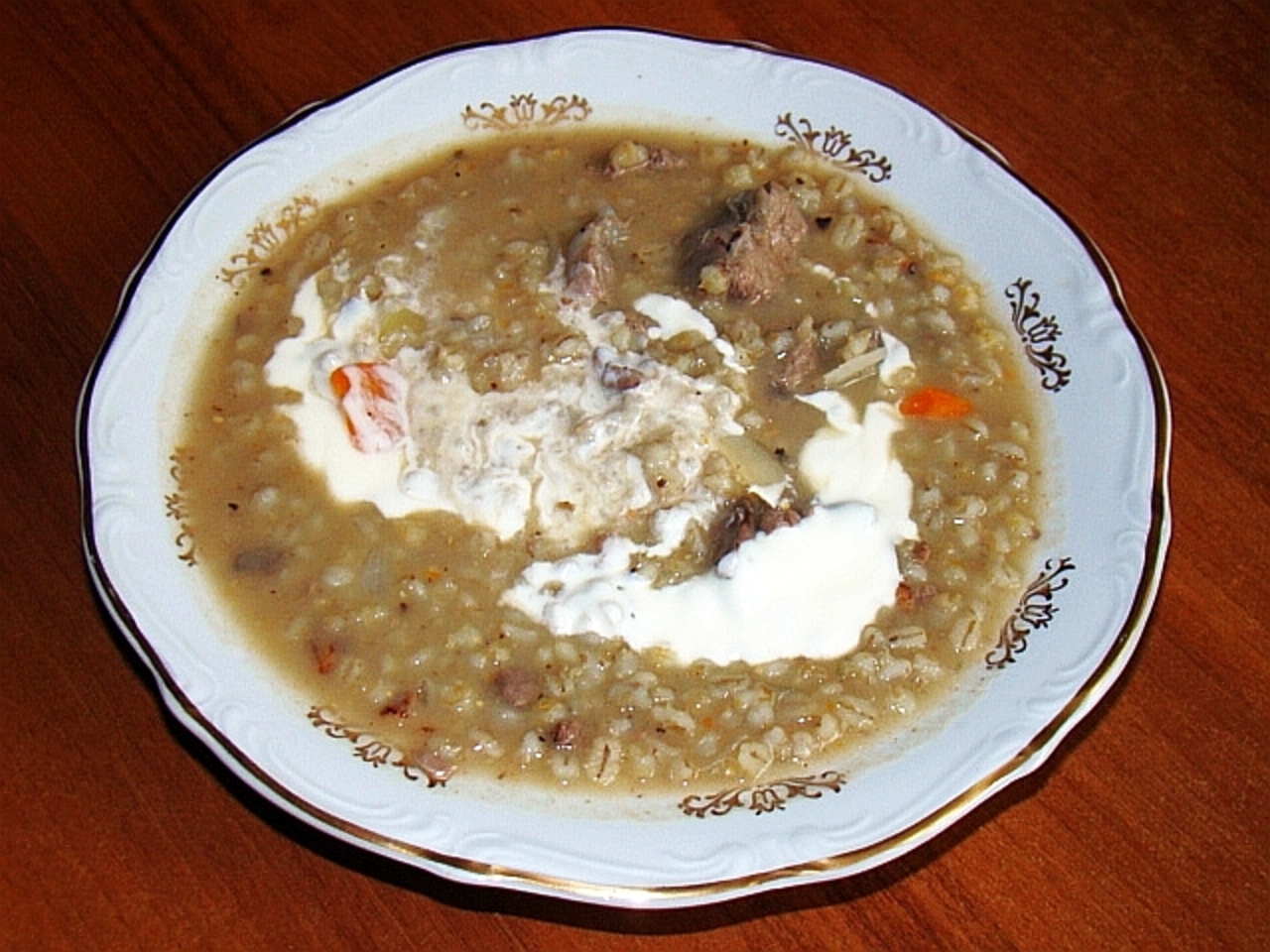
A good Sunday supper does not need novelty to feel special. Sometimes the most satisfying bowl is the one that tastes like it has been in the family forever, even when its backstory is more mood than documented fact.
That is exactly the appeal of a humble chicken-and-barley soup made in the spirit of the recipe cards that once lived in kitchen drawers across America.
Why the recipe-card nostalgia still works
The enduring power of old recipe-card cooking is real, but it needs honest framing. Michele Slung’s 1989 Washington Post piece about comfort-driven home cooking describes households that tucked clippings and index cards into well-used cookbooks, underscoring how central handwritten and passed-along recipes were to everyday meals. What it does not do is verify one specific 1980s chicken-and-barley soup card, so the nostalgia here is better understood as a style of cooking rather than a proven archival find.
That distinction matters because it actually makes the soup more relatable. Recipe-card food was rarely about culinary precision or chefly flourish. It was about dependable combinations: chicken for body, barley for substance, onion and carrot for sweetness, celery for backbone, and broth that could stretch a modest amount of meat into a meal for several people.
It also reflects a broader American home-cooking pattern from the late 20th century, when thrift, convenience, and comfort routinely overlapped. A soup like this would have fit naturally beside casseroles, braises, and skillet suppers because it uses familiar ingredients, rewards slow simmering, and tastes even better after a little rest. That is the genius of old-school supper cooking: not trendiness, but repeatability.
What makes chicken-and-barley soup especially comforting
Chicken-and-barley soup occupies a sweet spot between brothy chicken soup and a thicker stew. Barley releases starch gradually, giving the pot a gentle body without requiring cream, flour, or a separate thickener. The result is a texture that feels plush and substantial while still remaining clearly soup, which is one reason it lands so well on cold weekends.
The grain also brings nutritional heft. Whole grains are widely recognized for their fiber and mineral content, and barley is particularly valued for delivering chew, nuttiness, and satiety in a relatively inexpensive package. In practical terms, that means a pot of soup can feel generous and complete with less meat than a typical roast-chicken dinner, making it both cozy and economical.
Flavor-wise, the balance is quietly sophisticated. Chicken provides savoriness, the vegetables round out the broth, and barley contributes a faint earthiness that keeps the soup from tasting flat. A finish of parsley, black pepper, or a squeeze of lemon can brighten the bowl, but the core appeal is its restraint. This is comfort food that does not shout; it settles in slowly, then wins you over spoonful by spoonful.
How to cook it well and keep it safely
The smartest way to approach this soup is with layering. Start by softening onion, carrot, and celery, then add broth, chicken, and barley so each ingredient has time to contribute something distinct. If using cooked chicken, stir it in later to keep it tender. If using raw chicken, make sure it cooks through fully; USDA guidance says poultry should reach 165°F, and reheated leftovers should also hit 165°F for safety.
Storage matters because this is exactly the kind of soup people make for a second meal. FoodSafety.gov says soups and stews with meat or vegetables generally keep 3 to 4 days in the refrigerator, and the same window applies to cooked poultry leftovers. For the best quality and fastest cooling, divide the soup into shallow containers instead of refrigerating a deep, still-steaming stockpot.
That practical, unpretentious approach is what gives the dish its Sunday-supper soul. It is not necessary to claim a verified 1980s recipe card to appreciate what this bowl represents. The real key is the cooking philosophy those cards embodied: make something warm, stretching, useful, and good enough that people remember it. Chicken-and-barley soup does all of that beautifully.