
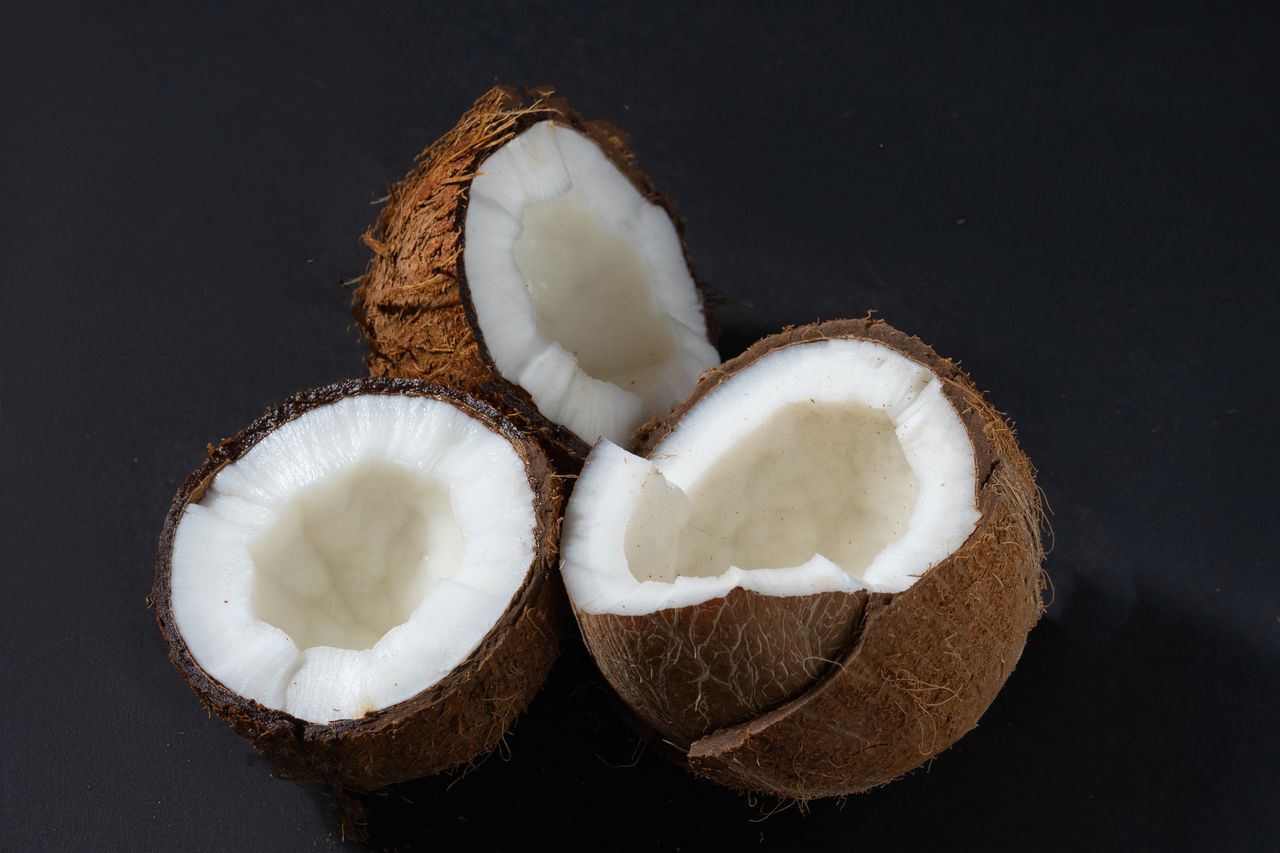
The FDA’s label guidance changed coconut’s place on packaged foods in the U.S. On January 6, 2025, the agency published updated food allergen guidance saying coconut is no longer considered a major food allergen within its tree nut list, a shift that can change what shoppers see in a “Contains” statement.
What the FDA changed on coconut labels
The change applies to FDA-regulated packaged foods, not to whether coconut can trigger an allergy. In the FDA’s fifth edition of its food allergen labeling guidance, coconut was removed from the tree nut list the agency considers major food allergens for labeling purposes. The agency’s FAQ, updated October 29, 2026, says coconut should no longer appear in a “Contains” statement because that statement is reserved for major food allergens.
That means a package can contain coconut and still have no coconut callout in the short allergen line beneath the ingredients. The FDA says coconut still must appear in the ingredient list by its common or usual name when used as an ingredient, unless an exemption applies. One FDA example is natural coconut flavor, which may appear simply as “natural flavor.”
This is guidance on labeling, not a ruling that coconut allergy is impossible or that coconut is safe for people who avoid it. The FDA says the update only affects the applicability of its major food allergen labeling requirements. Tree nuts such as almonds, cashews, pecans, pistachios, and walnuts remain on the list of major allergens for these purposes.
How this could affect grocery shopping
For shoppers who avoid coconut, the practical change is simple: read the full ingredient list every time. The FDA tells consumers not to rely only on a “Contains” statement, because not every allergen-containing product has one. If a “Contains” statement is present, it must list major allergens used as ingredients, but it is not a complete list of every food that could cause an allergy for every person.
That matters even more now that coconut may be absent from the allergen line even when it is in the product. Ingredient terms such as coconut milk, coconut cream, or shredded coconut would still signal that coconut is present. A missing coconut warning in the “Contains” line is not a coconut-free claim.
The FDA also draws a clear line between “Contains” statements and voluntary advisory wording such as “may contain” or “produced in a facility.” Those advisories are about possible unintended allergen presence, not confirmed ingredients. Their absence does not guarantee a product is free of coconut or another allergen of concern.
What shoppers and home cooks should do now
If coconut is something you need to avoid, the FDA’s advice points to a more careful label routine. Check every package, including foods you have bought before, because ingredients can change at any time. If the source of a flavor matters, contact the manufacturer or distributor listed on the label before eating the product.
This also means “tree-nut-free” and “coconut-free” should not be treated as interchangeable ideas. Because coconut is no longer on the FDA’s major tree nut list, a tree nut claim may not answer the coconut question. The package may still require a closer look, especially for pantry staples, nondairy alternatives, desserts, baking ingredients, and snack foods where coconut ingredients are common.
For home cooks, the update is a reminder that the ingredient list is the most useful tool in the aisle. The label category changed, but an individual allergy did not. If someone has reacted to coconut or has been told to avoid it, the safest next step is to follow their clinician’s advice and use product-specific label checks rather than assuming the old allergen shorthand still covers coconut.
Best Crypto Presales looks at how historical crypto presales performed after launch. The catalogue connects entry prices with peak returns and what happened later.
https://best-crypto-presales.com/