
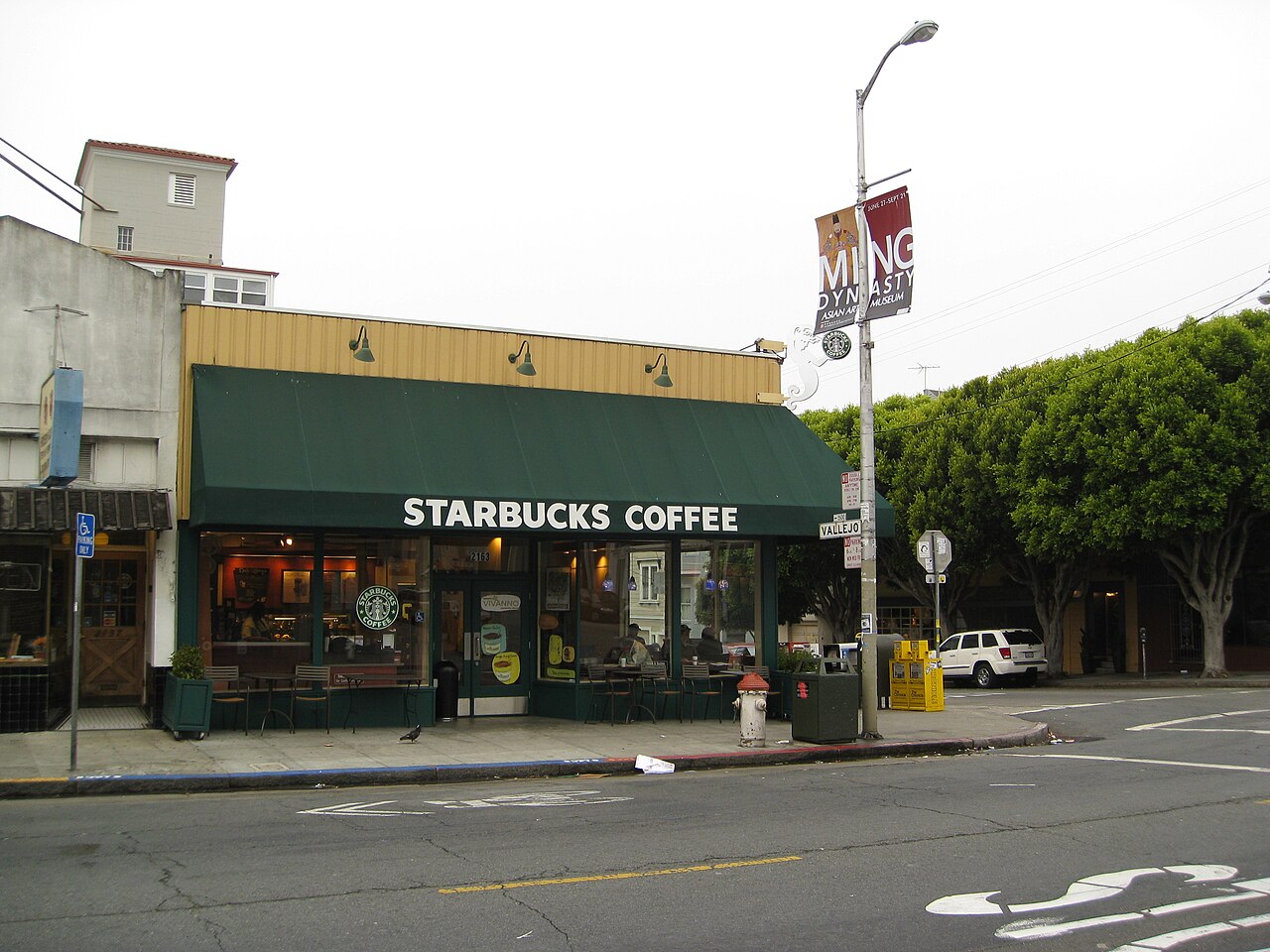
California has the most Starbucks locations in the country, but it is not the state with the heaviest Starbucks presence per resident. A July 2026 snapshot based on StoresInfo directory data shows the chain’s footprint is especially concentrated in Western states, with Nevada leading the nation on a per-capita basis.
California Leads by Volume, but the Ranking Changes Fast
The raw store-count list looks familiar at the top. According to StoresInfo’s July 2026 state-by-state Starbucks directory, California has 3,045 locations, more than double Texas at 1,483. Florida follows with 925, then New York with 721 and Illinois with 709.
Washington stands out in the total-count ranking because it reaches 650 locations despite a much smaller population than many states below it. Arizona also ranks high at 595 stores, followed by Ohio at 522, North Carolina at 514, and Virginia at 502. Those figures come from StoresInfo’s July 2026 count of open Starbucks locations drawn from the retailer’s own store locator.
That broader count covered 16,737 Starbucks locations across the 50 states and Washington, D.C., according to the NewsBreak article and the matching Coconut Mama report based on the same dataset. Starbucks itself says it has more than 29,000 retail stores in 78 markets worldwide, which helps explain why the U.S. map is still one of the most closely watched pieces of the company’s footprint.
Nevada, Washington, and Colorado Rise on a Per-Capita Basis
Once population is factored in, the leaderboard changes sharply. Using U.S. Census Bureau July 1, 2025 state population estimates, the July 2026 analysis found Nevada first with 311 locations, or 9.48 Starbucks stores per 100,000 residents.
Washington ranked second at 8.12 per 100,000 residents, followed closely by Colorado at 8.08. Arizona posted 7.80, and California still placed fifth at 7.74, which is notable given the sheer size of its population and total store base. Oregon, Hawaii, Virginia, Illinois, and New Mexico rounded out the top 10 per-capita list.
The biggest takeaway is geographic concentration. Texas and Florida rank second and third in raw store totals, but they drop out of the top 10 when adjusted for population. That suggests Starbucks is not simply following state size. In this snapshot, the brand appears especially dense across the West, where even smaller states such as Oregon, Hawaii, and New Mexico make the top tier by resident share.
What the Numbers Mean for Coffee Drinkers and Shoppers
For customers, a dense store map usually means easier access to grab-and-go drinks, packaged coffee, and food items without going far out of the way. It can also shape how visible a chain feels in day-to-day life. A state with fewer total stores can still feel saturated if those stores are packed into a smaller population base.
There is one important limit to the ranking. StoresInfo says its counts were collected from Starbucks’ own store locator and refreshed in July 2026, but it also notes totals can shift as cafes open, close, or change format. That means this is a snapshot of recorded distribution at that time, not a live verified count for late October 2026.
It is also worth separating state rankings from companywide growth claims. Different location databases can show different totals depending on when they were updated and which formats they include. In this case, the state-by-state comparison is most useful as a picture of where Starbucks is most concentrated, and that picture points clearly westward, with a few surprise states climbing higher than many coffee drinkers might expect.