
Cruise ships feed thousands of people a day with astonishing precision. That scale is impressive, but it also explains why some dishes are far riskier bets than others.
The weakest orders are usually not “bad” foods. They are foods that suffer from buffet holding, mass production, delayed delivery, or inherently higher food-safety risk.
Why certain cruise dishes are trouble from the start
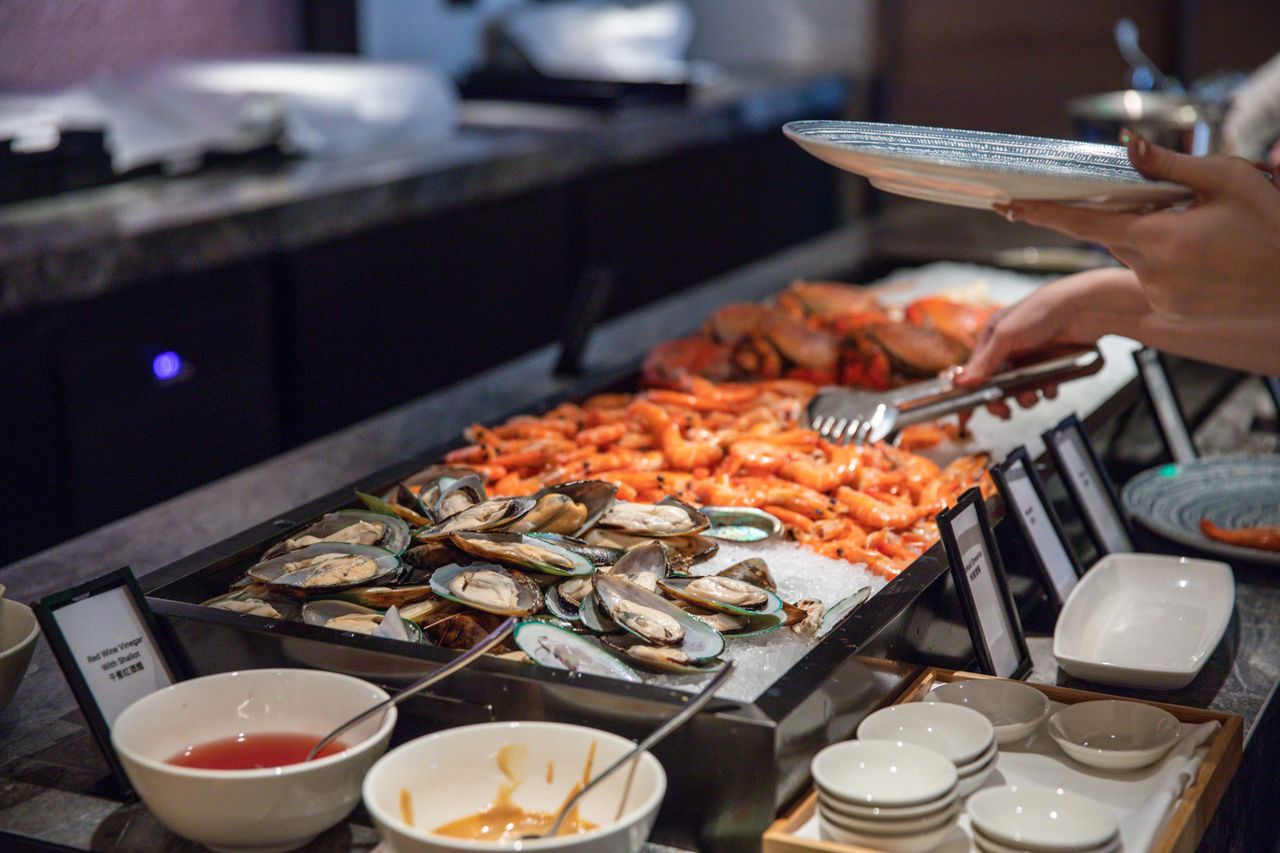
The first group includes raw oysters, buffet sushi, and any shellfish sitting too long on ice. The CDC says norovirus remains the leading confirmed cause of cruise ship gastrointestinal outbreaks, and its travel guidance notes that raw shellfish, especially oysters, are a frequent source because they can concentrate contamination from the water they came from. On a ship, chefs know one questionable oyster is not just a bad bite; it can become a voyage-wide problem.
Another soft target is anything built around raw or lightly cooked eggs. Think hollandaise-heavy eggs Benedict, Caesar dressing made the old-fashioned way, or desserts relying on undercooked egg mixtures. USDA food-safety guidance specifically flags Hollandaise and similar egg-based foods as higher risk when not thoroughly cooked, which matters on cruises because breakfast service is fast, repetitive, and often held for volume rather than plated one order at a time.
Then there are sprouts and rare proteins. FDA guidance says raw sprouts are a distinct food-safety concern because the warm, humid conditions that help them grow also help pathogens thrive, and the agency continues to investigate sprout-linked outbreaks, including a Salmonella case announced in September 2026. Add very rare steak to that list for a different reason: USDA says whole cuts should reach 145 °F with a 3-minute rest, but on a busy ship the gap between “rare,” “safe,” and “sent back” can create headaches chefs would rather avoid.
The dishes that disappoint because mass service ruins them
A second cluster of problem orders has less to do with danger and more to do with quality collapse. Fried seafood platters, room-service fries, and late-delivered burgers are classic examples. Food that depends on a crisp exterior and immediate service deteriorates fast under heat lamps, in covered trays, or during elevator rides to cabins. Even strong cruise reviews often separate the best made-to-order venues from buffet or broad-service items that lose temperature and texture quickly.
The same logic applies to lobster on the main dining room menu, buffet carving-station steak, and banquet-style risotto. Cruise Critic’s specialty dining coverage repeatedly draws a distinction between extra-fee restaurants and standard included venues, noting that specialty dining typically delivers higher-quality food and more careful execution. In plain terms, chefs know some premium-sounding dishes are more likely to shine in a smaller steakhouse or seafood venue than in a dining room serving hundreds of plates at once.
Eggs Benedict belongs here too, not only for egg safety but for sauce stability. Hollandaise breaks, poached eggs overcook, and toasted bases steam into softness while waiting in the pass. The dish is excellent when timed perfectly and deeply mediocre when produced in waves for a breakfast rush, which is exactly the environment cruise galleys are managing most mornings.
The 12 dishes chefs most hope you skip
Put it all together and the 12 dishes cruise ship chefs quietly hope you will not order are: raw oysters, buffet sushi, shellfish from a lukewarm buffet display, eggs Benedict, Caesar salad with raw-egg dressing, desserts made with undercooked egg mixtures, raw sprouts, very rare steak, fried seafood platters, room-service fries, main-dining-room lobster on mass-service nights, and buffet-carved steak. None is automatically terrible, but each is vulnerable in ways chefs understand better than passengers do.
That does not mean cruise food is unsafe or low quality overall. The CDC’s Vessel Sanitation Program exists precisely because cruise lines operate in a setting where food, water, and person-to-person illness risks must be managed aggressively, and ships are monitored closely when outbreaks occur. In fact, the high visibility of cruise outbreaks often reflects stricter reporting rather than uniquely sloppy kitchens.
The smarter play is simple: favor dishes cooked to order, served hot, and built for volume without losing integrity. Freshly grilled fish, pasta finished in front of you, omelets made at a station, braises, soups, and specialty-restaurant steaks usually survive shipboard service far better than delicate raw, fried, or sauce-sensitive plates. The best cruise diners do not chase the fanciest-sounding item; they order the one most likely to arrive at its peak.