
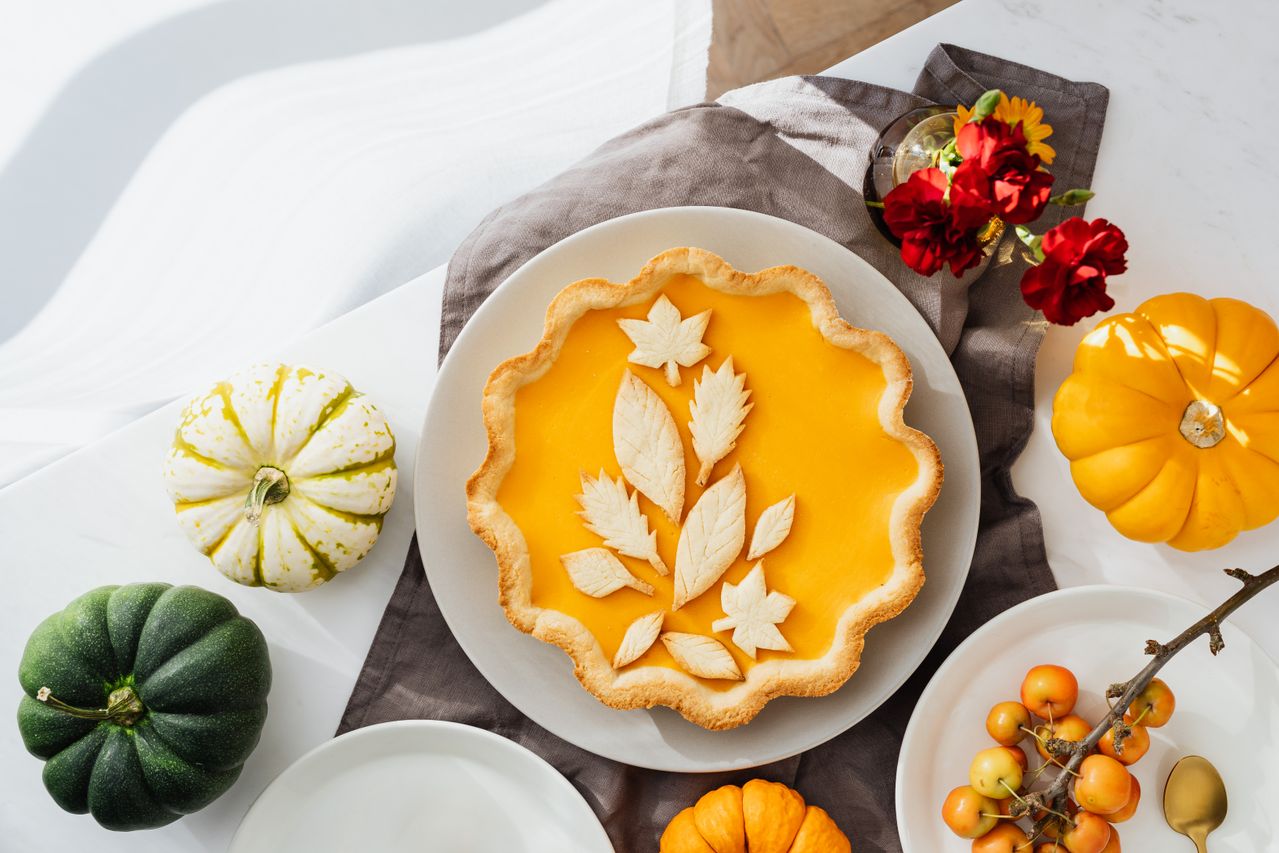
Thanksgiving pie is rarely just dessert. It is tradition, status symbol, nostalgia, and, increasingly, a subtle flex from hosts who know one pie is never enough.
That is why a dozen different pies are showing up on holiday tables this year. Not all 12 are national bestsellers, but together they reveal how Americans actually eat on Thanksgiving: loyal to classics, curious about regional standouts, and always ready for another slice.
The classics still dominate, but the pecking order is clear
The strongest evidence starts with pumpkin, and the gap is not small. Instacart’s Thanksgiving pie analysis ranks pumpkin as the nation’s leading holiday pie, followed by apple and pecan, with sweet potato and cherry rounding out the top five. That hierarchy matters because it separates true national staples from pies that feel familiar but do not have the same broad purchasing support.
Instacart’s data also shows how deeply seasonal the category is. In its latest holiday analysis, pumpkin pie’s share of items ordered on Thanksgiving Day 2025 jumped 3,439% versus its usual annual share, a surge that reflects last-minute demand rather than a niche craving. The report also noted sharp spikes in pie crusts, filling mixes, spices, and baking tools, underscoring how much pie still anchors the holiday kitchen.
Even the raw ingredients tell the same story. USDA Economic Research Service data shows U.S. pumpkin production reached 1.47 billion pounds in 2025, with Illinois alone producing about 533 million pounds. That scale helps explain why pumpkin remains the default ending to the Thanksgiving meal: it is culturally fixed, agriculturally abundant, and widely expected.
Regional favorites and fresh flavors are expanding the dessert table
After the top five, the pie story gets more interesting. Instacart’s broader rankings place berry, key lime, cream, peach, and peanut butter in the top 10, suggesting that Thanksgiving dessert is no longer a strictly old-school list of harvest pies. These are not all equal in national stature, but they are clearly earning space in carts and on tables.
Regional preference sharpens the picture. Instacart has found pecan pie especially popular in Texas, Mississippi, and Oklahoma, while sweet potato pie over-indexes in Georgia, Maryland, and North Carolina. French silk also stands out in parts of the Midwest, especially Illinois, Iowa, and Missouri, while cream pies show particular strength in Northeastern states such as Maine and Massachusetts.
That helps explain why editorial pie lists now stretch beyond the standard trio. A host might still lead with pumpkin, apple, and pecan, then add cherry, key lime, peanut butter, cranberry, chess, or French silk to signal personality. The key point is not that all 12 are equally established Thanksgiving favorites. It is that modern holiday tables are mixing verified classics with regional loyalties and crowd-pleasing curveballs.
Why hosts are leaning into variety this Thanksgiving
Circana’s 2025 Thanksgiving research offers the clearest reason pie variety matters: 97% of Thanksgiving dinners are eaten at home or at someone else’s home, and 28% of main Thanksgiving meals are consumed at another person’s house. In other words, many guests are not just showing up hungry. They are showing up ready to compare, compliment, and sample.
That dynamic rewards abundance and contrast. A dessert spread with only one pie can feel thin for a gathering that averages about eight people, according to Circana. A table with several styles, by contrast, lets hosts satisfy the purist who wants pumpkin, the traditionalist who wants apple, and the opportunist who suddenly decides a thin sliver of peanut butter or French silk would be a good idea too.
Food media is reinforcing that wider lens. Bon Appétit is currently featuring cranberry meringue pie as part of its holiday baking coverage, proof that tart, vivid, conversation-starting pies are moving into the seasonal spotlight beside caramel apple and custard classics. The result is a Thanksgiving dessert culture where the winners are not only the most popular pies, but the mix of pies that keeps guests circling back for one more forkful.