
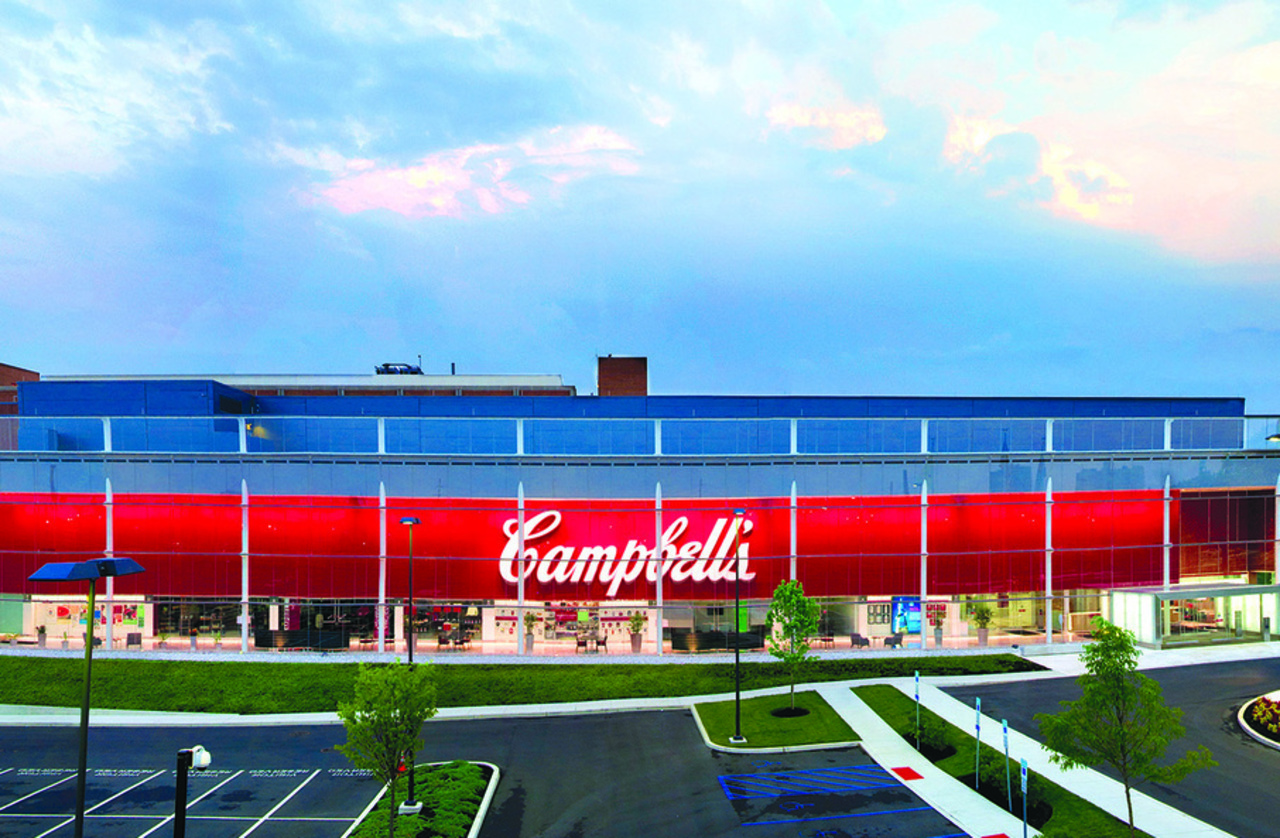
For food manufacturers across the U.S., consolidating production into fewer, larger plants has become a recurring strategy as companies push to lower costs and simplify supply chains. That national trend is now reaching Cape Cod, where Campbell’s has announced the permanent closure of the Hyannis plant that made Cape Cod Potato Chips and drew tourists for decades.
Campbell’s confirms the Hyannis plant will close in April
The Campbell’s Company announced on January 29, 2026 that it will close its Hyannis, Massachusetts, manufacturing plant in April and shift production to other facilities in its network. In the company’s statement, Campbell’s said the move is part of an ongoing effort to optimize its snacks supply chain and consolidate potato chip production. The company confirmed that 49 employees will be affected by the shutdown.
The Hyannis site has produced both Cape Cod Potato Chips and Kettle Brand chips, according to Campbell’s and regional news reports published the day of the announcement. Campbell’s said Cape Cod chips will continue to be sold, but they will no longer be made on Cape Cod itself. The company identified Wisconsin, North Carolina and Pennsylvania as the states that will take on production now handled in Hyannis.
The closure ends a manufacturing run that dates back more than 40 years. Cape Cod Potato Chips was founded in Hyannis in 1980, and the current plant has operated since 1985, according to Campbell’s and local reporting. For many visitors, the factory was also a destination, with public tours that once let tourists watch chips move through the production line and leave with sample bags.
What the shutdown means for Hyannis and Cape Cod
What is confirmed is narrow but significant: the affected facility is in Hyannis, and the layoff total attached to that location is 49 workers. Campbell’s said those employees will receive separation benefits, job placement support and guidance on accessing state assistance. Public reporting also tied the closure specifically to the longtime Cape Cod Potato Chips plant in Hyannis, a site closely associated with the brand’s local identity.
The company has not released a broader Massachusetts list of other affected facilities because the announced closure centers on this single Hyannis plant. Public reports identified the operation as being on Ridgewood Avenue in Hyannis, while older state and industry materials have tied Cape Cod Potato Chips operations to Hyannis more generally. Campbell’s has not announced any replacement production site within Massachusetts.
For Cape Cod, the impact is larger than the headcount alone because the plant also functioned for years as a visible tourist attraction. Local outlets reported that factory tours stopped during the COVID-19 pandemic and did not return before the closure announcement. That means a well-known visitor stop had already faded from public access before Campbell’s made the decision to end production there entirely.
Why Campbell’s says the closure no longer makes economic sense
Campbell’s attributed the shutdown to economics and network efficiency. The company said the Hyannis plant now produces only about 4% of the total annual volume of Cape Cod Potato Chips, and that the site “no longer makes economic sense” for the business. Campbell’s Snacks President Elizabeth Duggan said the company made the decision after assessing how to strengthen operations and support long-term growth.
That explanation fits a broader pattern in packaged food manufacturing. Trade and business coverage of the announcement said companies across the sector have been consolidating production into larger plants to improve efficiency, especially as inflation, labor costs and softer consumer spending pressure margins. In this case, Campbell’s tied the move directly to its larger snacks network rather than to any announced change in the Cape Cod brand itself.
For customers, the immediate change is not product availability but where the chips are made. Campbell’s said Cape Cod chips will remain in the market even after the Hyannis plant closes in April 2026. What ends with the shutdown is the brand’s last manufacturing link to Cape Cod and one of the region’s better-known food tourism stops.