
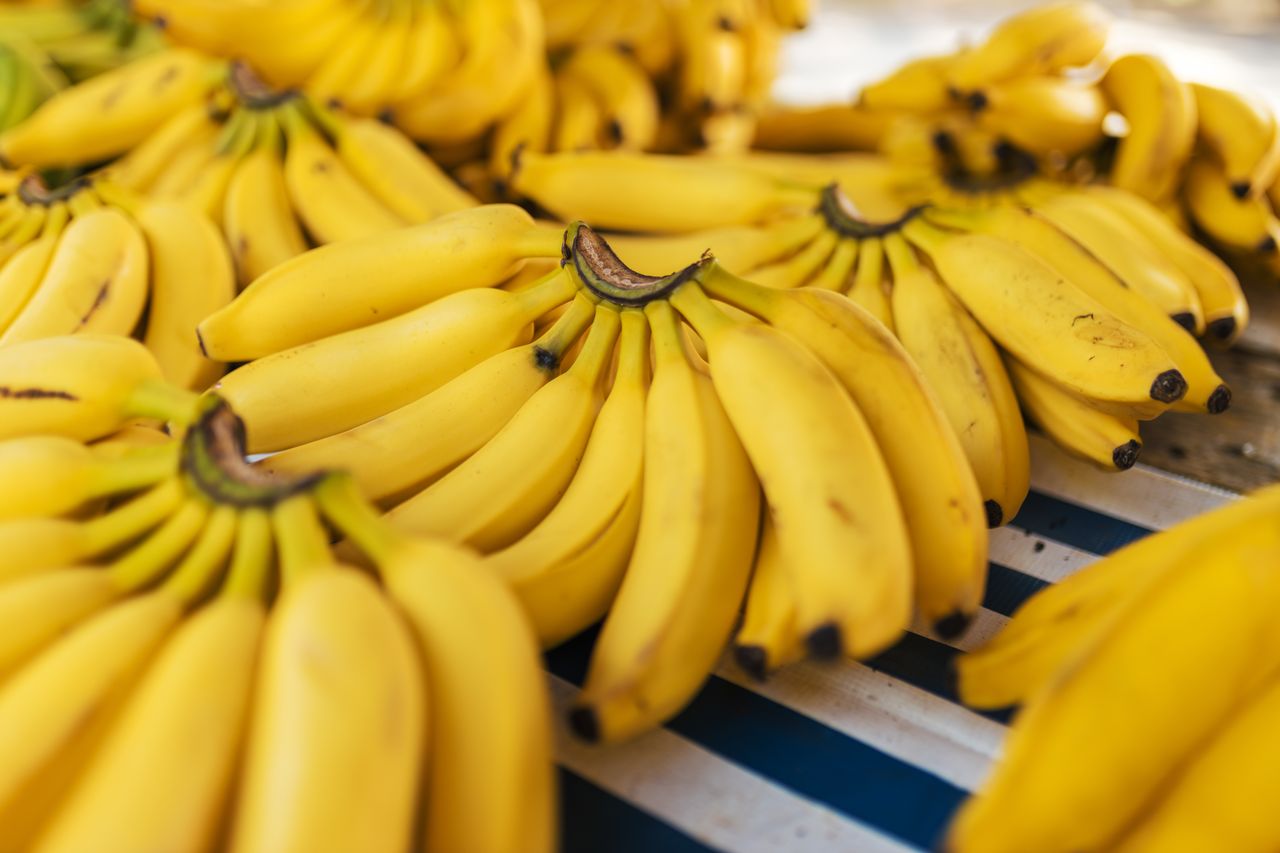
Tropic’s non-browning banana has cleared a key commercial hurdle overseas. On April 10, 2026, the U.K. agricultural biotechnology company said Japan and Brazil approved the fruit for import, sale, and consumption, while Brazil also cleared it for cultivation.
For shoppers and home cooks, the pitch is simple: a banana that looks like a standard Cavendish after peeling or slicing, but is designed to stay visually fresh longer. Tropic says that could make bananas easier to use in fruit salads, breakfast pots, and other prepared foods that usually discolor fast.
What Japan and Brazil approved
Tropic announced the approvals on April 10, 2026, and said they allow the banana to be imported, sold, and consumed in both Japan and Brazil. The company also said the fruit can be grown in Brazil, which matters because Brazil is both a major producer and a major consumer of bananas.
The company framed the two decisions as a milestone for a product it says is already part of a broader international regulatory push. According to Tropic, its banana products now have regulatory determinations, notifications, or exemptions in eleven countries, including the United States, Canada, and the Philippines.
That does not mean the banana is suddenly on shelves everywhere. Regulatory approval and commercial rollout are not always the same thing, and availability can vary by market, importer, and supply chain plans. Tropic’s own announcement focused on the legal clearance in Japan and Brazil, not a specific store launch schedule for consumers in those countries.
What was changed in the banana
Reporting from The Guardian says Tropic used CRISPR-Cas9 to alter all three copies of one gene in the Cavendish banana, reducing production of the browning enzyme polyphenol oxidase. That is the enzyme tied to the quick browning people see when a banana is peeled, sliced, or bruised.
Tropic says the result is a banana with the same taste and texture consumers expect, while staying fresh-looking longer after cutting. Food and lifestyle coverage published October 8, 2026, similarly reported the company’s claim that the fruit stays firm and yellow after peeling and slicing while retaining the taste, texture, and aroma of a standard Cavendish banana.
The waste-reduction claims need careful wording. Tropic has said the banana could cut food waste and carbon dioxide emissions along the supply chain by more than 25%, but that is the company’s estimate, not a measured result from broad commercial use across multiple markets.
Why the U.K. update matters too
The banana picked up another notable regulatory milestone in England on September 25, 2026, when Defra published a precision-bred organism marketing notice for a banana plant under reference PBM/26/MUAC/001. That confirmed precision-bred status under England’s framework, but it did not equal final food market authorization.
The Guardian reported on September 28, 2026, that this precision-bred status is only one of two major requirements before the product can be placed on the market in England. The next step is review by the Food Standards Agency, which handles food authorization. As of that report, no precision-bred organisms had been granted market authorization for sale in England.
That distinction matters because headlines can make the fruit sound closer to checkout lanes than it is. The U.K. development shows the banana is moving through a newer regulatory system, but the Japan and Brazil approvals remain the clearest confirmed green lights for import, sale, and consumption right now. The broader appeal is easy to see: The Guardian, citing a government study, reported that about 1.4 million edible bananas are thrown away every day in Britain alone.