
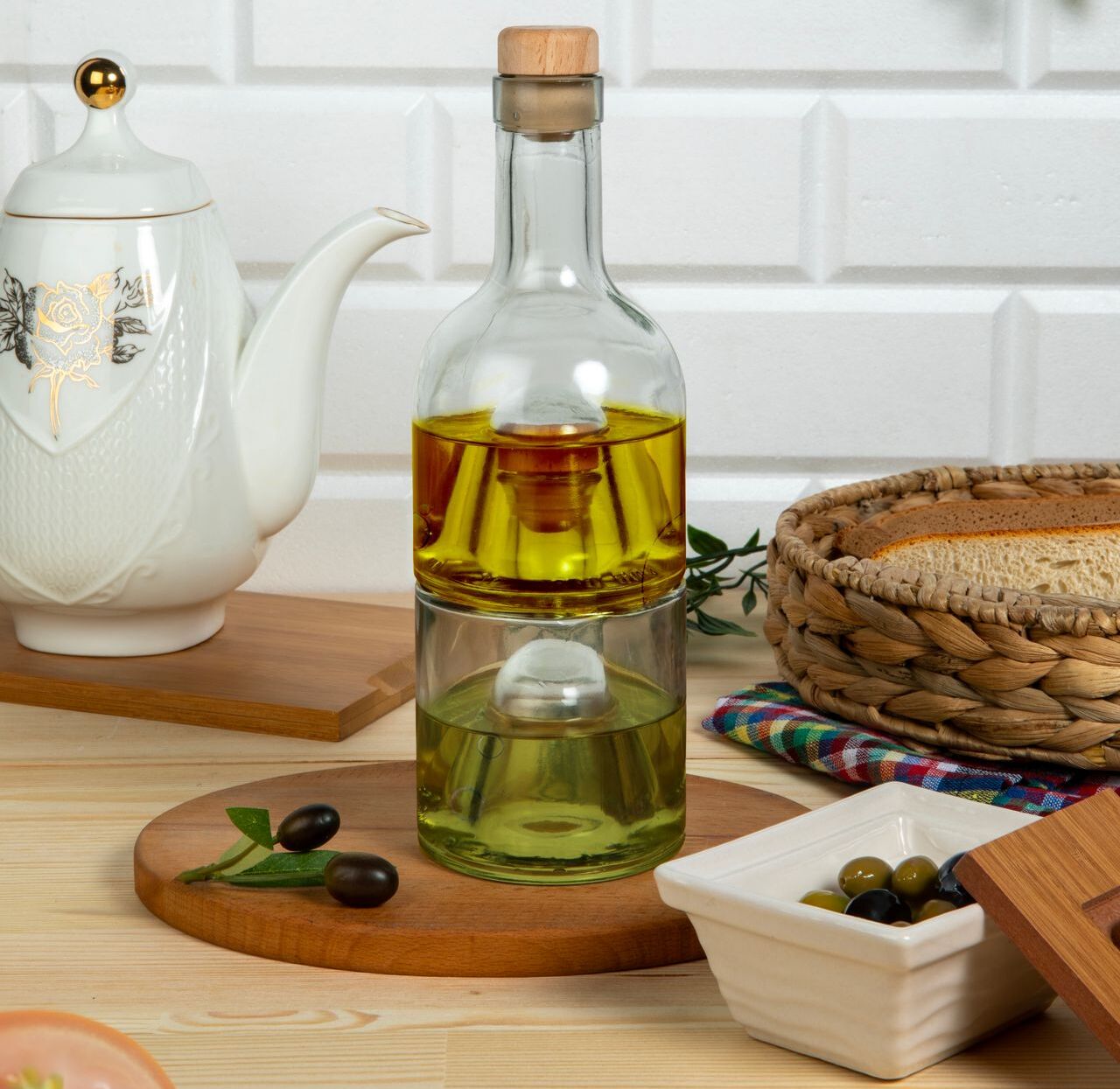
It sits on the counter looking timeless. But olive oil is far less immortal than most home cooks assume.
What usually ruins a bottle is not one dramatic mistake. It is a trio of ordinary habits that slowly push a good oil toward staleness, bitterness, and rancidity.
Leaving It in Light That Speeds Up Oxidation
One of the most common ways people shorten olive oil’s life is by storing it where it looks attractive rather than where it stays protected. A clear bottle beside the stove or near a sunny window may feel convenient, but light is one of olive oil’s biggest enemies. The International Olive Council says quality is best preserved when oil is kept away from light, and UC Davis research materials make the same point: light accelerates the loss of freshness.
This is why packaging matters more than many shoppers realize. UC Davis notes that metal containers block light completely, while dark glass reduces light penetration better than clear bottles. That helps explain why premium oils are often sold in tins or deeply tinted glass rather than display-friendly transparent bottles.
The damage is gradual, which makes it easy to miss. Olive oil does not always scream that it has gone bad; instead, it loses the grassy, peppery, fruity notes that define fresh extra virgin olive oil. Over time, what remains can smell dull, waxy, or stale. Some experts compare rancid oil’s aroma to crayons or old nuts.
The practical fix is simple: store olive oil in a cool, dark cupboard and buy packaging designed for protection, not just appearance. If a bottle lives in direct kitchen light for weeks, quality can slip long before the printed date suggests trouble.
Keeping It Too Close to Heat
The second habit is storing olive oil where cooking happens. Many households keep the bottle next to the range for speed, but heat steadily works against the oil’s stability. The International Olive Council warns against excessive heat, and USDA guidance on olive oil handling notes that oxidative deterioration is accelerated by high temperatures, especially above 92°F.
That matters because the area around a stove is rarely as mild as people think. Repeated bursts of heat from burners, ovens, toaster ovens, and even dishwashers create a warm microclimate. A bottle may not feel hot to the touch, yet daily exposure can still hasten flavor loss and nutrient decline.
There is also a persistent misconception that all olive oil is too delicate for cooking, which distracts from the real issue. UC Davis points out that good-quality extra virgin olive oil has strong cooking properties thanks to antioxidants that help resist heat during normal use. The bigger problem is prolonged storage in a hot spot, not using the oil sensibly in a pan.
A better routine is to decant a small working amount into a bottle for daily cooking and keep the rest in a darker, cooler cabinet. That way convenience does not come at the cost of a whole bottle’s freshness.
Letting Too Much Air Into the Bottle
The third habit is opening a bottle and then keeping it for months while the empty space inside grows larger. Once olive oil is exposed to oxygen, oxidation speeds up. UC Davis olive oil guidance says the process moves faster after opening, and International Olive Council storage recommendations specifically advise limiting headspace because the air in the container accelerates deterioration.
This is where oversized bottles become a trap for smaller households. Buying in bulk can seem economical, but if that oil sits half-full for a long stretch, you may be saving money only to pour faded oil over salads weeks later. USDA consumer guidance says unopened olive or vegetable oil can be kept in the pantry for about four months, but opening changes the equation because oxygen immediately enters the picture.
You do not need laboratory equipment to spot the result. Fresh olive oil should smell lively and taste clean, sometimes peppery or slightly bitter in a pleasant way. If it starts tasting flat, waxy, stale, or oddly greasy, oxidation may already be well underway.
The smartest move is to buy a bottle size you can finish relatively quickly, recap it tightly after each use, and avoid treating olive oil like a forever ingredient. It is shelf-stable, yes, but it is still a fresh product with a clock that starts ticking the moment light, heat, and air take over.