
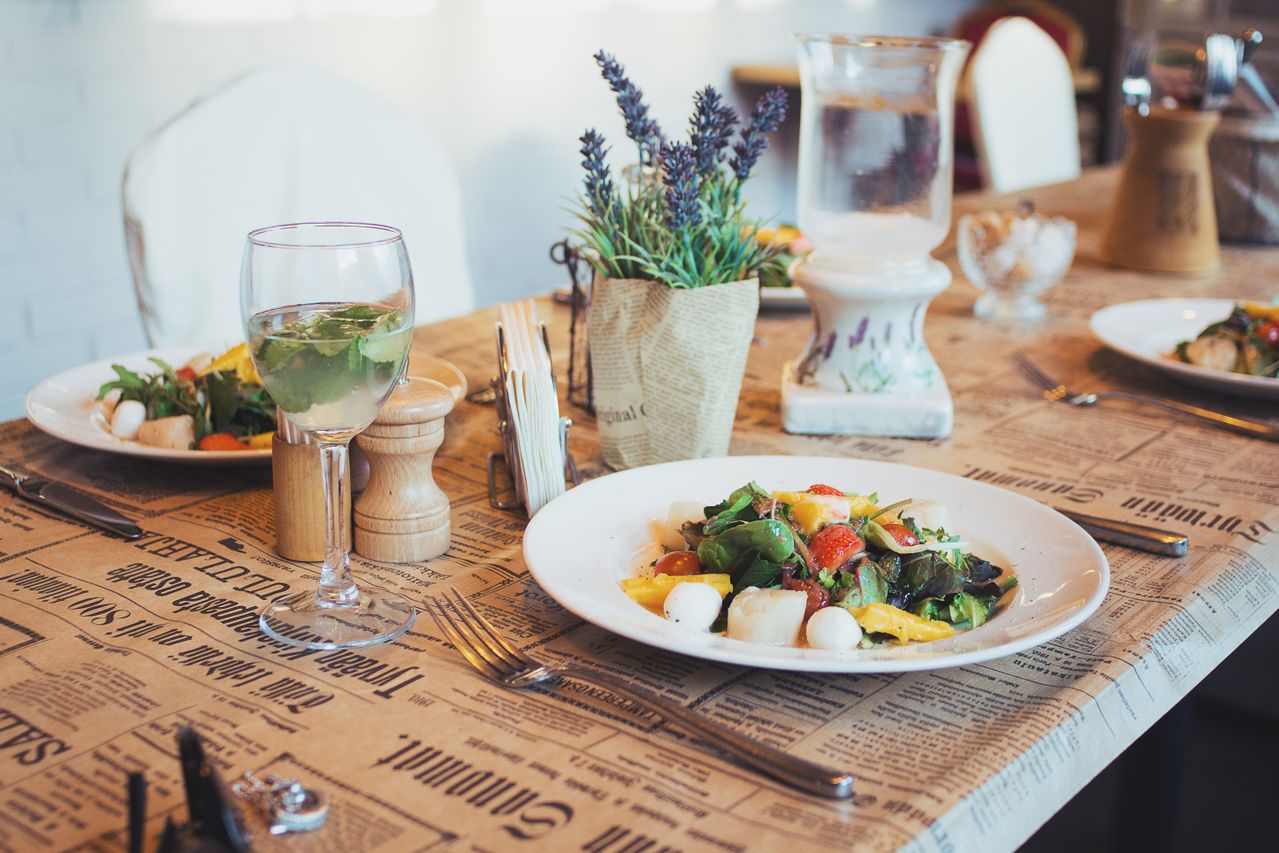
A glass of water at the table does not need a grand health promise to earn its place. In a home kitchen, it can simply make a meal feel more comfortable, more flexible, and easier to enjoy.
Why Water Still Belongs on the Table
The strongest case for table water is practical, not scientific. Water gives diners a neutral drink that works with almost any meal, from toast and eggs to roast chicken, rice bowls, soups, and spicy pasta. It can help clear the palate between bites and offer a break when a dish feels salty, rich, hot, or dry.
That matters with foods that naturally ask for a sip now and then. Bread, crackers, roasted meats, rice, and spicy dishes can all feel easier to eat when water is close by. This is not a proven metabolism trick or appetite hack. It is basic table comfort, and sometimes that is reason enough.
There is also a simple hosting benefit. Setting out water means guests do not have to ask for something to drink the moment they sit down. A filled glass or a small pitcher on the table makes the meal feel prepared and welcoming, even when dinner is very casual.
At home, this can be especially useful on busy nights. If dinner includes several components, such as a protein, a starch, and vegetables, water is the one drink that fits everything without competing with the food. It is an easy default when you want the meal itself to stay the focus.
What the Research Does, and Does Not, Show
Claims about water and eating behavior often go further than the evidence. The source notes provided for this piece point to research that does not firmly support common statements such as water at the table making people eat less, feel fuller, or automatically slow down during meals.
One 2023 study in Appetite followed 44 adults eating pasta meals and found that greater water intake, and more switching between bites and sips, was associated with greater food consumption. That does not prove water causes overeating in everyday life, but it does undercut the idea that sipping water during a meal reliably reduces intake.
A scientific review of common obesity research beliefs also found little evidence that drinking water with or before meals increases satiety or reduces energy intake compared with other noncaloric beverages or no beverage. In other words, water may be a fine meal companion, but it should not be sold as a guaranteed appetite-control tool.
Research on drinking habits across countries has documented when and where people consume fluids, but that is different from proving that placing a glass beside a plate changes behavior in a predictable way. For a home cook, the safest takeaway is simple: keep water at the table because it is useful and pleasant, not because it promises a specific eating outcome.
Easy Ways to Make Table Water More Appealing
If plain water feels forgettable, small serving changes can make it more inviting without turning it into a project. Chill a pitcher before dinner, add plenty of ice if that is your preference, or serve still and sparkling options when guests are over. Temperature and presentation can matter more than fancy add-ins.
For a subtle upgrade, add sliced lemon, cucumber, or a few mint leaves. These are home style touches, not health boosters. The goal is to make water feel intentional enough that people are happy to pour a glass with dinner.
Placement helps too. Put the glass where it is easy to reach but not crowding the plate, and refill pitchers before sitting down. If you are serving a spicy meal, a crisp salad, crusty bread, or grilled meat, table water often does its best work by staying simple and available.
For everyday meals, that may be the most honest story. Water beside the plate is not a magic fix. It is a low effort table habit that supports comfort, hospitality, and a smoother meal from first bite to last.