
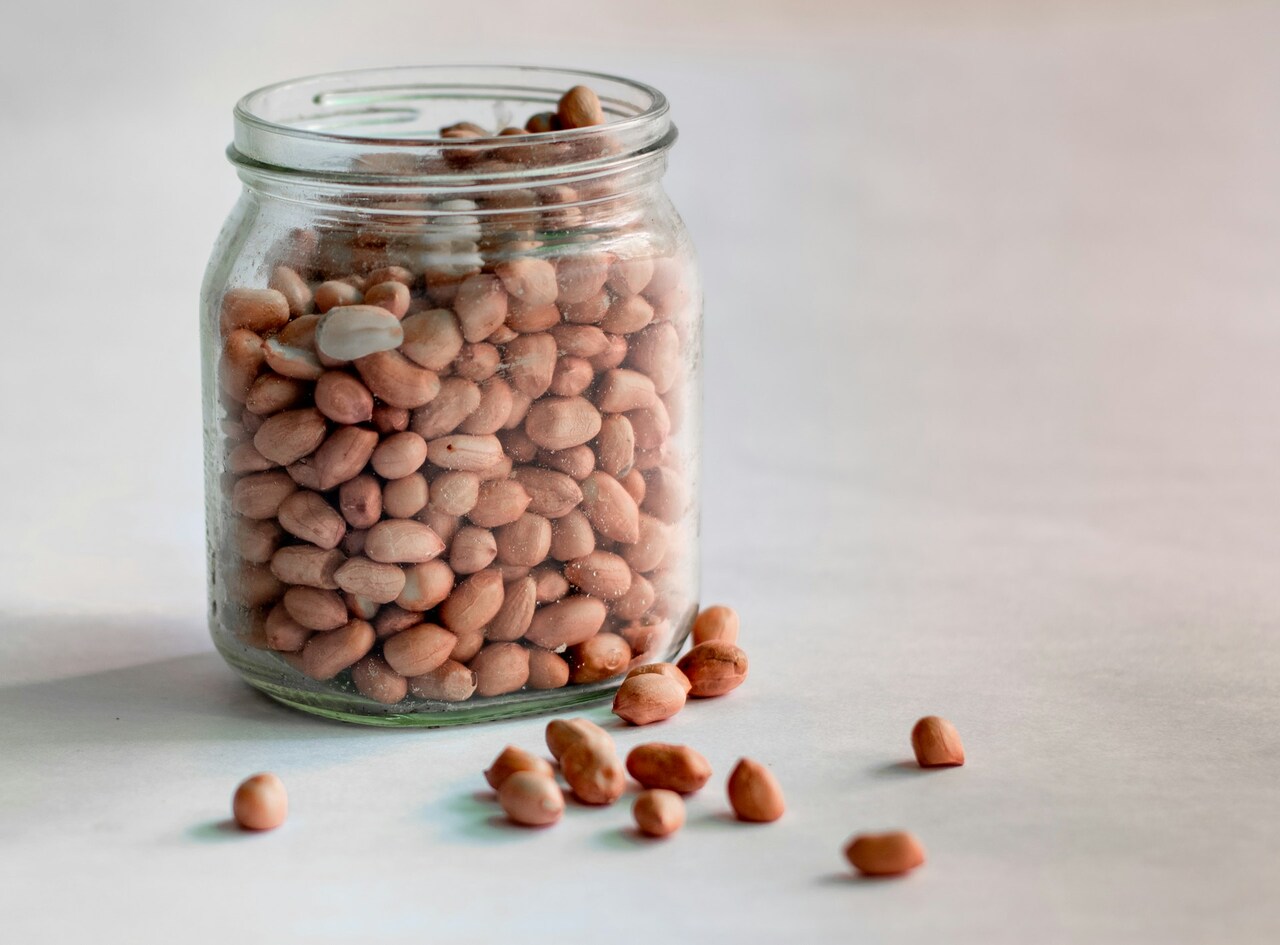
A new study is putting an everyday pantry snack back in the food science spotlight. Researchers reported on November 1, 2026, that older adults who ate unsalted, skin roasted peanuts every day for 16 weeks showed improved insulin responsiveness in brain regions tied to memory, according to study materials released through ScienceDaily.
What the new peanut study found
The research came from Maastricht University Medical Center in the Netherlands and was published in the peer reviewed journal Food & Function. According to the study summary, 31 healthy adults ages 60 to 75 took part in a randomized, controlled crossover trial that compared a daily peanut phase with a no peanut phase.
During the peanut phase, participants ate 60 grams of unsalted, skin roasted peanuts each day for 16 weeks. Researchers then used arterial spin labeling MRI to look at changes in blood flow in brain regions after insulin was administered through the nose, which they used as a measure of regional brain insulin responsiveness.
The study summary said the peanut phase was linked to improved insulin responsiveness in several right hemisphere brain regions, including parts of the hippocampus, parahippocampal gyrus, lingual gyrus, and posterior cingulate gyrus. Those areas are involved in memory related processes. The paper’s PubMed record says the findings suggest 16 weeks of peanut intake had a potentially beneficial effect on regional brain insulin responsiveness in older adults.
Why researchers think that matters
The researchers noted that insulin does more than regulate blood sugar. In the brain, it helps support how nerve cells grow, survive, and communicate, and those processes are tied to memory and other cognitive functions. The study authors said reduced brain insulin responsiveness has been linked to age related cognitive decline.
Senior author Dr. Peter Joris said in the study materials that daily peanut consumption beneficially affected insulin responsiveness in memory related brain regions. He also said multiple nutrients in peanuts, including unsaturated fats, fiber, vitamins, minerals, and phytochemicals, could be contributing rather than any single component doing all the work.
That matters for home cooks because peanuts are already a familiar ingredient with a long shelf life and a relatively low barrier to adding them to meals or snacks. The study materials said participants were free to eat their peanuts in the morning or afternoon, either all at once, spread through the day, or included in meals, though the research itself supplied measured portions rather than letting people estimate servings at home.
What the study does and does not prove
This is promising research, but it is still a small study. The trial involved 31 participants, and the newly reported finding focuses on brain imaging markers rather than proving that peanuts prevent dementia or treat memory loss. The PubMed summary also describes the effect as potentially beneficial, which is a more careful claim than saying peanuts directly protect the brain.
There is also earlier work from the same Maastricht group that points in a similar direction. A 2025 paper in Clinical Nutrition found that 16 weeks of peanut consumption increased overall cerebral blood flow by 3.6% and improved delayed verbal memory performance by 5.8% in healthy older adults, according to the article abstract and study summary.
For shoppers, the practical takeaway is restrained. This study supports peanuts as one more food researchers are examining for possible brain related benefits, especially in older adults. It does not mean any peanut product will have the same effect, and it does not replace medical care or broader diet advice. What it does suggest is that an unsalted, skin roasted peanut habit is getting a closer look from brain health researchers.