
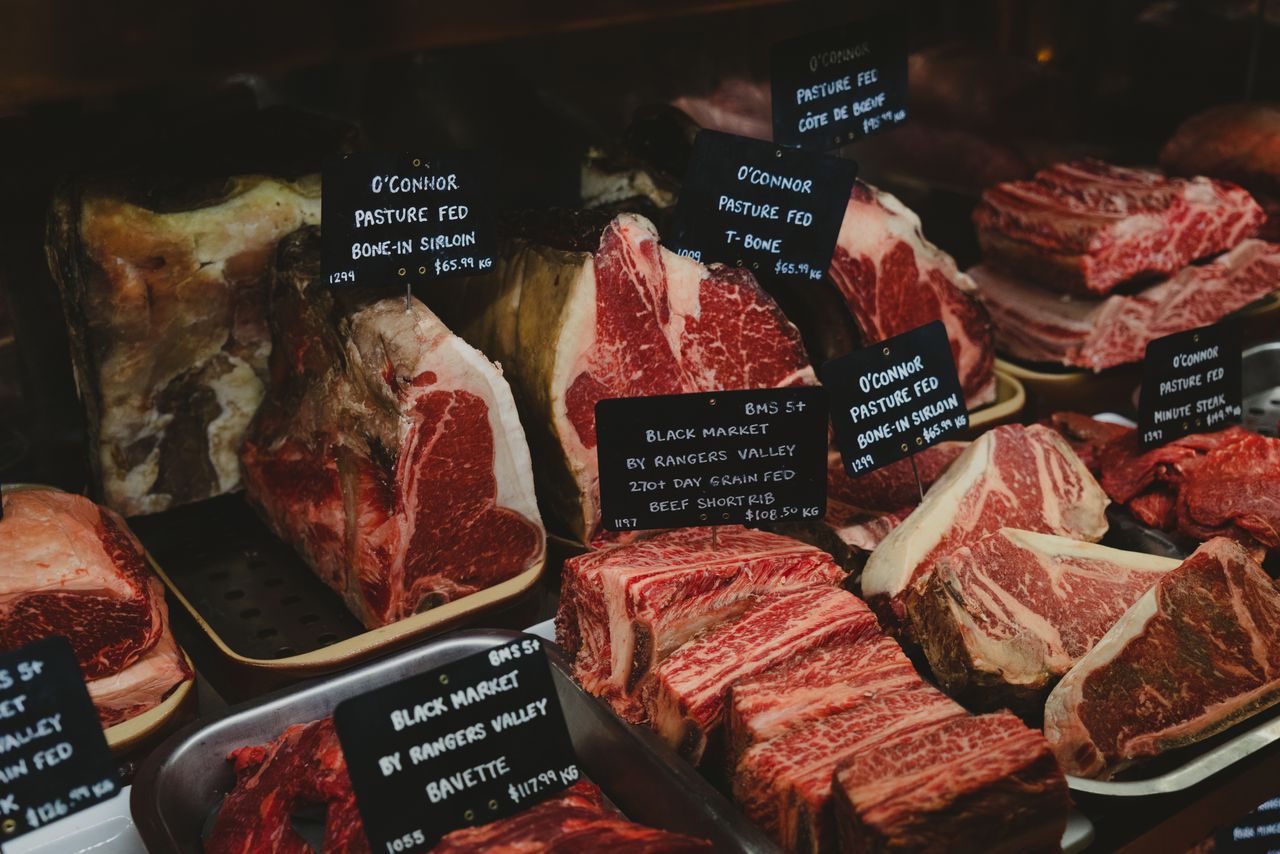
Meat prices can make a routine grocery trip feel unpredictable. One week chicken looks steady, the next week ground beef is suddenly harder to justify. A closer look at the market shows why smart shoppers should pay attention before they fill the cart.
Beef prices are rising faster than many shoppers realize
The biggest pricing story in the meat case is still beef. USDA’s latest Food Price Outlook says beef and veal prices are forecast to rise 8.7% in 2026, far above pork at 1.0% and poultry at 1.2%. That makes beef one of the fastest-rising grocery categories in a year when overall food-at-home inflation is expected to be much milder, at 2.3%.
Recent inflation data show that the pressure has not faded. The Bureau of Labor Statistics reported that the meats, poultry, fish, and eggs index rose 0.5% in October 2026, while the beef index alone climbed 0.9% for the month. According to AP, beef prices had already jumped nearly 14% in the first half of this year, which helps explain why many households feel like steak and even burgers have become occasional purchases rather than weekly staples.
That gap matters because consumers do not experience inflation evenly. A family that buys a lot of beef will feel food inflation more sharply than a household centered on chicken, beans, or eggs. It also means the meat aisle now rewards flexibility: choosing chuck over ribeye, family packs over smaller trays, or a beef-and-turkey blend for burgers can produce real savings without changing the whole meal plan.
Cattle inventory headlines can be misleading without the details
One of the easiest mistakes is assuming that a cattle inventory report tells a simple story of shortage or abundance. The July 24 USDA cattle report actually showed total cattle and calves at 94.2 million head, slightly above the 94.0 million a year earlier. So the broad national inventory did not fall. That is an important correction for anyone trying to understand why beef remains expensive.
The more meaningful numbers were deeper in the report. USDA said beef cows totaled 28.5 million, down 1%, and the calf crop came in at 32.5 million, down 2%. At the same time, cattle on feed rose 2% to 13.2 million. In other words, there are still animals moving through the system now, but the breeding base that drives future beef supplies remains tighter.
USDA’s Economic Research Service has been explicit about the result: federally inspected beef production has been lower in most months of 2026 than in the same months of 2025, and it is expected to stay below year-ago levels through the end of the year. For shoppers, that means today’s prices are not just a temporary supermarket quirk. The tighter beef cow herd and smaller calf crop suggest elevated prices can linger even when one headline number appears stable.
The best shopping strategy may be switching proteins more often
When beef gets expensive, shoppers rarely stop buying meat altogether. They substitute. USDA’s October livestock outlook said broiler consumption is expected to rise in 2026 partly because consumers are moving away from high-priced beef and toward chicken for price reasons. That shift is one of the clearest signals in today’s meat market: price-sensitive households are actively reshaping demand.
Pork also looks relatively calmer than beef. USDA forecasts pork prices to rise just 1.0% this year, and September retail pork prices were down 0.7% from a year earlier. Chicken is also projected to post only modest price growth. Those smaller increases give shoppers room to rethink the meal plan, especially for tacos, stir-fries, sandwiches, pasta dishes, and sheet-pan dinners where the protein can change without changing the entire recipe.
The practical takeaway is not to abandon beef, but to buy it more strategically. Save beef for meals where its flavor really carries the dish, then lean on chicken or pork for everyday cooking. If prices remain on their current path, the shoppers who compare proteins rather than fixate on one category will be the ones who keep both their dinners and their budgets under better control.