
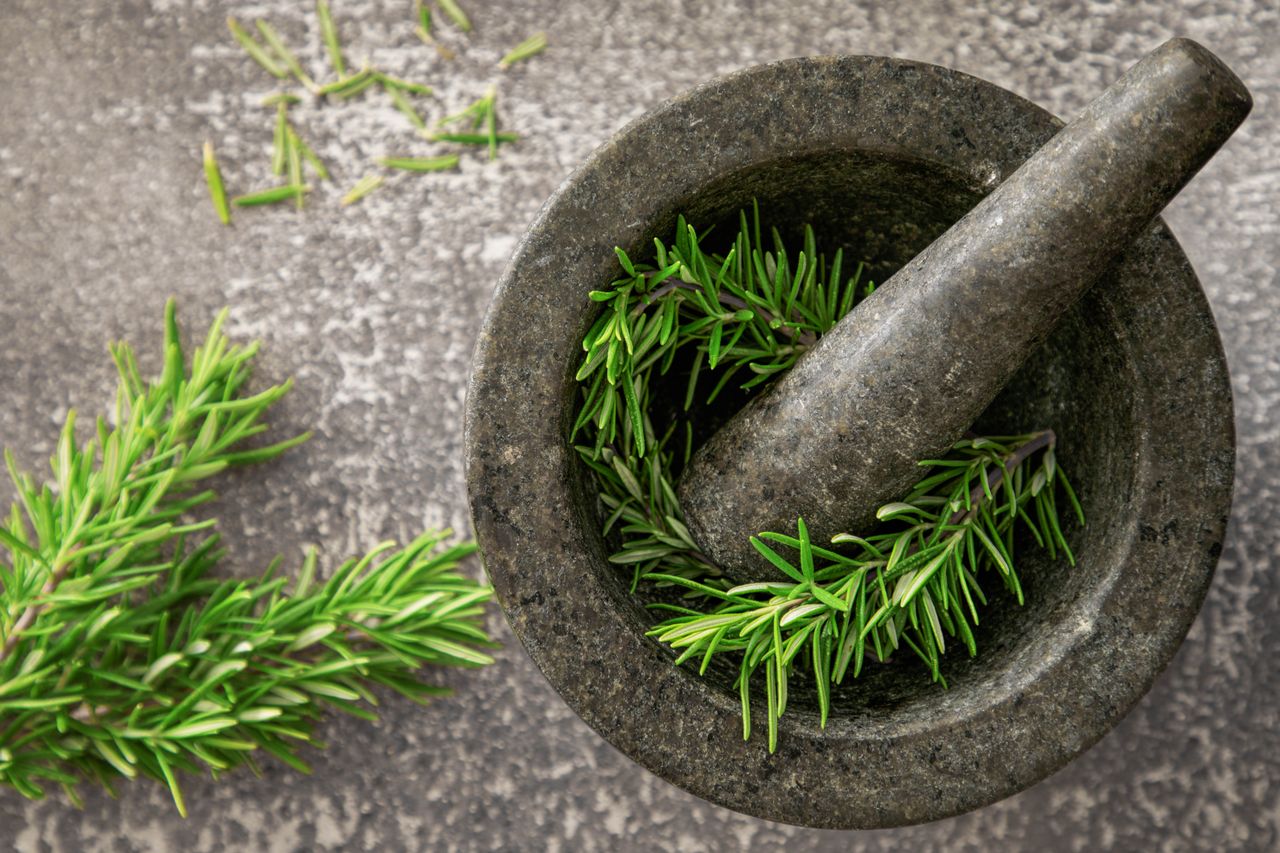
A new study is putting a familiar kitchen herb in the spotlight for something beyond roast potatoes and chicken. Researchers reported that a rosemary-containing drink was linked with higher alertness and contentedness in healthy adults after a lab task, adding a fresh data point to a small but growing body of research on rosemary and mood.
What the new rosemary study found
The study was published January 17, 2026, in the journal NeuroSci by researchers at Northumbria University. According to the paper, 48 healthy adults completed a cognitive task after consuming either a rosemary-containing drink or a control drink. The researchers also measured eye blink activity and brain responses to explore whether rosemary’s effects might vary from person to person.
The mood results were modest but notable. The paper says the rosemary drink led to increased alertness and contentedness following the task. The authors also reported changes in a brain response called P3a amplitude, which they said could point to a dopaminergic contribution, alongside mechanisms that earlier rosemary research has linked to cholinergic activity.
That does not mean rosemary suddenly belongs in the category of proven mood treatments. This was a controlled lab study, not a real-world test of daily eating habits, and the sample size was small. The paper also focused on a rosemary-containing drink rather than the typical amount of chopped fresh rosemary someone might use in dinner.
Why this matters, and what it does not mean
For food readers, the practical takeaway is mostly about perspective. Rosemary is a common culinary herb, and research interest in it has often centered on cognition, attention, and psychological wellbeing. This new paper adds evidence that rosemary may have short term effects on how alert or content people feel under specific test conditions.
It is also a reminder that food research can be more nuanced than a headline suggests. In this case, the researchers were not simply asking whether rosemary boosts mood for everyone in the same way. They were testing whether individual blink patterns, used as proxies tied to attention and dopaminergic function, might help explain why some people respond differently.
Other recent and past research has looked at rosemary extracts, essential oils, or rosemary delivered in beverages, but those forms are not interchangeable with home cooking. That matters because the dose, preparation, and testing conditions can all change the outcome. A study on a formulated rosemary drink is not the same as proof that adding extra rosemary to soup or roasted vegetables will produce the same effect.
How rosemary fits into a home kitchen
Rosemary still earns its place in the kitchen on flavor alone. Its piney, savory profile works especially well with roasted potatoes, chicken, pork, white beans, mushrooms, and focaccia. If you buy it fresh, wrap the sprigs loosely and keep them refrigerated, or strip and freeze the leaves for later cooking.
Dried rosemary can also be useful, especially in long-cooked dishes. Because the needles are firm, it often helps to crush dried rosemary between your fingers before adding it to marinades, dressings, or bread dough. That releases more aroma and helps distribute the herb more evenly.
The new study is interesting because it looks at a familiar food plant through a mood and cognition lens. Still, the safest read for shoppers and home cooks is a simple one: rosemary remains a versatile herb, and the latest research suggests there may be more to learn about it, but the findings are still early and specific to the study’s rosemary-containing drink.