
Some foods enter the American pantry like trends. Others settle in so naturally that people forget they were ever newcomers.
That quieter second story fits several South American staples now woven into weeknight cooking, snacks, and supermarket routines.
How these foods moved from regional tradition to U.S. routine
American kitchens did not adopt South American foods all at once, and not always for the same reason. In many cases, immigrant cooking, restaurant menus, natural-food retailers, and broader supermarket sourcing all helped widen exposure over time. USDA data also shows how important imported produce and specialty crops have become to the U.S. food landscape: horticultural products accounted for 45% of U.S. agricultural imports by value in 2025, a reminder that everyday variety now depends heavily on global supply chains.
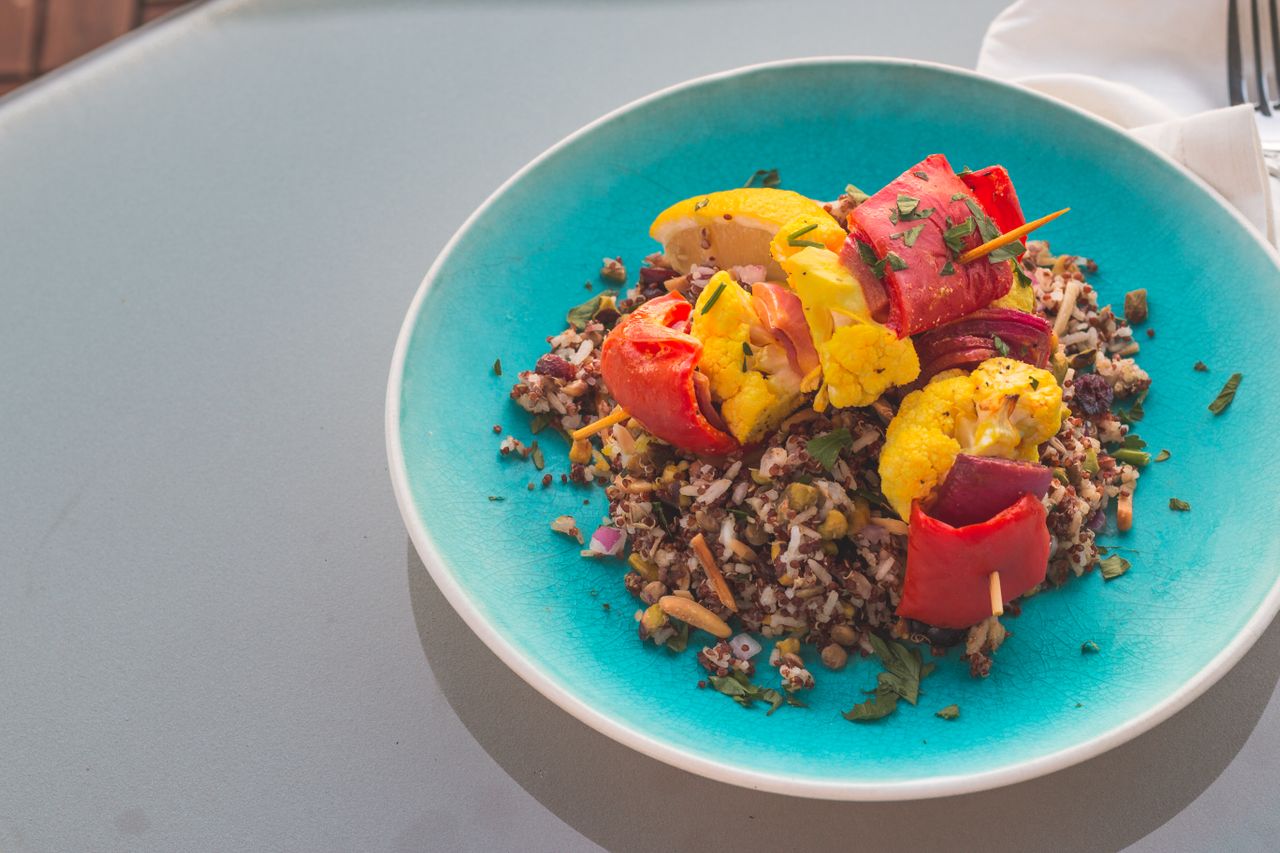
Quinoa is one of the clearest examples of an Andean food making that leap. The FAO describes quinoa as a crop preserved and cultivated by Indigenous Andean communities using traditional knowledge, and it has been a staple in the region for millennia. In the United States, quinoa found traction because it cooks quickly, works in salads and grain bowls, and meets modern demand for higher-protein, gluten-free pantry options.
Cassava, also sold as yuca, followed a different path. A 2023 Current Biology guide notes that cassava was domesticated in South and Central America more than 6,000 years ago. In the U.S., many shoppers know it through frozen yuca, cassava flour, chips, and Latin American cooking, where it functions less like a novelty and more like a dependable starch with deep culinary roots.
The five foods that truly fit the South American label
Quinoa belongs on this list without qualification. Though often treated like a grain, it is botanically a seed, and its rise in the U.S. reflects both cultural exchange and practical appeal. It can stand in for rice, bulk up soups, and hold texture in meal prep, which helps explain why it moved beyond health-food shelves into mainstream grocery stores.
Cassava deserves the same confidence, though with more precise wording: its origins are South and Central American, not exclusively South American. That distinction matters because food history is often flattened in lifestyle writing. Still, its staying power in U.S. kitchens is easy to see in cassava-based snacks, gluten-free baking mixes, and the continued popularity of boiled, fried, and mashed yuca in home cooking.
Peanuts complete the strongest trio on origin. The Agricultural Marketing Resource Center states that peanuts originated in South America, even though many Americans now think of them as quintessentially domestic because of peanut butter, lunchbox sandwiches, and ballpark snacks. Their history shows how thoroughly an imported crop can be absorbed into national eating habits until its foreign roots nearly disappear.
What belongs in the conversation, and what needs more careful framing
Some foods often grouped with South American staples require more caution. Avocados are unquestionably embedded in American eating, from toast to salads to party dips, and the Hass Avocado Board reported that 64.9 million units were sold during Big Game week in 2025, generating $74.4 million in retail sales. But origin is more complicated: University of Florida sources place avocado roots primarily in Mexico, Guatemala, and nearby parts of the tropical Americas, so calling avocado strictly South American oversimplifies the record.
Chia poses an even clearer correction. Harvard notes that 2 tablespoons contain about 140 calories, 4 g of protein, 11 g of fiber, and 7 g of unsaturated fat, which helps explain its endurance in smoothies, oatmeal, and baking. But Oxford Academic traces chia to Central and southern Mexico and Guatemala, meaning it should not be presented as South American in origin simply because it is cultivated in parts of South America today.
So the strongest version of this story is also the most accurate one. Quinoa, cassava, and peanuts have solid claims to South American heritage and visible staying power in American kitchens. Avocado and chia absolutely belong in the broader Americas-to-America pantry story, but careful food writing should separate popularity from provenance.
I appreciate you sharing this blog post. Thanks Again. Cool.