Breakfast is no longer just a meal. It has become a cultural preference test, and the chains winning attention are doing so for very different reasons. That is why opinions around the country feel so sharp right now.
The five chains at the center of the breakfast argument
The loudest debate circles around IHOP, Denny’s, Cracker Barrel, Waffle House, and First Watch because each chain represents a distinct version of morning dining. According to Technomic’s 2025 Top 500 ranking, IHOP, Cracker Barrel, Denny’s, and Waffle House remain among the largest family-dining brands in the United States, while First Watch has become the breakout modern breakfast specialist. That mix of old guard and newer brunch culture is what makes the rivalry feel national rather than regional.
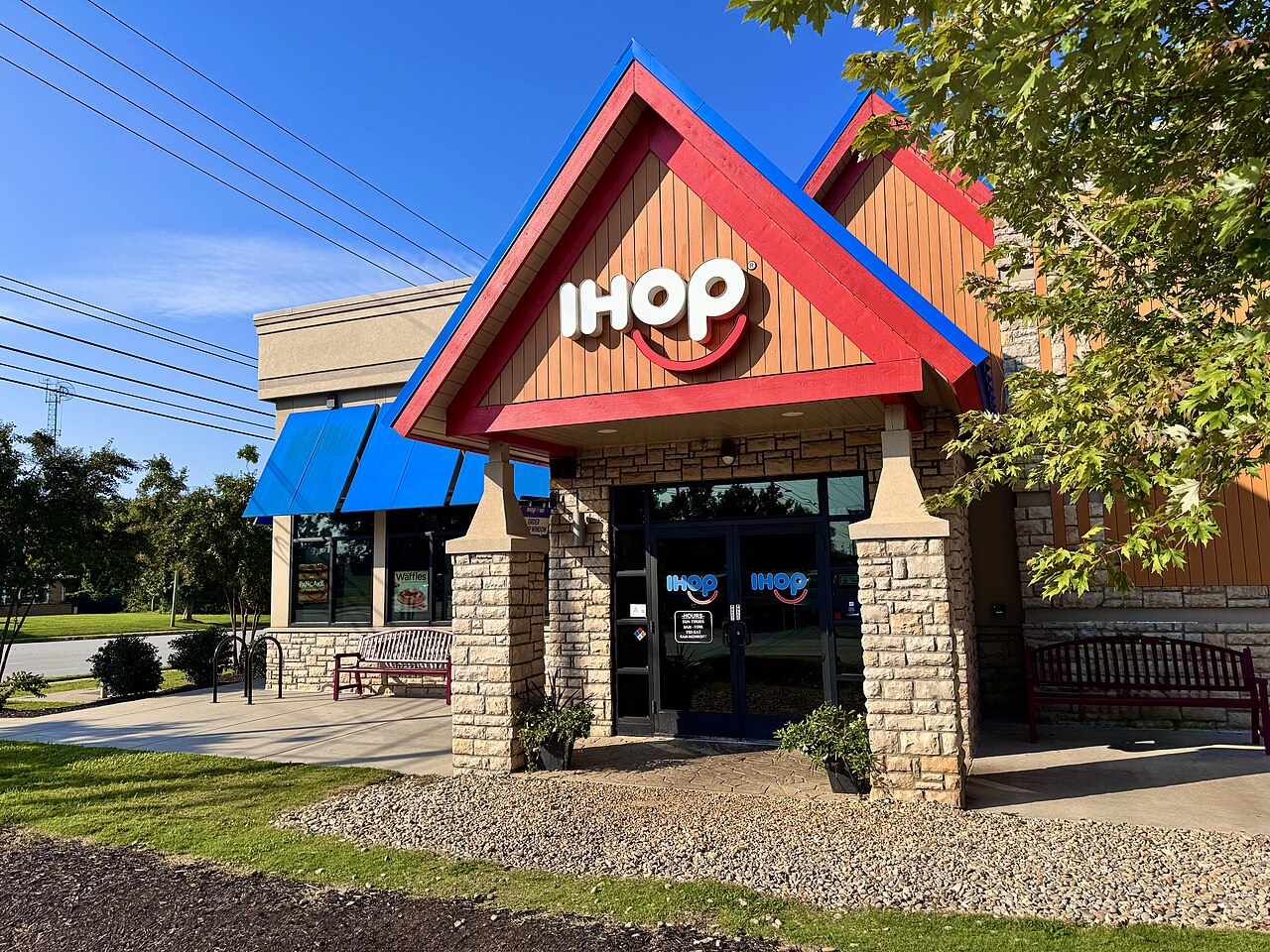
IHOP still owns the all-day pancake identity, and Dine Brands has kept pushing growth through dual-branded IHOP-Applebee’s restaurants. Company filings show Dine Brands had 44 dual-branded domestic IHOP and Applebee’s locations as of June 28, 2026, and said in September 2026 that the concept was approaching 50 nationwide. For fans, that signals adaptability and convenience. For critics, it raises the question of whether a classic breakfast chain loses something when it stretches into a broader value platform.
Denny’s remains an icon, but it is also navigating a harder transition. AP reported in November 2025 that the company agreed to be acquired in a deal valued at $620 million, underscoring the pressure legacy family-dining brands face from newer breakfast competitors. Its footprint is still massive, with Denny’s location directory listing 1,231 U.S. locations, which means its fans can still argue from familiarity, price, and sheer availability.
Why people feel so strongly about Waffle House, Cracker Barrel, and First Watch
Waffle House inspires the kind of loyalty that sounds more like sports fandom than restaurant chatter. Its own company history says the chain has more than 2,000 locations in 25 states, and its appeal is rooted in consistency, speed, and a very specific counter-service theater. AP recently revisited the famous Waffle House Index, noting that the chain’s operating status has become a shorthand for storm severity in the South. That kind of symbolism turns a restaurant into a regional institution.
Cracker Barrel triggers a different emotional response because it sells an experience as much as a breakfast plate. The chain’s retail-store dining model, rocking-chair image, and highway-stop familiarity remain powerful, but the company has also been under real pressure. AP reported in July 2026 that Cracker Barrel’s chief executive stepped down after a turbulent stretch, and company disclosures have pointed to traffic challenges and strategic changes. Supporters still see comfort and tradition. Detractors see a brand struggling to modernize without alienating its base.
First Watch, by contrast, is the chain people cite when they want breakfast to feel fresher, lighter, and more current. AP reported in February 2025 that the company had nearly quadrupled its footprint over the prior decade to 570 locations. Its public filings show continued expansion momentum through late 2025, while recent press releases have emphasized rotating seasonal menus and premium brunch positioning. Admirers call it chef-driven and contemporary. Skeptics call it the place that turned breakfast into a lifestyle badge.
What this breakfast divide really says about American dining
The bigger story is not merely which chain serves the best pancake, biscuit, or omelet. It is that breakfast has become one of the clearest ways Americans sort themselves by taste, routine, and values. Restaurant Business reported in May 2026 that family-dining chains serving breakfast, lunch, and dinner saw average sales decline 0.3% in 2025, while breakfast-and-lunch-only brands posted average sales growth of 11.6%. That gap helps explain why old-school diners and modern brunch concepts now feel like opposing camps.
Price has sharpened the divide, too. In early 2025, AP reported that Waffle House added a 50 cent per egg surcharge during the bird flu-driven egg spike, and later reported that both Waffle House and Denny’s removed those surcharges as prices eased in July 2025. Consumers noticed every move. In a breakfast category built on perceived value, even a modest surcharge can feel personal.
That is why these five chains provoke such unusually strong reactions. IHOP stands for abundance, Denny’s for durability, Cracker Barrel for nostalgia, Waffle House for regional identity, and First Watch for the polished brunch era. None is simply selling breakfast anymore. Each is selling a worldview about how Americans want to eat in the morning.