
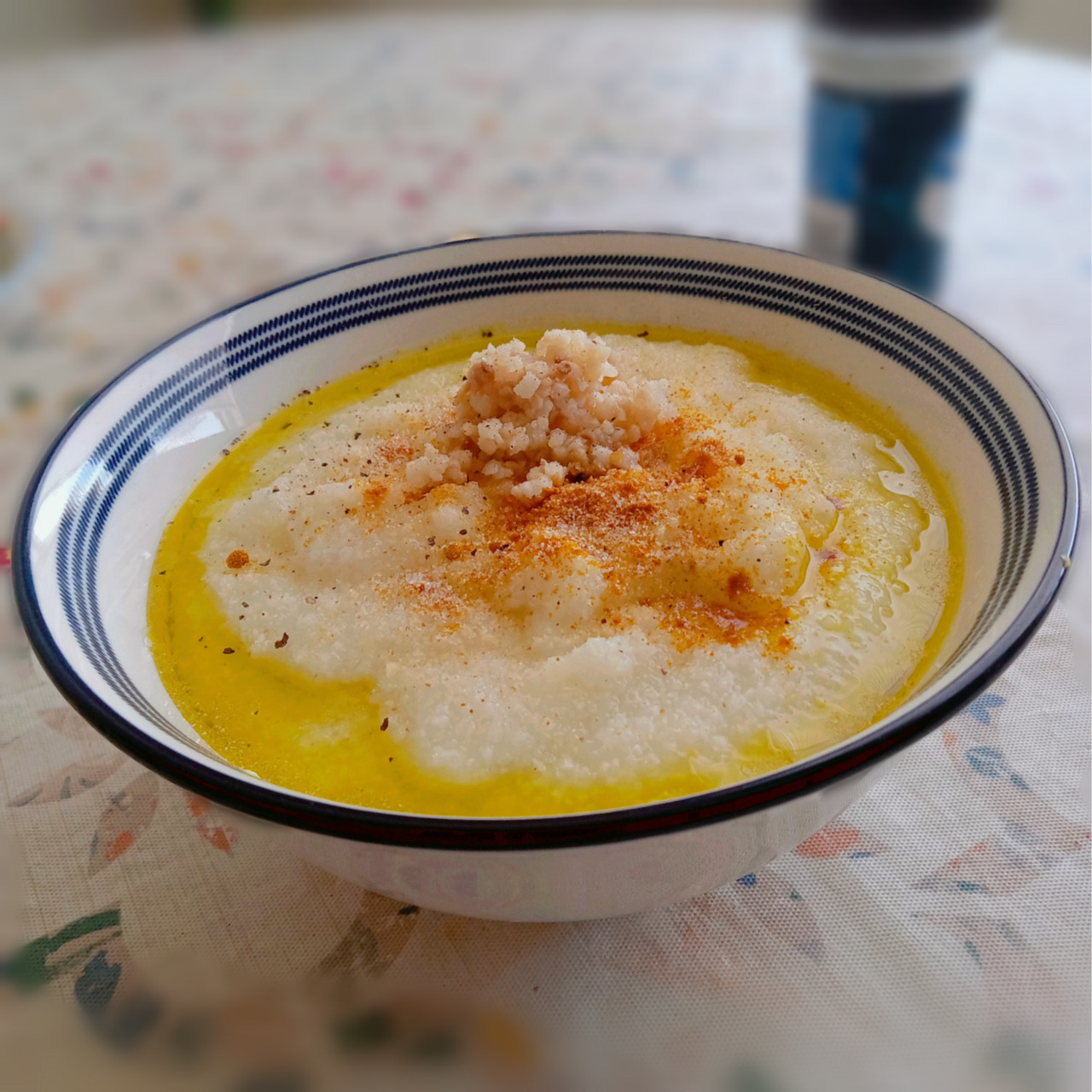
Few foods inspire stronger Southern loyalties than a warm bowl of grits. They are humble, polarizing, and deeply revealing about how the South understands comfort, thrift, and taste.
More Than a Side Dish With Good PR
Grits begin with corn, but their story is much older and broader than the modern diner breakfast plate. The dish descends from Indigenous corn traditions in the Americas, where maize was cultivated, ground, and prepared in many forms long before European settlement. National Park Service materials tracing corn culture and milling traditions make clear that ground corn foods were foundational across Native communities, including in the Southeast, where corn was central to daily life.
That history matters because it pushes back on the lazy idea that grits are somehow culinary filler. In practice, grits sit at the crossroads of Native agriculture, local milling, and Southern adaptation. What many diners now think of as “classic Southern” is actually the product of layered exchange, loss, and reinvention over centuries.
The South later made grits a regional emblem, but even that symbolism deserves precision. South Carolina lawmakers introduced a bill in 2000 to designate grits as the state’s official food, according to the legislative record, yet the available record shows the proposal was referred to committee rather than enacted into law. Even without the official title, the symbolism is obvious: few foods are asked to represent Southern belonging as often as grits.
Why Butter and Cheese Became the Loudest Part of the Conversation
Grits have a mild flavor, and that subtlety is both their strength and their public-relations problem. A neutral bowl invites enrichment, so butter, cheese, cream, stock, and bacon drippings often take over the conversation. Critics then mistake the toppings for the dish itself, as if mashed potatoes should be dismissed because people add gravy.
Nutrition tells a more balanced story than the stereotype suggests. USDA-based data puts 1 cup of regular or quick grits cooked with water and no added fat at roughly 140 calories, with modest protein and fiber depending on the variety and enrichment. The caloric jump usually comes from what follows: pats of butter, handfuls of cheddar, heavy cream, or rich shrimp sauces.
That does not make indulgent grits fraudulent; it makes them versatile. A bowl can be plain, restorative, and inexpensive, or celebratory and rich enough for a restaurant menu. The real question is whether we judge grits by their own texture, corn flavor, and grind quality, or only by the dairy products melted into them.
The New Case for Taking Grits Seriously
The strongest argument for grits today comes from the grain revival happening across the South. The Southern Foodways Alliance has documented a regional grain renaissance led by farmers, millers, and bakers who care about flavor, freshness, and heirloom varieties. That movement has helped consumers rediscover the difference between fast-cooking supermarket grits and stone-ground grits with real aroma, texture, and character.
Restaurants helped elevate that conversation decades ago. The Southern Foodways Alliance notes that Bill Neal’s shrimp and grits at Crook’s Corner in Chapel Hill became part of the broader rise of New Southern cuisine in the early 1980s. That dish did not merely load grits with luxury ingredients; it reframed them as worthy of serious technique and regional pride.
So are grits comfort food gold or just a butter-and-cheese delivery system? They can be both, but the second answer is too small for the evidence. At their best, grits are a culturally rooted, economically flexible, and culinarily expressive food that rewards care at every stage, from the field to the mill to the pan.