
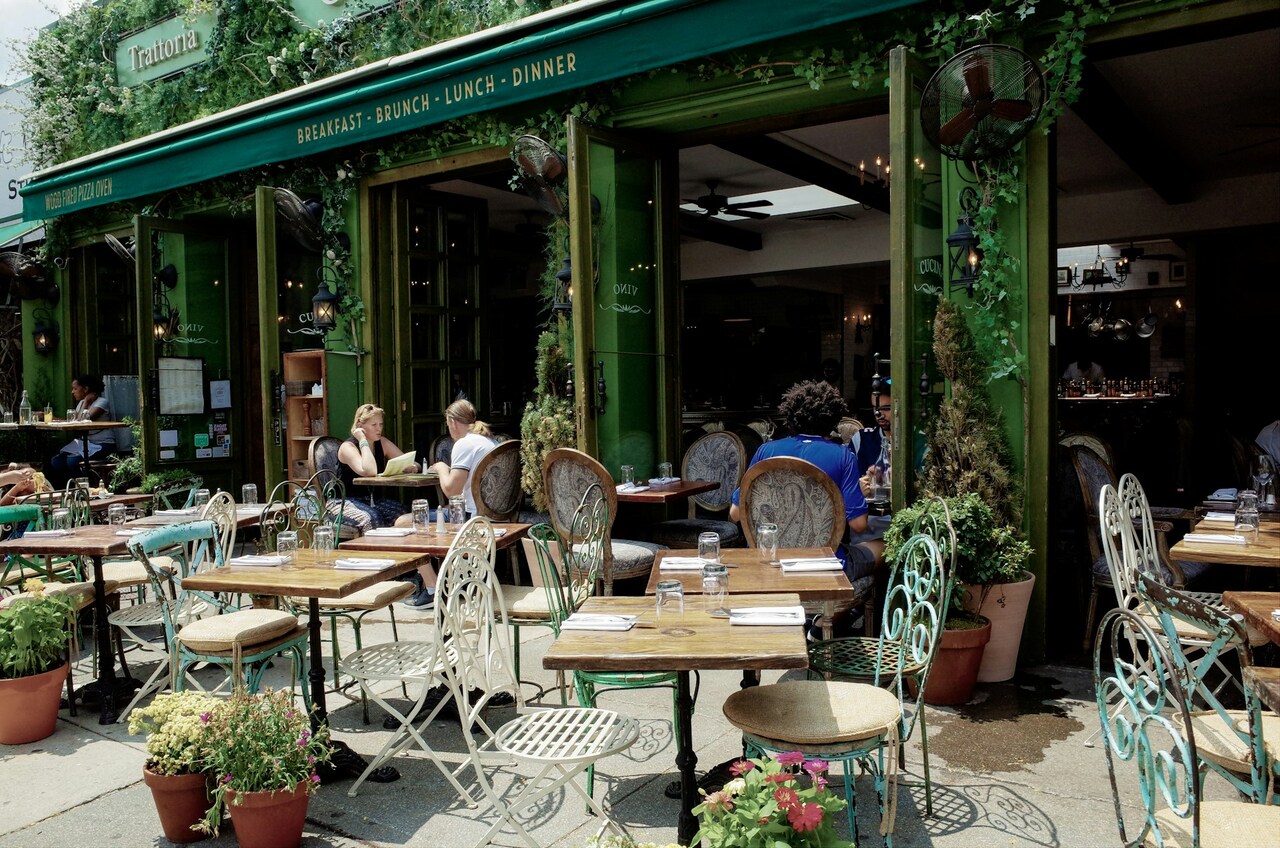
Outdoor dining rules have remained in flux in major cities since pandemic-era emergency programs reshaped how restaurants use sidewalks and curb lanes. In New York City, that debate reached a new milestone on August 31, 2026, when Mayor Zohran Kwame Mamdani signed a bill making year-round roadway outdoor dining a permanent part of city policy. The move changes the city’s long-term rules for restaurants across all five boroughs and removes one of the biggest operational hurdles built into the prior system.
NYC signs permanent year-round outdoor dining law
Mayor Mamdani signed Intro. 0655 into law on August 31, 2026, establishing permanent, year-round outdoor dining on New York City roadways, according to the Mayor’s Office. The measure amends the previous law governing Dining Out NYC, the city’s permanent outdoor dining program, which had required restaurants to remove roadway dining structures between November 30 and March 31 each year. That seasonal removal rule did not apply to sidewalk cafes.
The New York City Council’s legislative record lists the measure as Int. 0655-2026, enacted as Local Law 2026/135. According to the council summary, the law removes seasonal restrictions on roadway cafe operation and allows weatherproofing and winterizing materials so roadway cafes can function year-round. The same summary also states that the bill prohibits any DOT rule allowing roadway or sidewalk cafes to operate later than 11 p.m. daily.
City officials framed the change as a cost and planning issue for restaurants. In the Mayor’s Office announcement, Mamdani said the previous law forced small business owners to dismantle and rebuild roadway dining setups every year, creating added expense and uncertainty. Council Member Lincoln Restler, the prime sponsor, said the earlier seasonal restrictions and administrative requirements had limited restaurant participation in the program.
What the change means across New York City
The immediate impact is citywide: restaurants in Manhattan, Brooklyn, Queens, the Bronx, and Staten Island that participate in Dining Out NYC will no longer face a mandatory winter shutdown for roadway dining under the old calendar. According to the Mayor’s Office, the purpose of the law is to make roadway dining available in every season rather than only during the warmer months. That is a significant operational shift for neighborhood restaurants that invested in curbside seating but previously had to remove it for four months.
What is confirmed is the legal change itself and the city’s plan to issue follow-up rules. The Mayor’s Office said the New York City Department of Transportation will promulgate rules in the coming months allowing restaurants to temporarily winterize roadway dining setups. DOT Commissioner Mike Flynn said those future rules are expected to support more comfortable cold-weather dining while preserving the lighter, more open design standards the city wants on its streets.
What is not yet known is exactly how those winterization rules will work in practice for every operator. The city has not yet published the full rule package spelling out what materials, enclosure methods, or design details restaurants will be permitted to use during winter months. The city also has not released a new borough-by-borough count of restaurants expected to join or rejoin the roadway dining program under the updated law.
Why the city changed course now
The core reason for the change, according to city officials, was the cost and complexity created by the prior seasonal structure. The Mayor’s Office said the old rules required roadway operators to dismantle and rebuild setups annually, a process Mamdani described as an unnecessary burden on small businesses. Small Business Services Commissioner Kenny Minaya said the reform fits into the administration’s Open for Small Business initiative, which he said is intended to reduce regulatory barriers for local operators.
Council supporters also tied the measure to broader participation in the permanent program. Restler said too many restaurants and cafes had been locked out by red tape and seasonal restrictions, and he described the new law as a way to make roadway dining accessible to thousands of establishments. Flynn said the previous seasonal limit was a costly hurdle that hurt participation, even after DOT had built a permanent program with more standardized, accessible, and resilient setups.
For diners and residents, the practical result is that outdoor tables in curbside roadway spaces may remain part of the streetscape through winter instead of disappearing after November. Restaurants still must operate within the city’s program rules, and additional winterization standards are still to come from DOT. The city’s next formal step is rulemaking, which will determine how year-round roadway dining looks on the ground as the permanent policy moves from legislation to implementation.