
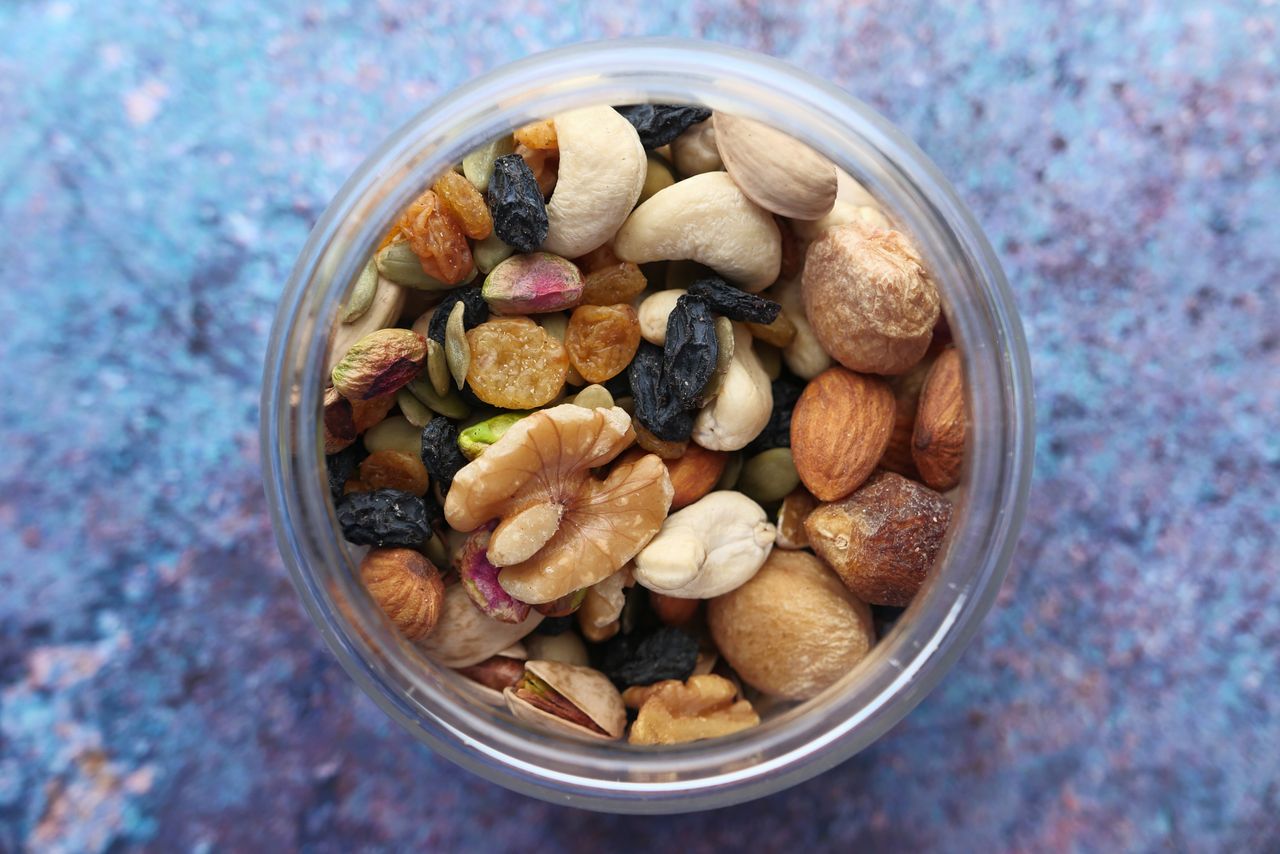
For years, U.S. nutrition advice treated “fat” as a category to limit, but current guidance from major health organizations focuses more narrowly on replacing saturated and trans fats with unsaturated fats. That shift matters for shoppers everywhere, because many foods once viewed skeptically now appear regularly in dietitian-backed eating patterns built around heart health and overall nutrition. The result is a more practical message: some fatty foods can be everyday staples, not occasional exceptions.
What nutrition experts actually mean by “healthy fats”
The American Heart Association states that fats can be part of a healthy diet and recommends choosing foods with monounsaturated and polyunsaturated fats in place of foods higher in saturated and trans fats. Mayo Clinic guidance makes the same distinction, noting that fat helps the body absorb nutrients and provide energy, while the bigger issue is which fats people eat most often. That is the framework dietitians use when they say certain fatty foods can be eaten regularly.
In practice, that list starts with staples that show up repeatedly in Mediterranean-style eating plans and heart-health guidance. Extra-virgin olive oil, avocados, nuts, seeds, fatty fish such as salmon and sardines, and nut butters are among the most consistently recommended options, according to the American Heart Association and Mayo Clinic. Olives, soy foods such as edamame, and seeds including chia, flax, pumpkin, and sunflower also fit that pattern because they contribute unsaturated fats along with fiber, vitamins, minerals, or protein.
Some higher-fat dairy foods can fit too, but the guidance is more measured. Mayo Clinic and the American Heart Association generally emphasize low-fat or fat-free dairy most often, so foods such as plain yogurt or certain cheeses are typically best treated as context-dependent choices rather than universal daily recommendations. Coconut oil and heavily butter-based foods, by contrast, do not appear on most mainstream “eat regularly” lists because they are higher in saturated fat.
The 12 foods dietitians most often keep in regular rotation
A practical list of 12 dietitian-friendly fatty foods would include extra-virgin olive oil, avocados, almonds, walnuts, pistachios, natural peanut butter, tahini, chia seeds, ground flaxseed, pumpkin seeds, salmon, and sardines. That list aligns closely with American Heart Association advice to use nontropical vegetable oils, eat nuts and seeds, and choose fatty fish for omega-3 fats. It also reflects the foods most often highlighted in Mediterranean-style eating guidance from Mayo Clinic.
The case for these foods is not just about fat content. Avocados add fiber along with monounsaturated fat. Nuts and seeds pair unsaturated fats with plant protein and minerals. Salmon and sardines provide omega-3 fatty acids, and the American Heart Association specifically recommends oily fish as a source of essential fats that the body must get from food.
How often is “regularly”? The available guidance usually points to routine inclusion in balanced meals rather than unlimited portions. Olive oil may replace butter in cooking or dressings, nuts can work as snacks or toppings, and fatty fish often appears as a recurring weekly protein. In other words, dietitians are not endorsing “high-fat” eating in the abstract; they are endorsing specific foods that improve the overall pattern of a person’s diet.
What this means for everyday eating
For consumers trying to shop more simply, the main takeaway is that a food being “fatty” no longer makes it automatically suspect. A salad dressed with olive oil, yogurt topped with chia and walnuts, toast with avocado, or a grain bowl with salmon all fit squarely within mainstream nutrition advice from national health organizations. The quality of the fat, and what it replaces, remains the deciding factor.
That also explains why some foods make the list and others do not. Mayo Clinic and the American Heart Association continue to caution against patterns high in saturated fat from foods such as butter, fatty meats, and many ultra-processed products. Their guidance favors plant oils, fish, nuts, seeds, and minimally processed foods, especially within broader eating patterns such as the Mediterranean diet.
For readers looking at labels or meal planning, the most durable rule is substitution. Choose olive oil instead of solid fats, nuts instead of many processed snacks, and salmon or sardines as regular protein options when possible. Nutritionists are broadly on board with those swaps because they are supported by longstanding guidance from major medical and heart-health institutions, not by a short-lived food trend.
https://themobilemaster.co.uk/
Если на предвызовном созвоне звучат «красные флаги» (неукротимая рвота, выраженная дезориентация, «скачущий» ритм, одышка), мы сразу резервируем палату усиленного наблюдения и подключаем расширенный мониторинг. При низком риске старт возможен амбулаторно или на дому с бесшовным переводом в стационар при необходимости — без очередей и «говорящих» вывесок. Во всех сценариях анонимность — не «опция», а стандарт по умолчанию.
Изучить вопрос глубже – платная наркологическая клиника
купить ганджубас где купить модафинил купить кокаин купить мефедрон амфетамин закладки кристаллов закладки альфа пвп
купить бошки гашиш марихуану лсд экстази прегабалин лирика купить купить наркотики москваhttps://pskovkupit.xyz купить кокаин трамадол 100 мг купить
горячие источники краби таиланд
https://www.tannhauser-thegame.com/how-to-use-promo-code-on-1xbet-1xmax200-e130-how-to/
https://zumvu.com/codepromo45634/
https://manchesterhorse.co.uk/
https://ok.ru/profile/584597800667/statuses/157315425034459
https://www.govtjobposts.in/welcome/blogs/123