
A good diner menu promises comfort, speed, and value. But servers who know the kitchen best also know that not every familiar item is equally worth ordering.
That is why regulars often get gentle nudges toward some dishes and away from others. The pattern is less about snobbery than about freshness, food safety, and how diners actually cook during a busy shift.
All-day soups, lukewarm gravies, and other foods that sit too long
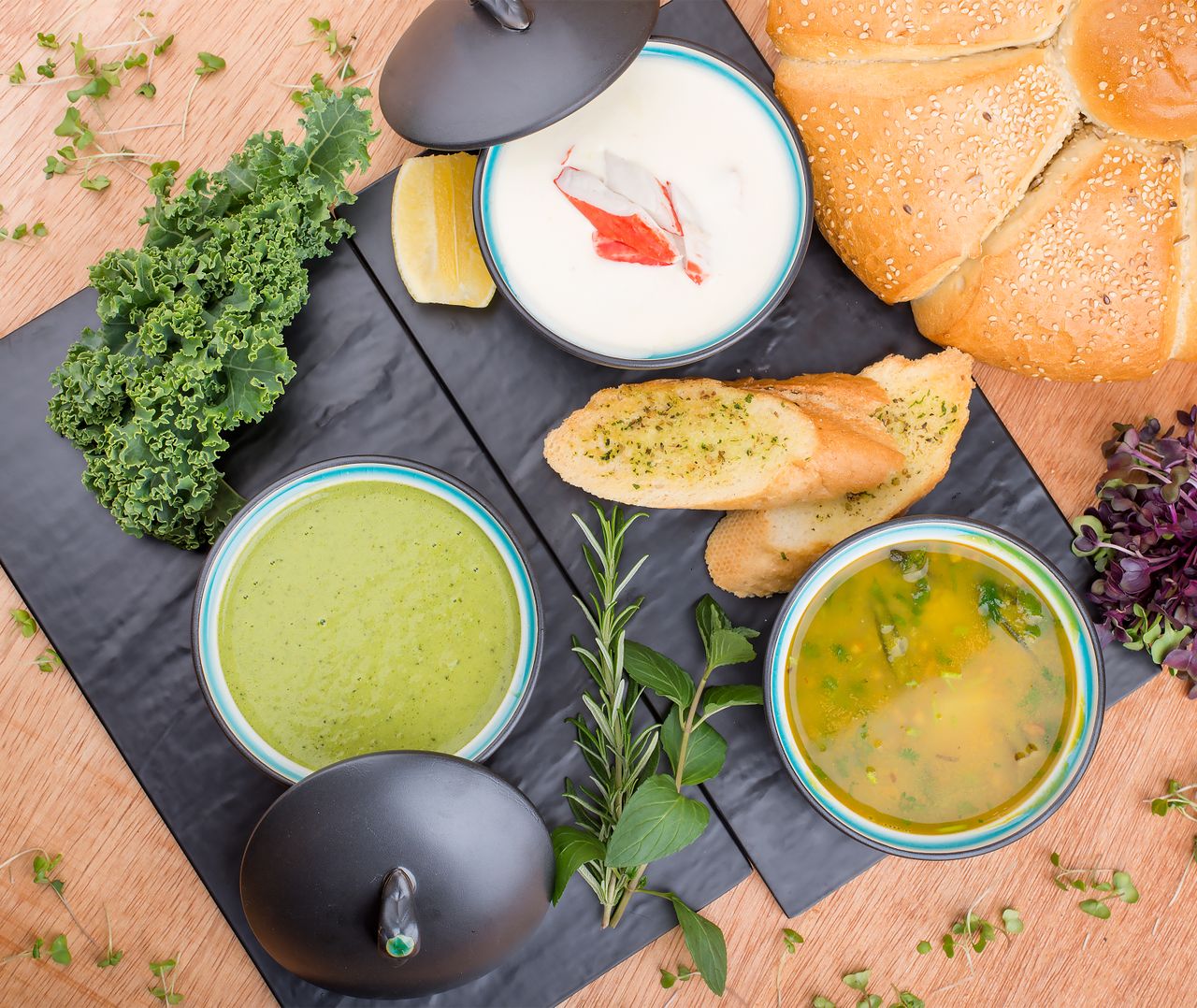
One of the most common quiet warnings involves foods that spend hours waiting for the next order. Soup can be excellent in a diner, especially when it is made in small batches, but it can also become tired after repeated heating and holding. The FDA Food Code says hot-held foods should be kept at 135°F or above, a threshold meant to limit bacterial growth, yet texture and flavor still decline long before a safety issue appears, according to FDA guidance.
That same logic applies to gravy, chili, queso-style toppings, and steam-table sides. A server who knows the lunch rush ended two hours ago may gently suggest fries over mashed potatoes, or toast over biscuits smothered in gravy, simply because those items deteriorate quickly under heat. Diners built for volume can execute these staples well at peak times, but the gap between noon and midafternoon is where regulars learn to be selective.
Seasoned servers also watch for dishes that absorb the cost-cutting compromises of a broad menu. Turkey specials, carved roast plates, and catchall casseroles can be perfectly good when they are the featured item of the day, but less reliable when they function as a way to repurpose yesterday’s production. In many old-school operations, the safest bet is to order what is moving fast, not what is merely available.
Hollandaise, undercooked eggs, and breakfast items with extra risk
Breakfast is the glory category for diners, but a few dishes consistently make experienced servers pause. Anything topped with hollandaise raises the stakes because the sauce is delicate, temperature-sensitive, and sometimes associated with raw or lightly cooked eggs. FDA guidance specifically flags hollandaise and similar sauces as foods that should be prepared with pasteurized egg products when they are not thoroughly cooked.
That does not mean eggs Benedict is automatically a bad order. It means the quality depends heavily on whether the kitchen is making fresh batches, controlling temperature, and moving enough volume to keep the sauce lively. In a strong brunch house, it can be the signature dish. In a diner serving Benedict from dawn to late afternoon, regulars often notice that plain poached eggs and toast are the more dependable call.
Runny scrambled eggs, very loose omelets, and anything bordering on undercooked can also worry staff for practical reasons. The FDA notes that Salmonella illness from contaminated eggs can begin within 1 to 3 days of eating unsafe food, which is why careful handling matters so much.
Seafood on a giant menu, oversized specials, and dishes outside the diner’s strengths
The biggest red flag in many diners is not a single ingredient but a mismatch between the menu and the kitchen’s true strengths. If a restaurant is known for pancakes, burgers, and meatloaf, a random seafood platter, seared tuna special, or elaborate pasta Alfredo may exist mostly because customers expect variety. Servers often steer regulars back toward the dishes the grill cooks can execute consistently and fast.
This is especially true in places with encyclopedic menus. A ten-page diner lineup can signal convenience as much as skill, and items with lower turnover are more vulnerable to freezer burn, stale breading, or heavy-handed reheating. That is why regulars often trust a server’s nudge toward patty melts, club sandwiches, open-face roast beef, or breakfast-for-dinner orders. Those dishes move, and movement is usually a proxy for freshness.
There is also a simple hospitality reason servers redirect diners: trust. Bon Appétit has reported that strong recommendations build a connection between guest and server, and good staff use that trust to guide people toward the restaurant’s real winners, not just the most expensive plate.
In the end, the items servers quietly discourage are usually the ones that sit too long, demand fragile handling, or ask a diner kitchen to be something it is not. Regulars benefit because they learn the unwritten menu: order the food with momentum, skip the tired holdovers, and let the staff point you toward what the place actually does best.