
Diners are built on nostalgia, convenience, and oversized comfort food. That is exactly why some of the most familiar orders can also be the easiest to underestimate.
The breakfast classics that add up fast
Few diner meals look more harmless than a full breakfast, but pancakes, French toast, waffles, and giant omelets can turn into calorie-dense, sugar-heavy, sodium-loaded plates before the coffee is half gone. The American Heart Association notes that restaurant meals often deliver far more saturated fat, sodium, and added sugar than people expect, and it also says more than 70% of the sodium Americans eat comes from prepared and restaurant foods. That matters when a “simple” breakfast includes butter, syrup, salted breakfast meat, cheese, and hash browns all on one plate.
Omelets deserve special scrutiny because the fillings usually matter more than the eggs. Ham, bacon, sausage, and extra cheese can push a diner omelet into processed-meat territory, and the World Health Organization has long advised limiting processed meats because of links to cancer risk. Add toast, potatoes, and a side of gravy, and the meal becomes a concentrated hit of sodium and saturated fat that is hard to balance later in the day.
Eggs Benedict is another smart pause point. Hollandaise is rich by design, but it can also raise food-safety questions if a restaurant uses unpasteurized eggs or holds the sauce improperly. The CDC specifically flags foods like hollandaise and certain dressings as items diners should ask about, especially for pregnant people, older adults, and anyone with a higher risk of foodborne illness.
Fried favorites and sandwich-board staples
Chicken-fried steak, country-fried chicken, mozzarella sticks, onion rings, and loaded fries all share the same issue: heavy breading, deep frying, and often a salty finishing layer of gravy, cheese, or seasoning. The World Health Organization’s healthy diet guidance recommends limiting fried foods and foods high in saturated fat, free sugars, and sodium, and diner fryers can turn a side dish into the nutritional centerpiece of the meal. These items are satisfying in the moment but rarely gentle on blood pressure or overall daily intake.
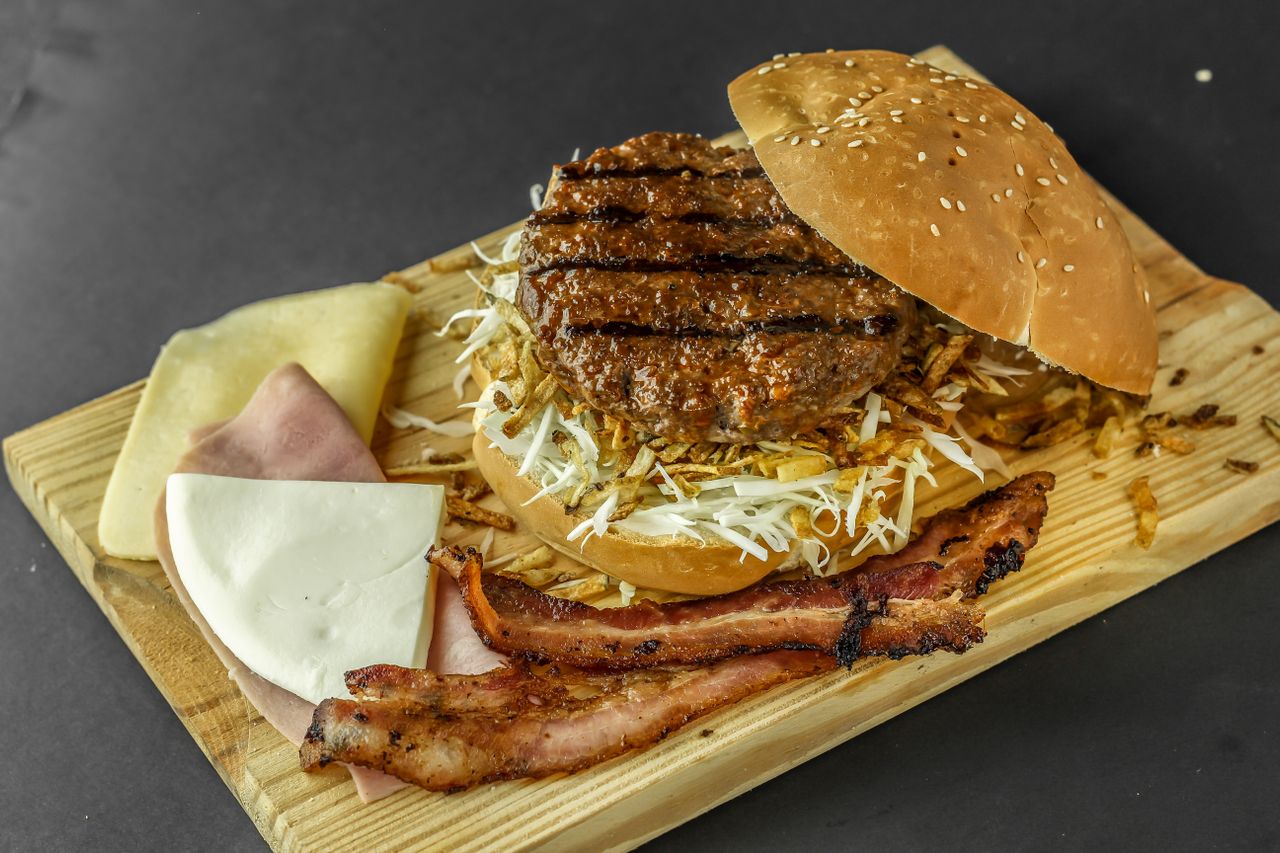
Then there are the burgers and club sandwiches that seem manageable until they arrive stacked with bacon, cheese, deli turkey, ham, mayo, and a mound of fries. Processed meats such as bacon, sausage, and deli meats are repeatedly identified by public health groups as foods to limit, not just because of sodium but because regular intake is tied to poorer long-term health outcomes. In a diner setting, these meats often appear in combination, not isolation.
Even soup-and-sandwich orders can be deceptive. Cream soups and chili can be especially salty, and the sandwich beside them may add cured meat, melted cheese, and buttered bread. The meal reads lighter than a burger basket, but from a sodium standpoint it can land in the same neighborhood.
Sweet finishes and the hidden food-safety traps
Milkshakes, pie à la mode, giant muffins, and diner desserts are the easiest splurge to rationalize because they feel separate from the meal. In reality, they often stack on top of an already rich breakfast or lunch, adding a large dose of added sugar and saturated fat. The American Heart Association recommends asking about ingredients and preparation methods when dining out, and that advice applies just as much to dessert as it does to entrées.
There is also a practical safety angle that gets overlooked. Soft-serve style shakes, whipped toppings, and ice-heavy fountain drinks depend on clean equipment and careful handling, and the CDC estimates that common foodborne pathogens still cause millions of illnesses in the United States each year. Most diners operate safely, but items made from dairy, eggs, or machines that require meticulous cleaning deserve more caution when a place looks poorly maintained.
The point is not to avoid diners or order joyless meals. It is to think twice before choosing the menu items most likely to combine oversized portions, processed meats, frying, sugary add-ons, and potential food-safety concerns in a single plate. If you still want the classic, splitting it, skipping one side, or asking a few smart questions can make the meal feel just as comforting with fewer regrets.