
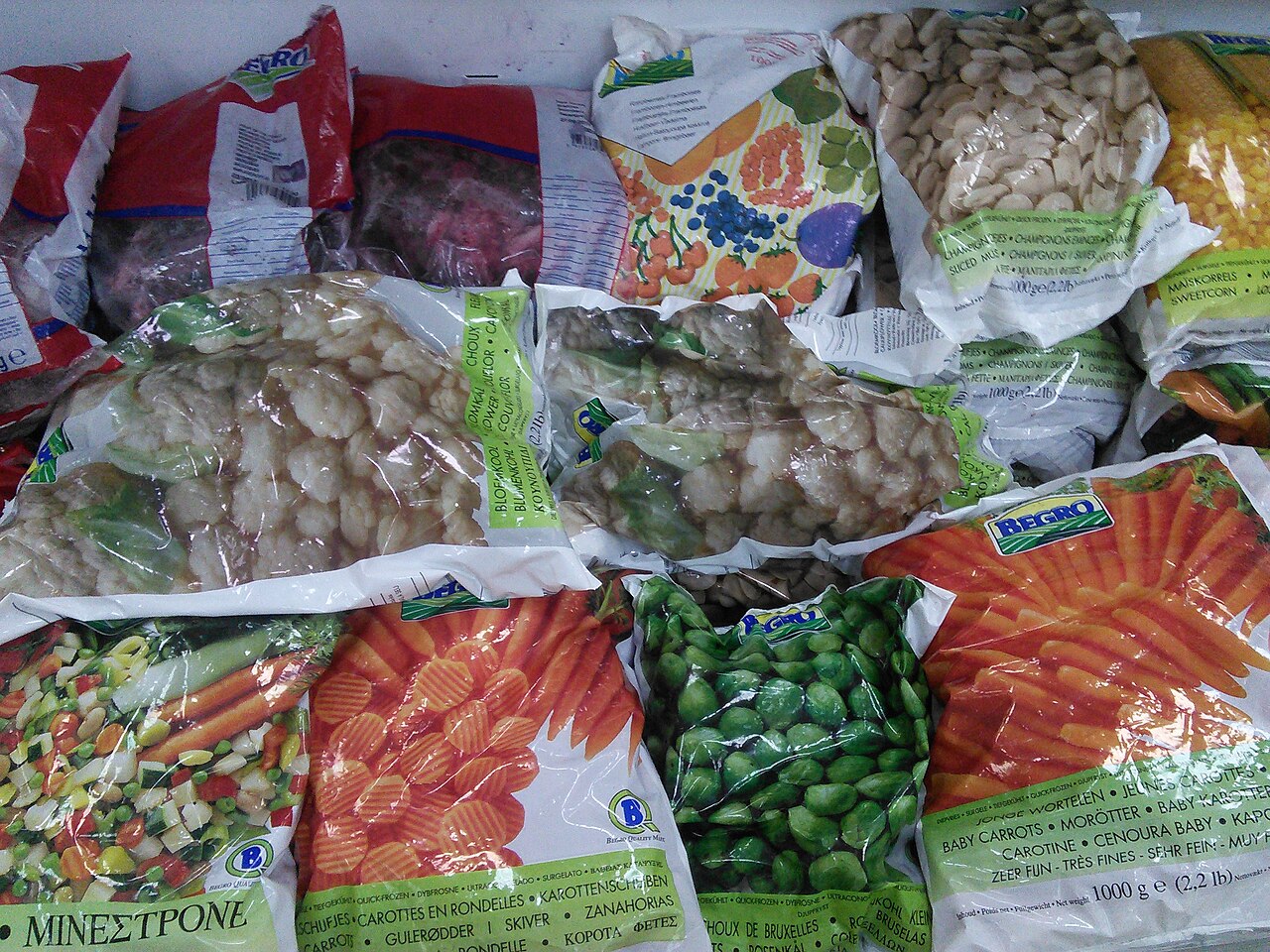
Rising grocery prices and persistent concern about food waste have kept frozen foods in focus for U.S. shoppers. Frozen vegetables, in particular, sit at the intersection of value, nutrition, and convenience, with federal and industry data showing they can compete with fresh produce on both price and shelf life. The money-saving question is not whether to buy frozen vegetables, but which products deliver the best value once packaging, additives, and spoilage are factored in.
Start with plain vegetables, price per cup, and package condition
The strongest value in the freezer case usually starts with plain vegetables rather than sauced or seasoned blends. USDA’s Economic Research Service reported in its fruit and vegetable price data, updated July 31, 2026, that fresh products are not consistently cheaper or more expensive than processed ones, and that some frozen items can cost less than their fresh counterparts on a cup-equivalent basis. The agency also reported that in 2023, 19 vegetables in its data set cost $0.50 or less per cup equivalent, underscoring that value depends on the specific item rather than the department where it is sold.
That makes unit-price shopping more important than front-label marketing. A bag that looks inexpensive can cost more per serving if it includes sauce, pasta, or cheese, or if it contains less edible vegetable volume than a plain store-brand alternative. USDA previously found that frozen raspberries, for example, were less costly than fresh raspberries, while fresh carrots were cheaper than canned or frozen carrots, showing that the best buy changes by product, not by a simple fresh-versus-frozen rule.
Packaging also matters because damage can erase value. FDA advises consumers not to buy products if packaging is open, torn, or damaged, including items in freezer cases. USDA’s Food Safety and Inspection Service says food in a torn package may still be safe if properly rewrapped at home, but excessive drying from poor packaging or lengthy storage can dull color and reduce eating quality, turning a bargain into a disappointing purchase.
Frozen can stretch budgets, but not every bag saves money
Frozen vegetables can help households control how much they cook at one time, which is where much of the savings shows up. In a 2022 survey commissioned by the American Frozen Food Institute, 83% of respondents said frozen fruits and vegetables helped them reduce food waste and save money, and 94% of U.S. households reported buying frozen fruits and vegetables. AFFI also said U.S. sales of frozen fruits and vegetables reached $7.1 billion in the 52 weeks ending June 26, 2022, with plain vegetables representing the largest segment at $2.9 billion.
That national data has practical implications for shoppers in every market, including local grocery aisles where store brands often dominate freezer doors. Because frozen produce is portionable, buyers can use part of a bag and return the rest to storage, avoiding the spoilage risk that often comes with fresh broccoli, spinach, peas, or mixed vegetables bought for a single meal. FDA’s food-waste guidance separately notes that confusion over food handling and storage contributes to waste, which gives longer-lasting frozen produce an economic advantage for households that do not cook every day.
What remains less clear is which retailers offer the best frozen-vegetable value market by market. Public federal pricing data compares forms and products, but it does not provide a comprehensive city-by-city list of the cheapest supermarket brands. Shoppers therefore still need to compare unit prices in their own stores, especially across private-label and national-brand bags of plain corn, peas, green beans, spinach, and mixed vegetables.
Why frozen vegetables remain a value play for shoppers
The broader context for frozen vegetables is convenience paired with reduced spoilage. AFFI says modern freezing methods, including individual quick freezing, help processors preserve flavor, quality, and portionability, while produce is often frozen near peak ripeness. The group’s consumer education materials cite research from the University of California, Davis and the University of Georgia finding that frozen fruits and vegetables can match, and in some cases exceed, the nutritional value of fresh-stored produce.
Federal agencies draw a useful distinction between food safety and food quality. FDA says freezer burn is a quality issue, not a safety issue, while USDA says foods frozen too long can develop off odors or excessive drying. For shoppers trying to avoid wasting money, that means the best-value purchase is not simply the lowest sticker price, but the product most likely to be used before quality drops.
In practical terms, that favors plain vegetables in resealable or easy-to-close bags, especially for households cooking for one or two people. It also favors buyers who skip premium seasoning blends unless they would otherwise buy those ingredients separately. The frozen case remains one of the few grocery sections where shoppers can balance cost, convenience, and waste reduction in a single purchase, according to USDA and industry data, as long as they treat price-per-serving and package condition as the deciding factors.