
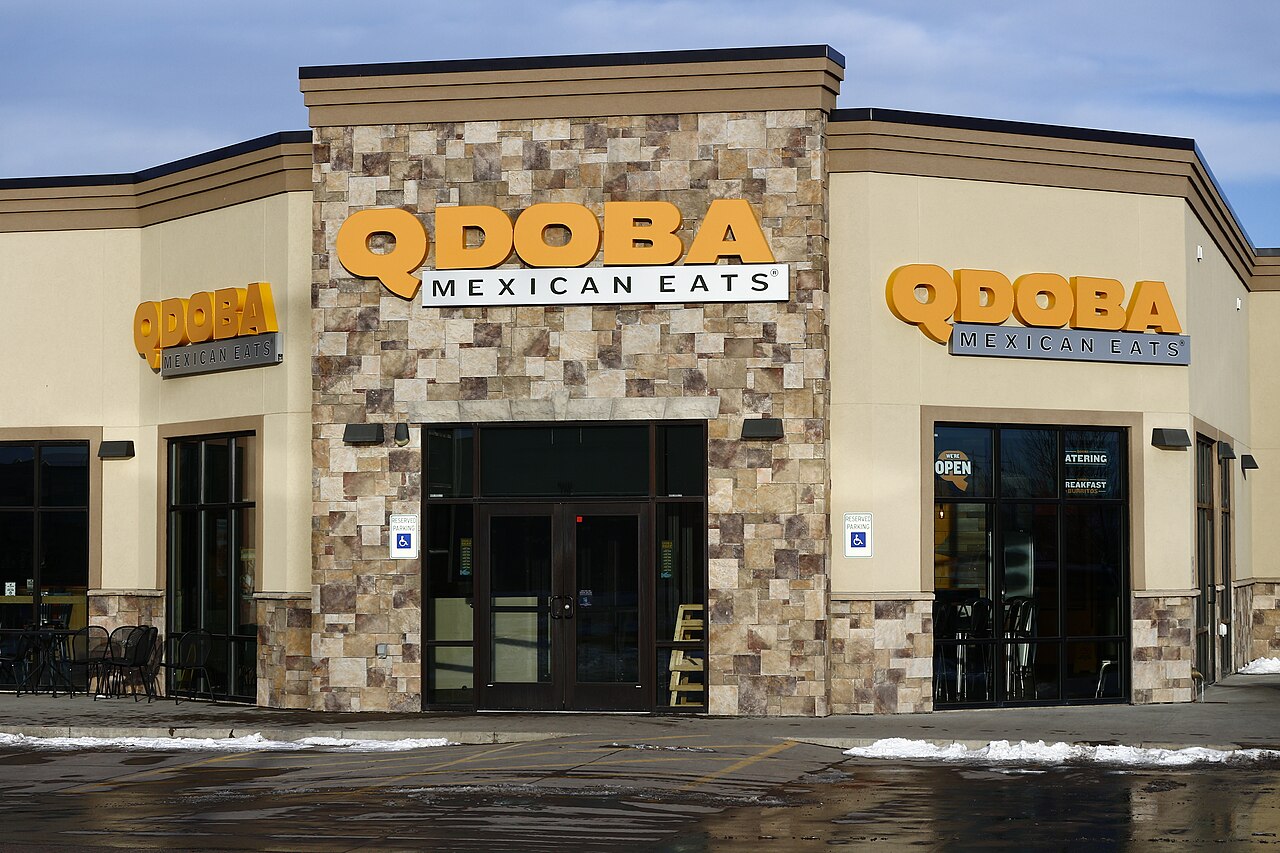
Restaurant financing pressures have become a growing issue across the quick-service and fast-casual business as operators juggle higher labor, occupancy, and tax costs. That pressure is now hitting one of Qdoba’s larger franchise groups in the Philadelphia area and beyond. Court filings and industry reporting show the dispute has moved from a loan default to court-supervised receivership, putting dozens of restaurants under added scrutiny.
A court-appointed receiver is now part of the case
Pennsylvania-based The Integritty Group, also identified in court records through related TIG Queso and Queso Time entities, defaulted on a $20 million loan that Bank Midwest said was taken out in April 2025. Nation’s Restaurant News reported on September 8, 2026, that about $18.3 million remained outstanding and that the debt was tied to 41 Qdoba restaurants. The lender had already filed suit on August 6 in the U.S. District Court for the Eastern District of Pennsylvania, according to that report.
The dispute escalated further on August 24, 2026, when a related federal case in Delaware resulted in an order granting the immediate appointment of a receiver. According to the District of Delaware docket, GlassRatner Advisory & Capital Group was appointed receiver over the borrower’s assets and business operations. That step typically means an independent party is installed to stabilize operations, protect collateral, and oversee a potential sale process rather than leaving those decisions solely with the borrower.
Bank Midwest said in the lawsuit, as summarized by Nation’s Restaurant News and the Kansas City Business Journal, that the franchisee violated loan terms, failed to cure the default, and did not disclose serious liquidity problems. The bank also said the franchisee entered an agreement to terminate its Qdoba franchise relationship and sell the restaurants without notifying the lender, which the bank said threatened the collateral behind the loan.
What is confirmed in Pennsylvania and what is still unclear
The most immediate local focus is Pennsylvania because The Integritty Group is based there and Qdoba said it remains focused on serving guests across the Philadelphia market. Nation’s Restaurant News reported that the companies named in the suit operate restaurants in Delaware, New Jersey, New York, Pennsylvania, and Florida. Court records viewed through Justia list multiple Pennsylvania entities among the defendants, but the public record cited in available reporting does not provide a complete store-by-store closure or sale list.
That means customers in the Philadelphia region should not assume a location is closing simply because it is tied to the franchisee. Qdoba said it is not a party to the complaint and has no comment on the allegations, while adding that it remains focused on serving guests in Philadelphia. As of now, no public filing reviewed in this reporting states that all 41 restaurants have shut down or that a final buyer has been selected.
What is known is that a receiver has been empowered to manage the restaurant assets and business operations. What is not yet known is which Pennsylvania locations, if any, could ultimately be sold, transferred, or restructured first. The company has not released a comprehensive list of affected Pennsylvania cities, and neither the court docket excerpts nor the trade reports publicly break out the 41-store portfolio by municipality.
Why the default matters and what customers should expect next
The filings point to a cash-flow problem more than a sudden one-day event. According to Nation’s Restaurant News, Bank Midwest said the franchisee owed roughly $432,000 in August rent on its Qdoba locations, more than $1 million in unpaid sales taxes, and more than $300,000 to DoorDash. The same report said the bank offered $850,000 in emergency funding to stabilize operations, but the franchisee never completed the paperwork needed to draw on those funds.
Those details fit a broader pattern in restaurant finance, where operators can remain open while falling behind on rent, taxes, vendors, and debt service until lenders or landlords intervene. In this case, the lender’s stated concern was that undisclosed liquidity strain and a possible franchise termination-and-sale arrangement could reduce the value of the collateral securing the loan. That is why the move to receivership matters more than the headline alone: it creates a formal process for oversight and a potential sale.
For customers, the near-term expectation is continued service where restaurants remain open, not an automatic systemwide shutdown. Any store transfers or sales would likely happen through the receiver and court process rather than through informal announcements alone. The case remains ongoing, and the clearest confirmed fact for now is that control over the 41-restaurant portfolio is moving into a more structured legal process.