
Labor Day spending is arriving at a moment when grocery price sensitivity remains high and chains are leaning on weekly ads, digital coupons, and limited-time holiday promotions to hold traffic. For shoppers deciding where a holiday cookout run is actually worth it, the clearest value plays this week are showing up at Aldi, Kroger, Walmart, and Target, while Costco’s value remains strongest for larger baskets rather than a last-minute holiday stop. Labor Day itself falls on Monday, September 7, 2026, and store policies and current promotions are helping define which chains stand out.
Aldi, Kroger, Walmart, and Target are driving the strongest verified Labor Day-week grocery value
Aldi is keeping its Labor Day-week pitch simple: everyday low prices backed by a current weekly ad and rotating Aldi Finds, according to the company’s weekly specials page. The chain also states that stores operate limited hours on Labor Day, which matters for shoppers planning a same-day run. That combination makes Aldi one of the clearest low-friction options for core groceries rather than one-off promotional hunting.
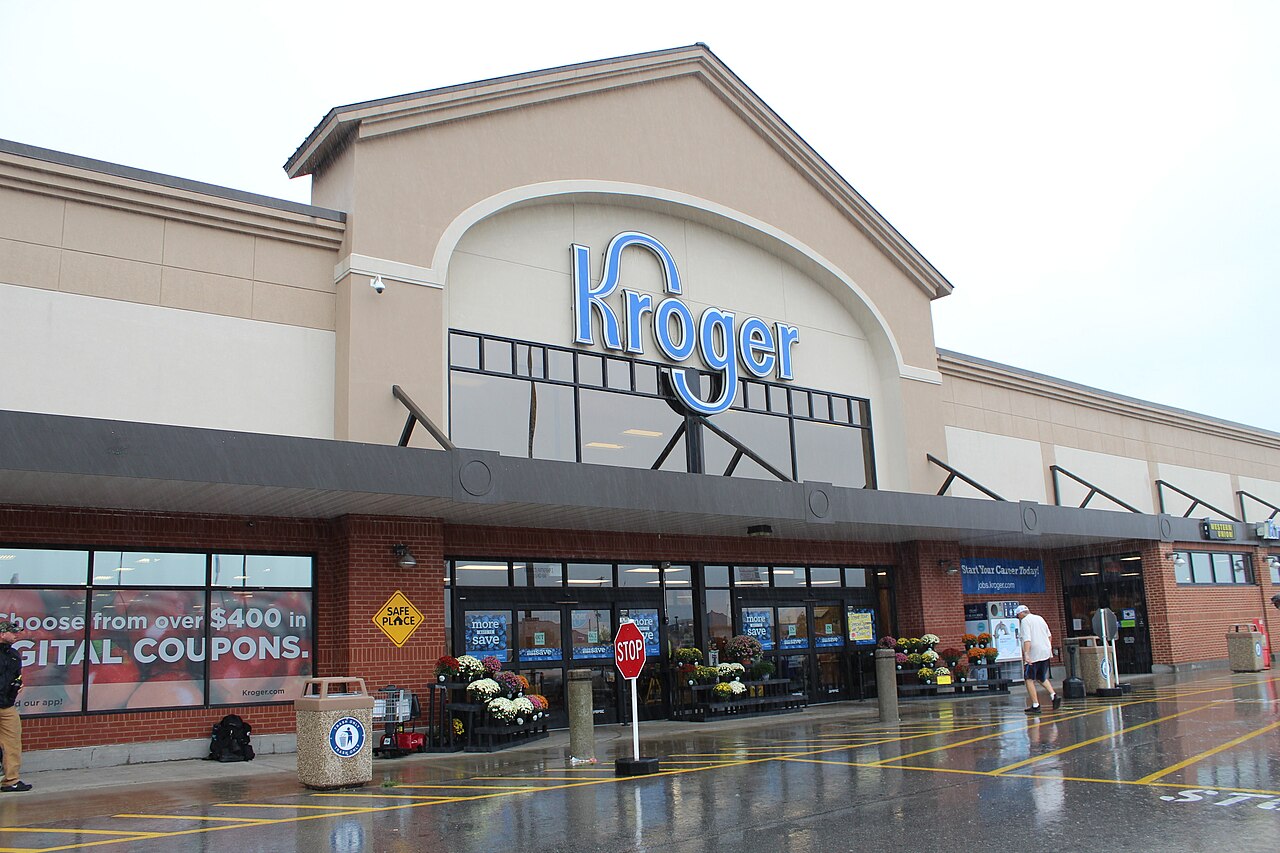
Kroger is leaning harder on weekly ad pricing and digital tools. Its current savings pages direct shoppers to weekly ads, clipped digital coupons, and weekly digital deals, with offers active for the September 2 through September 8 period, according to Kroger’s site. That structure can produce sharper savings than shelf price alone, but it also means the best value depends on using the app or loyalty account where required.
Walmart is promoting “major Labor Day savings” and specifically highlighting food savings on its savings hub this week. That fits broader third-party pricing research as well: Telsey Advisory Group’s June 2024 online grocery pricing study in Denver found Walmart remained the price leader in a 40-item basket, ahead of Kroger and Target. The study is older and market-specific, but it remains one of the clearer comparative benchmarks available.
Target’s current promotions page shows a concentrated mix of holiday-week food deals through September 7, including offers on chips, cookies, yogurt, hot dogs, beverages, cheese, ice cream, and frozen snacks. For shoppers building a cookout basket with branded snacks and drinks, that makes Target more competitive this week than its general grocery-price reputation might suggest.
The practical difference this week is basket size, store format, and how much planning a chain requires
For a standard Labor Day cookout trip, Aldi and Walmart look strongest for shoppers who want straightforward pricing without much coupon management. Aldi’s model stays centered on core private-label groceries, while Walmart combines broad assortment with ongoing food savings and typically longer holiday accessibility than membership-based warehouse clubs. Neither chain has framed this week around a single splashy grocery event, but both are presenting value as an everyday-price proposition.
Kroger and Target can be more situational. Kroger’s edge is strongest when shoppers use digital coupons, weekly ad pricing, and loyalty-linked deals; without those, the value equation can narrow. Target’s grocery promotions are clearly real and time-dated, but they are concentrated in specific categories, particularly snacks, drinks, frozen items, and picnic-friendly add-ons rather than a full low-price basket.
Costco remains a separate case. The company’s customer-service materials list Labor Day among its U.S. warehouse holiday closures, and individual warehouse pages note that business centers will be closed Monday, September 7, 2026. That means Costco may still be worth it for pre-holiday bulk meat, beverages, paper goods, and pantry staples, but it is not the chain for a same-day Labor Day grocery fill-in.
What is not fully knowable nationally is the exact local price winner on every basket. Weekly ads, item availability, and regional assortments vary by market, and the chains have not published a single standardized holiday comparison across all U.S. stores.
Why these chains stand out now comes down to inflation-era shopping habits and different retail strategies
The current split reflects how major grocery and mass retailers are competing for value-seeking households in 2026. Telsey Advisory Group said Walmart’s store, digital, and operational strategies should allow it to remain a leader, while Kroger continues pushing “Leading with Fresh” and digital initiatives and Target is emphasizing a more value-focused assortment. Those are company and analyst views, but they align with what shoppers are seeing in this week’s promotions.
Aldi’s position is more straightforward. Its weekly specials page continues to foreground everyday low prices rather than deep dependence on loyalty mechanics, a structure that tends to resonate when shoppers want quick clarity on a holiday budget. Kroger and Target, by contrast, are using a denser promotional model that can reward planning but requires more active comparison.
Costco’s value logic has not changed much either. Warehouse clubs can produce lower unit pricing on larger formats, and outside comparisons such as Kiplinger’s recent look at pantry items found Costco beating Walmart on some bulk purchases including peanut butter and coffee. But that advantage is strongest when households can absorb volume and shop ahead, not when they need a fast Labor Day pickup.
For customers, the most verified takeaway this week is practical rather than absolute: Aldi and Walmart look most consistently worth it for broad grocery value, Kroger and Target look most worth it when their digital or category-specific offers match a shopper’s list, and Costco remains a bulk-buy play before the holiday rather than on Monday itself.