
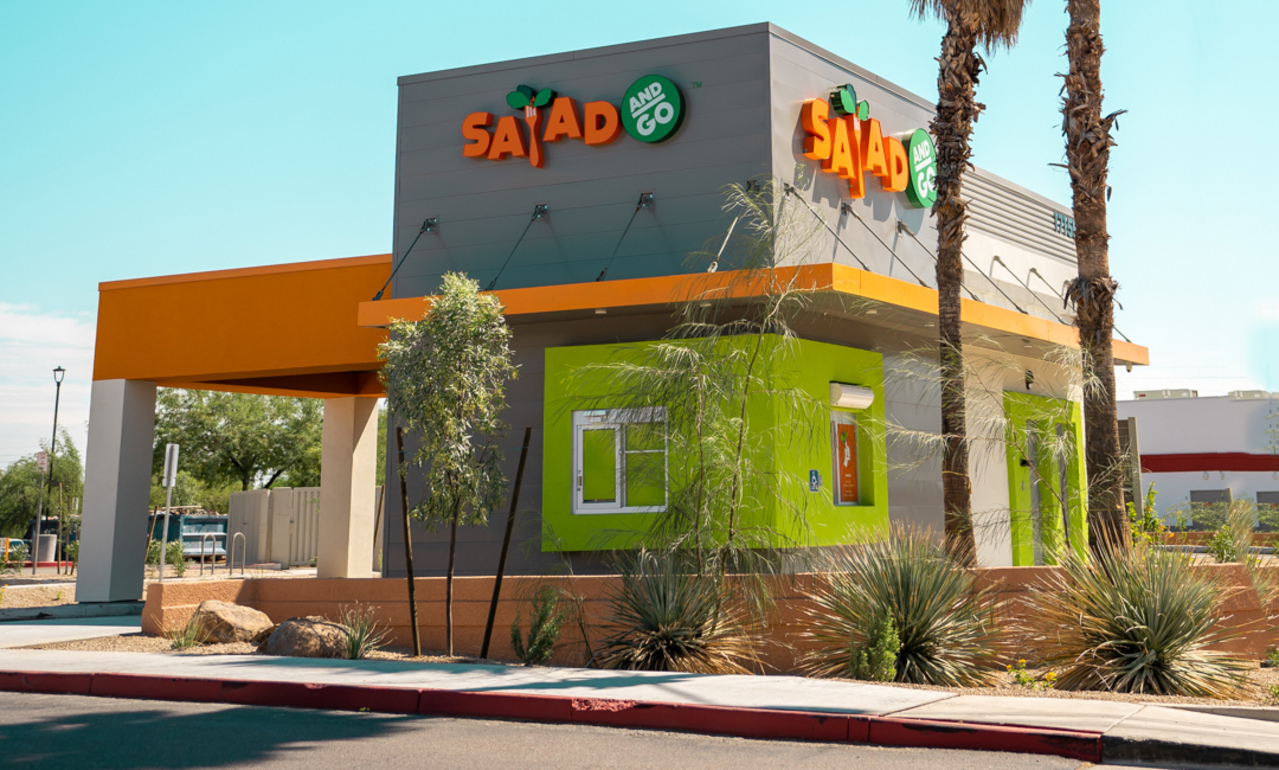
Restaurant bankruptcies have continued to reshape the fast-casual sector in 2026 as higher operating costs and weaker discretionary spending pressure chains across the country. In Nevada, that trend has now reached Salad and Go, the Arizona-founded drive-thru concept that once pitched fresh, low-cost meals as a fast-food alternative. The company’s shutdown means the chain has fully exited Nevada for good.
Salad and Go closed all remaining restaurants on August 5
Salad and Go confirmed on its website that all locations were closed as of August 5, 2026, and multiple industry reports said the company filed for Chapter 11 bankruptcy protection as it shut down its final stores. Restaurant Dive reported that the chain permanently closed 70 restaurants, while CoStar described the Aug. 5 shutdown as the company’s final day of business. That made the closure a full-system event, not a market-by-market reduction.
The brand had already been shrinking before the final closure. Earlier rounds of restructuring included more than 40 store closures in September 2025, followed by a January 2026 withdrawal from Texas and Oklahoma that left Arizona and Nevada as the company’s last two operating states. By early August, those final markets were also gone.
The closure marked the end of a chain that had expanded rapidly from its Gilbert, Arizona founding in 2013. At its peak, Salad and Go had been held up as a fast-growing drive-thru concept in the Southwest, but its bankruptcy filing brought that run to a stop within a single day of final service.
Nevada lost its last Salad and Go locations in the shutdown
For Nevada, the practical impact is straightforward: the state no longer has any Salad and Go restaurants. Reports from AZPM and Fox5 Vegas said the company’s remaining Arizona and Nevada stores were included in the August 5 closure plan, and Fox5 Vegas reported that the leases and equipment at those Arizona and Nevada drive-thru sites were part of a proposed asset sale tied to the bankruptcy process.
What remains less clear is the exact Nevada-by-Nevada city breakdown of the final closures. The company has not released a comprehensive public list of affected Nevada addresses in the materials reviewed for this report. Earlier company materials had referred to Las Vegas as one of its active markets, but the final closure announcements were framed at the state level rather than by individual Nevada city.
That means what is confirmed is the statewide exit, not a full city-by-city accounting. Nevada residents should expect that no Salad and Go locations remain open in the state after final guest service on August 5, and any former units are now part of the chain’s broader bankruptcy asset disposition.
The shutdown followed rising costs, weaker demand and prior retrenchment
Salad and Go attributed the bankruptcy and closure decision to sustained pressure on consumer demand, rising costs and earlier growth challenges, according to company statements cited by Yahoo Finance and Fast Casual. Restaurant Dive separately reported that even where Arizona and Nevada stores were roughly breaking even at the restaurant level, the company still faced corporate overhead, obligations tied to previously closed leases and other administrative expenses that drove continued cash burn.
The company also pointed to a July Cyclospora outbreak that was not linked to Salad and Go but, it said, weakened confidence in salad-focused restaurants and hurt sales across the category. Bloomberg Law and Fast Casual both reported that the chain told the court the broader outbreak accelerated losses and undercut turnaround efforts that were already under strain.
For customers in Nevada, the result is not a temporary pause or a limited-market retreat. Salad and Go’s website states that all locations are closed, and recent bankruptcy coverage has focused on the sale or reuse of former restaurant sites rather than any reopening plan. As of early September, post-bankruptcy reporting has centered on bids for former locations, underscoring that the chain’s Nevada presence has ended.