
What you eat after 50 has a different impact than it did at 30. Muscle mass, blood vessel flexibility, blood sugar control, and recovery all become less forgiving, which is why doctors focus less on trendy diets and more on everyday food traps.
The processed foods that age your body faster
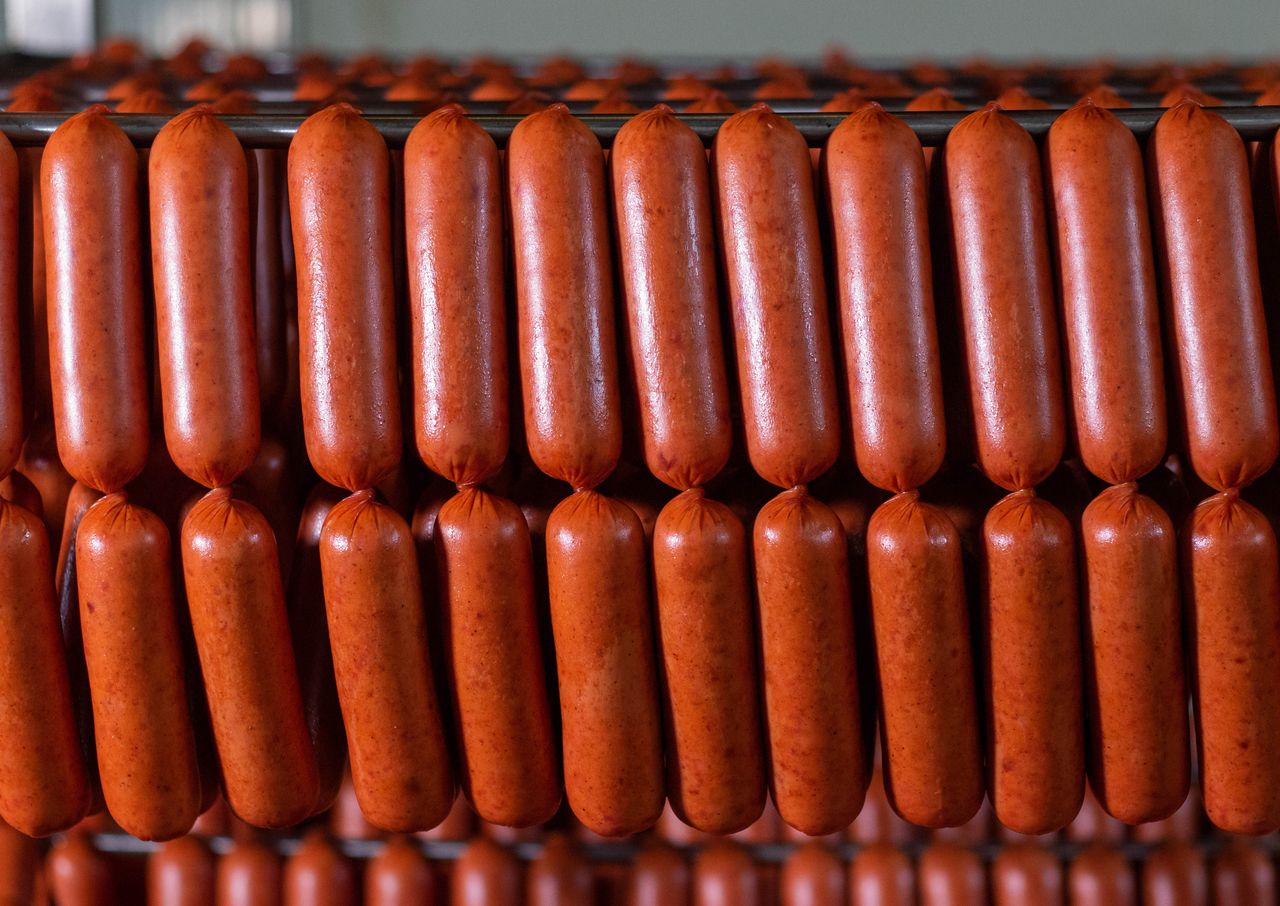
Doctors routinely put processed meats near the top of the avoid list after 50, and for good reason. Bacon, sausage, hot dogs, deli turkey, ham, and salami are typically loaded with sodium and preservatives, and both the American Heart Association and Harvard nutrition experts recommend limiting them. This matters more with age because high blood pressure, heart disease, and stroke risk all climb in later decades.
Sugary drinks belong in the same danger zone. Regular soda, sweet tea, energy drinks, and many fruit-flavored beverages deliver a fast hit of added sugar without fiber or meaningful nutrition. The American Heart Association notes that a single 12-ounce soda contains about 10 teaspoons of sugar, making these drinks one of the easiest ways to overshoot daily sugar targets.
Packaged desserts and snack foods also deserve scrutiny. Doughnuts, pastries, cookies, chips, and many ultra-processed crackers are often built around refined flour, added sugar, sodium, and unhealthy fats. The bigger issue after 50 is cumulative: these foods can crowd out protein, fiber, potassium, and other nutrients older adults need more of, not less.
Frozen pizzas, instant noodles, and many canned soups round out this category. They are convenient, but convenience often comes with a major sodium burden. The American Heart Association says about 70% of the sodium in the typical U.S. diet comes from commercially processed and restaurant foods, which helps explain why these staples can quietly worsen blood pressure control over time.
Refined carbs, fried favorites, and breakfast impostors
White bread, white rice, oversized pasta servings, and sugary breakfast cereals are foods many doctors advise cutting back after 50. Harvard nutrition guidance has long warned that refined grains digest quickly, driving blood sugar and insulin higher while offering far less fiber than whole-grain alternatives. For adults already edging toward prediabetes, that pattern can become a daily metabolic strain.
French fries, fried chicken, and other deep-fried foods are another common target. Frying often adds excess calories and unhealthy fats to foods that are already easy to overeat. In real life, these meals also tend to travel with salty sauces and sugary drinks, creating the kind of high-sodium, high-fat combination cardiologists warn about.
Low-fat flavored yogurts, coffee drinks, and “healthy” granola bars can be just as misleading. Many are marketed as smart choices but contain dessert-level sugar. Doctors often tell patients over 50 to ignore front-label promises and check for added sugars, sodium, and protein instead, because appetite may fall with age even as nutrient needs remain high.
Margarines and shelf-stable baked goods made with older-style partially hydrogenated oils have become less common, but trans fat concerns have not disappeared entirely from ultra-processed foods worldwide. More broadly, heart specialists still advise minimizing products high in saturated fat, salt, and added sugar. The lesson is simple: foods sold as convenient or diet-friendly are not automatically protective.
The drinks and habits that become riskier with age
Alcohol often becomes harder to tolerate after 50, even in amounts that once felt moderate. The Dietary Guidelines for Americans say adults who drink should keep it to no more than 1 drink a day for women and 2 for men, but many physicians urge some older adults to go lower because alcohol can interact with medications, disrupt sleep, and worsen blood pressure or reflux.
Oversized restaurant meals deserve a place on this list too, especially burgers, sandwiches, tacos, and combo plates that pack in processed meat, cheese, refined buns, and salty sides. The American Heart Association identifies these kinds of dishes as major sodium contributors in the U.S. diet. For many adults over 50, the issue is not one dramatic indulgence but how often these meals become routine.
So what are the 13 foods doctors most want gone or greatly reduced? Processed meats, hot dogs, bacon, deli meats, sugary drinks, pastries, cookies, chips, canned soups, frozen pizza, instant noodles, refined grains, fried foods, and sugary breakfast products consistently make the list. Different doctors phrase it differently, but the pattern is remarkably consistent: fewer ultra-processed foods, less added sugar, less sodium, and fewer refined starches.
That shift is not about eating joylessly. It is about protecting blood vessels, preserving energy, stabilizing blood sugar, and making room for foods that do more work for you, like beans, fish, vegetables, fruit, yogurt without added sugar, nuts, and whole grains. After 50, the smartest diet changes are usually the least glamorous and the most effective.