
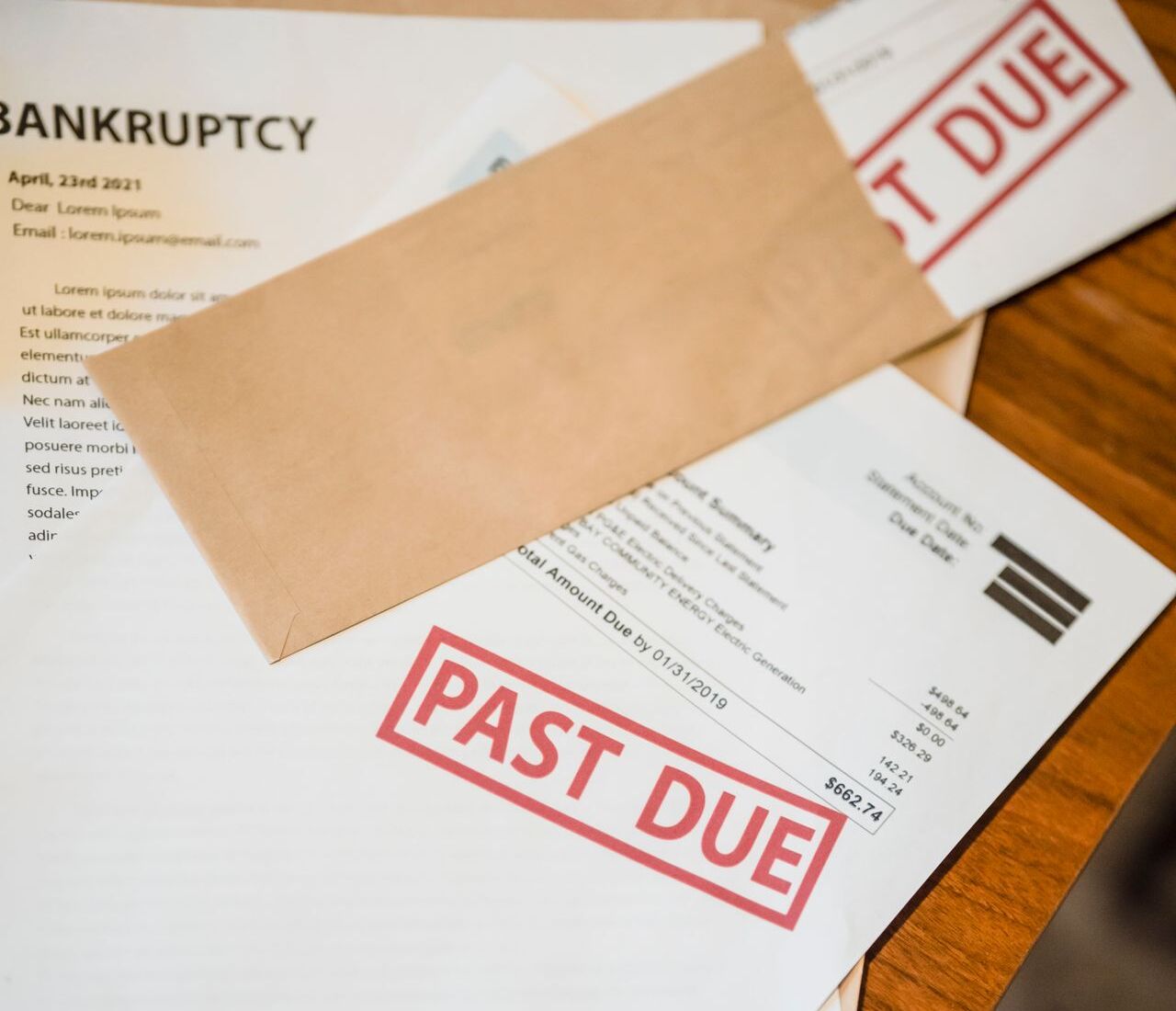
Restaurant bankruptcies rose again in 2026 as chains faced higher borrowing costs, softer consumer spending, and persistent labor and food inflation. That pressure became especially visible in three high-profile collapses: FAT Brands, Salad and Go, and Lena Brands. Together, their filings show how fast growth strategies, tight liquidity, and lender disputes can destabilize even widely known restaurant portfolios.
FAT Brands became 2026’s biggest restaurant restructuring
FAT Brands filed voluntary Chapter 11 petitions on January 26, 2026, in the U.S. Bankruptcy Court for the Southern District of Texas, the company confirmed in a news release. The Los Angeles-based franchisor said its portfolio included more than 2,200 locations worldwide at the time of filing. Restaurant Dive, citing court documents, reported the company entered bankruptcy with roughly $1.4 billion in debt, making it one of the largest restaurant restructurings of the year.
The company said brands including Fatburger, Johnny Rockets, and Round Table Pizza were expected to keep operating during the case. By May, a bankruptcy court had approved multiple asset sales totaling nearly $1 billion, according to Restaurant Dive. National Restaurant News reported lenders agreed to take over large portions of the company through debt-backed transactions, while some smaller brands were sold for cash.
For customers, the immediate effect was limited because the company said restaurants would continue normal operations during the Chapter 11 process. What remained less clear was how ownership changes would affect franchise support, marketing, and long-term development commitments in specific local markets. The company did not publicly release a consumer-facing, location-by-location impact list at the time of the restructuring.
Court filings and trade reporting pointed to several causes. Restaurant Dive reported FAT Brands had spent years building a large portfolio through acquisitions, leaving it with more than $1 billion in debt. The same reporting cited inflation, tariffs, reduced consumer spending, and legal costs tied to ongoing disputes and investigations as added pressure on cash flow.
Salad and Go shut down all remaining stores after filing
Salad and Go’s operator, And Go Concepts, filed for Chapter 11 protection on August 4, 2026, and the chain closed all 70 remaining restaurants on August 5, according to Restaurant Dive and bankruptcy filing reports published by Omni Agent Solutions. The filing in the Southern District of Texas listed And Go Concepts with estimated assets and liabilities each in the $500 million to $1 billion range. The closure ended operations for what had once been one of the country’s fastest-growing drive-thru salad chains.
The state-level effect was most visible in Arizona, where the brand was founded, but the company also had restaurants and related assets in Nevada, Oklahoma, and Texas, according to Law360 and trade coverage. Public reporting confirmed the total store count that closed, but the company did not release a comprehensive city-by-city closure list in its public statements. That means some local impacts were evident immediately, while a full final accounting by market was not yet publicly detailed.
For customers, the outcome was more abrupt than in other 2026 restructurings because service ended almost immediately. Restaurant Dive reported the company permanently closed all remaining stores rather than keeping units open through a longer reorganization. In practical terms, residents in affected states should expect no further store operations unless assets or leases are later acquired by another operator.
The causes were laid out in reporting tied to the filing. Restaurant Dive and Law360 said Salad and Go cited years of losses, declining demand, rising operating costs, prior expansion challenges, and a sharp traffic drop during the summer 2026 Cyclospora outbreak. Trade coverage also said the company had explored a sale before filing but was unable to complete one.
Lena Brands filed after lenders and a processor froze access to cash
Lena Brands LLC, parent of Shari’s Cafe & Pies and Coco’s Bakery, filed for Chapter 11 on May 15, 2026, in the District of Delaware, according to its Omni restructuring case page. Nation’s Restaurant News reported the filing followed a cash-flow crisis tied to merchant cash advance lenders and a payment dispute involving Stripe. The bankruptcy covered a much smaller operating base than the company’s historical footprint, with later case reporting indicating 11 remaining restaurants in California, Washington, and Idaho.
The local impact was concentrated in the West, especially in Pacific Northwest markets long associated with Shari’s. Public reporting said Shari’s had already closed dozens of restaurants before the Chapter 11 filing, but the company did not publish a comprehensive public list of every affected city. That left some uncertainty for residents trying to track which specific remaining stores, if any, would continue operating during restructuring.
For customers, the most important confirmed fact was that the filing was driven by liquidity, not a broad public announcement of an immediate full-chain shutdown. Nation’s Restaurant News reported that delivery payment flows tied to DoorDash and Grubhub had become central revenue sources, making access to processor-held funds especially important. In communities where units remained open, service continuity depended on the restructuring process rather than a blanket closure order.
The company’s explanation was specific. According to court-related reporting and the restructuring case materials, merchant cash advance lenders asserted claims that triggered a freeze on part of the company’s funds at Stripe, worsening an already fragile cash position. That made Lena Brands a case study in how expensive alternative financing and restricted cash access can quickly overwhelm a restaurant operator with a shrinking store base.
Планирую закупать товары из Китая через разные маркетплейсы с доставкой в Россию, но столкнулся с тем, что цены, условия оплаты, минимальные партии и качество продукции у продавцов сильно отличаются, а итоговая стоимость с учётом посредника, выкупа, консолидации, доставки и таможенного оформления заранее непонятна. Не хочется получить товар, который не соответствует образцам, переплатить за логистику или столкнуться с задержкой груза. Через какие китайские площадки вы закупаете, как проверяете поставщиков и какой способ доставки в Россию считаете наиболее надёжным? Как лучше делать [url=https://t.me/+sB5xTpVrQFc0YzE8]покуки из Китая[/url]
I really like the layout of this site and how intuitive it is for new players. I had a blast playing on br5542bet last weekend.