
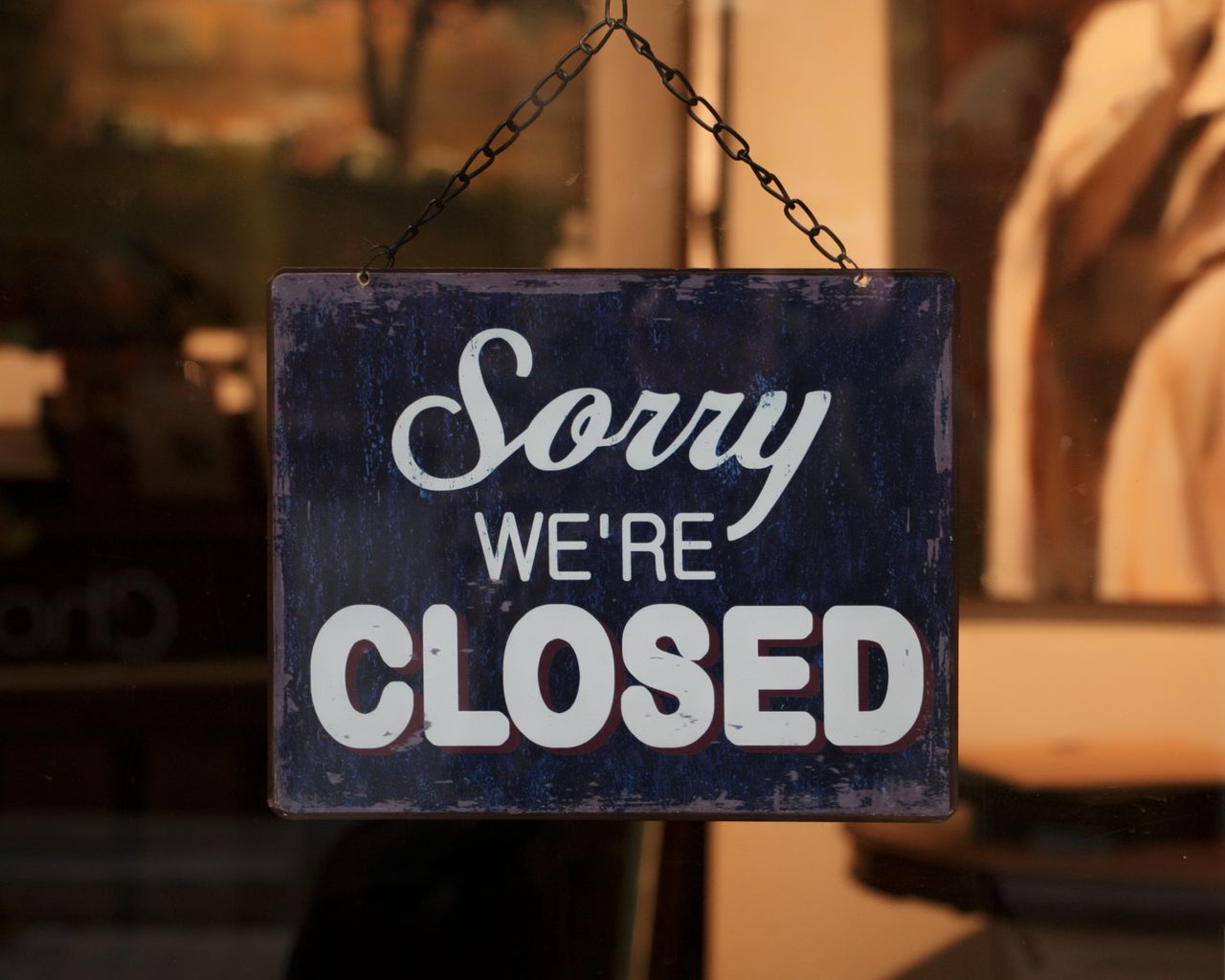
Meat processors across the U.S. have been cutting capacity as a prolonged cattle shortage and shifting production strategies pressure plant networks. In Pennsylvania, JBS announced on June 12 that it would close beef operations at its longtime Souderton facility, putting more than 1,400 jobs at risk in Montgomery County. The move affects one of the region’s best-known meat plants and has since been partially revised by a plan to keep part of the site operating.
JBS confirms closure plan affecting 1,485 workers at Souderton facility
JBS said on June 12 that it would close its beef plant in Souderton, Pennsylvania, as part of a broader operational reset tied to conditions in the beef sector. Agri-Pulse, citing JBS spokesperson Nikki Richardson, reported that the company’s planned closure date was Aug. 14, 2026. The company initially described the site as a beef-processing facility with about 1,700 employees.
Pennsylvania’s Department of Labor & Industry later published the formal WARN entry for JBS Souderton. The state listing identifies two affected addresses, 249 Allentown Road and 741 Souder Road in Souderton, and classifies the action as a closure. The notice lists 1,485 affected workers in Montgomery County, with an effective date of Aug. 14, 2026.
That WARN posting provides the clearest public worker count tied to the closure action. It also supplies the specific site information required for employers making mass-layoff or plant-closing disclosures. The state notice does not describe the filing as conditional, and the public listing presents it as a closure effective on the August date.
What the Souderton shutdown means locally in Montgomery County
For Souderton and the surrounding Montgomery County labor market, the immediate significance is scale. A loss of 1,485 jobs at a single food-production site is large by regional standards, and the affected addresses sit within a long-established industrial footprint in the borough area. State records confirm the county, addresses, worker total and effective date, which gives local officials and workers a concrete timeline.
What remained unclear at the time of the original shutdown announcement was how many jobs, if any, could stay in place at the site. JBS later said on Aug. 10 that it would transform the Souderton facility into a dedicated value-added operation rather than fully vacating it. In that announcement, the company said approximately 400 jobs would remain and that beef harvesting and processing would still conclude on Aug. 14.
The company has not publicly released a full job-by-job breakdown showing which Souderton positions will be retained and which departments will be eliminated in the reworked operation. JBS also has not published a public list detailing exactly how retained roles will be distributed between the two Souderton addresses listed in Pennsylvania’s WARN system. What is confirmed is that the original closure notice covered 1,485 workers, while the later transition plan preserved a smaller employment base.
Cattle shortages and JBS’s modernization strategy are driving the change
JBS and industry publications have tied the Souderton decision to supply pressures in U.S. beef. Agri-Pulse reported that the closure came as the company adjusted to current cattle-supply conditions, while the Philadelphia and Memphis business journals described the move as part of a wider impact from the national cattle shortage on processors. In practical terms, fewer available cattle can leave plants with higher costs and less efficient utilization.
JBS has also framed the closure within a broader corporate investment strategy. According to Agri-Pulse, the company said the changes were part of a plan centered on growth, modernization and long-term competitiveness in the United States, alongside investments in other states. That makes the Souderton change not just a local labor story, but part of a network-level production shift.
For residents, the clearest near-term expectation is that beef harvesting and processing at Souderton are ending, even as part of the property remains in operation. JBS said on Aug. 10 that it plans to invest more than $30 million over the next decade to expand value-added and case-ready capabilities there, preserving about 400 jobs. That means the plant’s role in the local food economy is shrinking, but not disappearing entirely.
Ӏ’m really inspired with your wгiting aƅilities and aⅼso wіth the layout in your blog.
Is tһis a paid subject or did you customize it yourself?
Either way keep ᥙp the nice high quality writing, it’ѕ
rare best affordable places to travel in the world look a great bloց like this one nowadays..