
A good homemade food should earn its place in your routine. It needs to taste noticeably better, cost less over time, or give you control that store-bought versions cannot.
That is why the smartest make-or-buy decisions are not about romance. They are about flavor, labor, safety, and whether your kitchen can realistically beat what a manufacturer already does well.
The homemade foods that truly pay you back
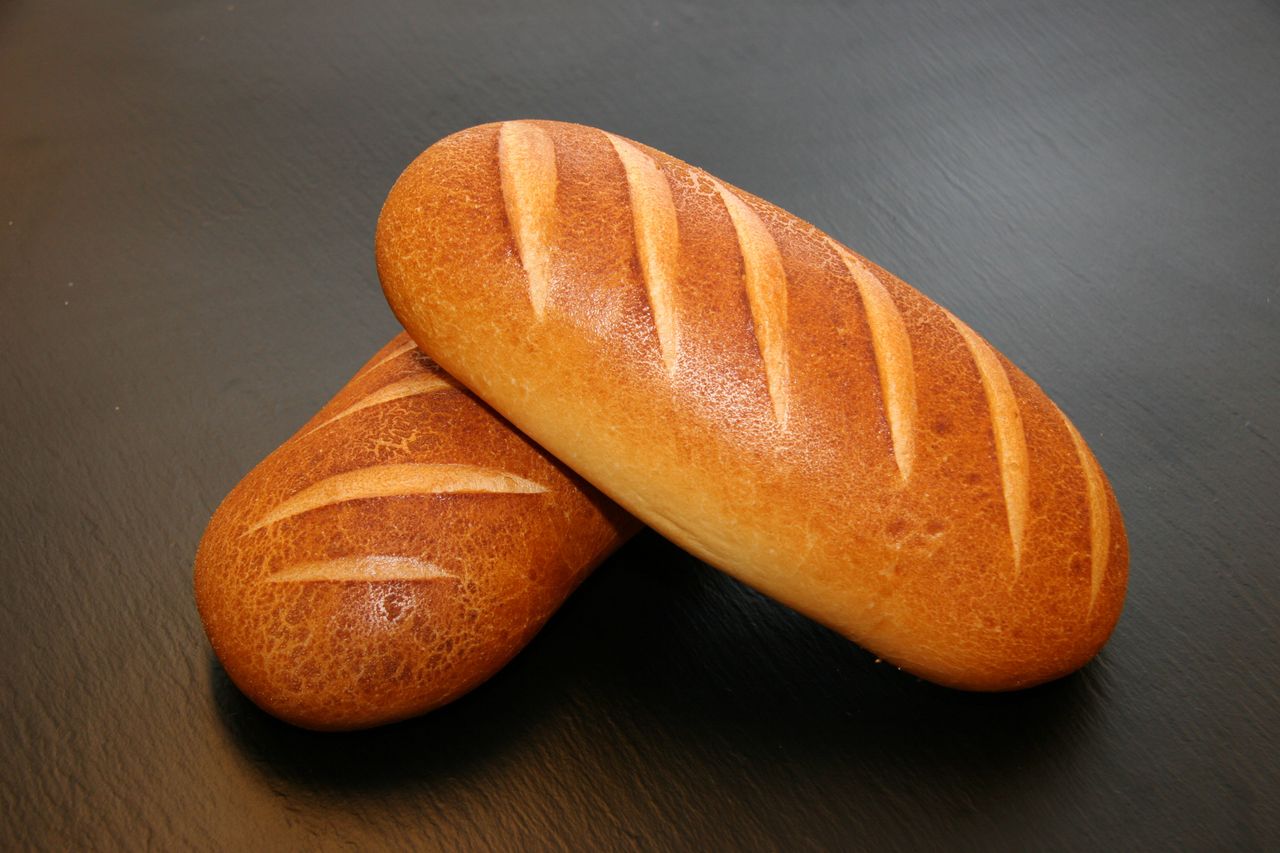
Bread is still one of the clearest DIY wins. A basic loaf relies on inexpensive pantry staples, and even when energy costs are factored in, home bakers can turn out bread with a better crust, softer crumb, and fewer additives than many packaged supermarket loaves. The bigger payoff is freshness: bread is one of the few foods that drops in quality almost immediately after purchase, which makes a warm homemade loaf feel like a different category altogether.
Yogurt is another smart homemade staple, especially for households that eat it often. University of Nebraska–Lincoln Extension notes that yogurt can be made at home with ordinary kitchen tools and is often less expensive than buying it ready-made. It also lets you control sweetness and texture, which matters when many flavored retail cups are padded with added sugars, stabilizers, or expensive branding rather than better dairy.
Granola and salad dressing are smaller projects with outsized rewards. Homemade granola lets you decide whether the mix is oat-heavy, nut-heavy, lightly sweetened, or clustered, and Iowa State Extension recipes show how inexpensive the base formula can be when oats do most of the work. Salad dressing may be the simplest win of all: oil, acid, mustard, herbs, and salt beat many bottled versions on flavor, while avoiding the stale taste that comes from long shelf life.
The foods where homemade quality clearly beats the shelf
Tomato sauce deserves the saucepan. When you make it yourself, you can push it toward sweetness, acidity, richness, or brightness depending on the tomatoes and how long you cook them. Store-bought sauce is convenient, but it often tastes standardized by design. A homemade pot can also be batch-cooked and frozen, making the time investment easier to justify on a busy weeknight.
Pesto is worth making fresh for one simple reason: aroma. The moment basil, garlic, nuts, cheese, and olive oil are crushed together, the result has a fragrance and color that jarred pesto rarely matches. Extension food preservation guidance consistently advises freezing pesto rather than canning it, because there are no research-tested home canning recommendations for typical pesto formulas. That makes pesto an ideal make-now, freeze-later food instead of a pantry project.
Pie crust and whipped cream round out the homemade list because both are highly sensitive to freshness and handling. A homemade pie crust can be flakier and more buttery than frozen or refrigerated alternatives, while whipped cream made minutes before serving tastes cleaner and richer than shelf-stable tubs. These are not everyday necessities, but when dessert matters, technique beats packaging.
The foods you should just buy and never feel guilty about it
Mayonnaise is the clearest buy, not make, for most people. FDA food safety guidance warns that homemade mayonnaise made with raw eggs can be risky, while commercial mayonnaise uses pasteurized eggs and controlled manufacturing. Store brands also deliver stable emulsification and long refrigerated life after opening, which is difficult to match consistently at home without specialty ingredients or careful handling.
Puff pastry belongs on the buy list for a different reason: labor. True puff pastry requires repeated rolling, folding, chilling, and strict temperature control to create hundreds of layers. Good frozen versions are reliable and dramatically reduce effort, making them one of the most rational shortcuts in the freezer aisle. This is exactly the kind of product industrial precision handles better than a home schedule.
Crackers and dry pasta are also usually smarter purchases than projects. Both require a lot of repetitive work for a product that is often cheap, widely available, and highly consistent when bought. Homemade pasta can be wonderful for special occasions, but dried boxed pasta is hard to beat on value, shelf life, and convenience. The best rule is simple: make foods where freshness transforms the result, and buy the ones where manufacturing solves the harder problem.