
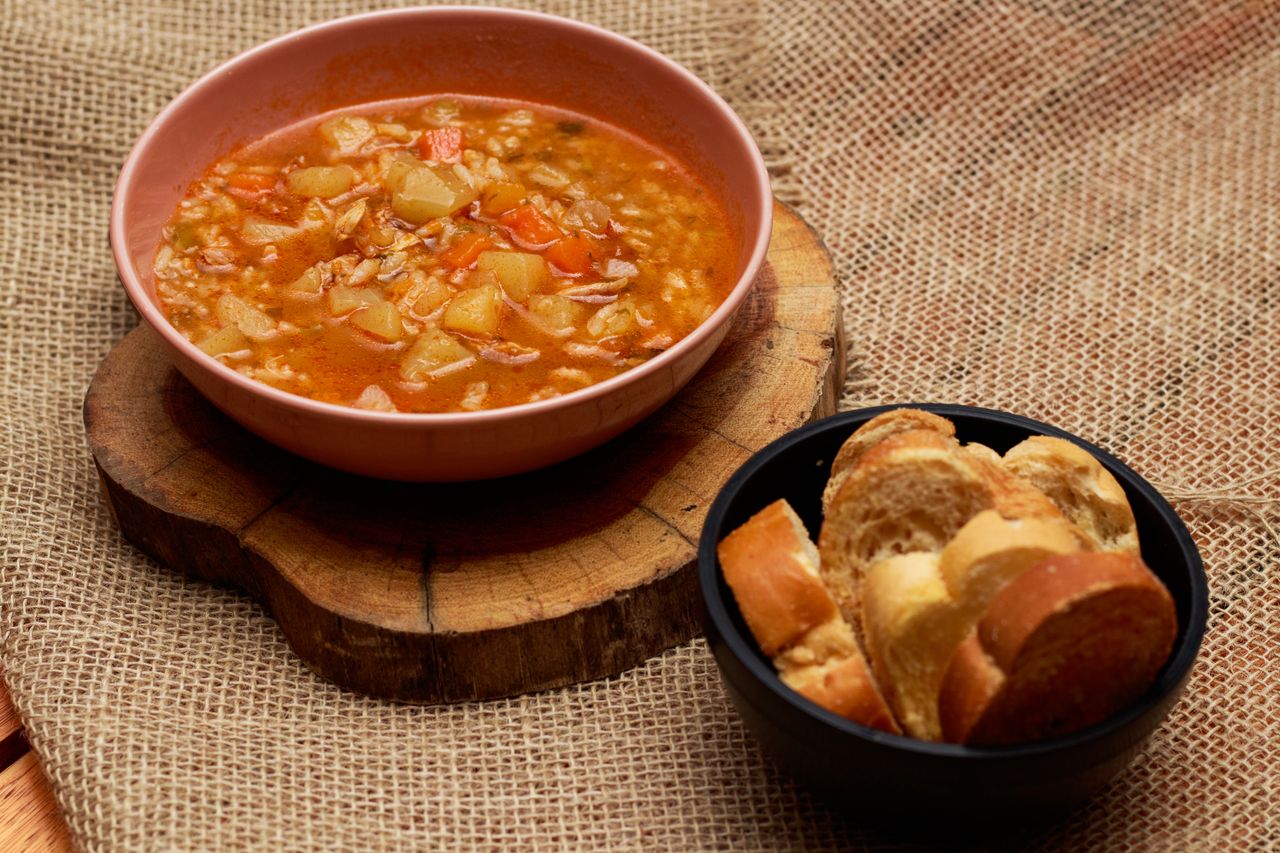
Some of the best food in America was born when money was tight and waste was unacceptable. These recipes lasted because they were cheap, filling, and far better than their humble ingredient lists suggested.
Why “make-do cooking” still hits today
Frugal cooking was never just about deprivation. It was about technique: stretching protein, rescuing stale bread, and turning low-cost staples into meals with texture and depth. Smithsonian’s writing on lean-time eating and Depression-era food culture shows just how inventive home cooks became when dried beans, onions, potatoes, cornmeal, and scraps had to do the heavy lifting.
That is the world that gave us dishes like beans and cornbread, potato soup, fried cabbage and noodles, milk toast, bread pudding, rice pudding, salmon patties, tomato gravy, creamed chipped beef on toast, and skillet hash. None of them needed luxury ingredients. Most relied on bulk staples, leftovers, or preserved foods that could sit in the pantry and wait.
There is solid nutritional logic behind that old wisdom. USDA nutrition guidance notes that beans deliver protein, fiber, iron, potassium, and other key nutrients, which helps explain why they anchored so many low-cost meals. A pot of beans with cornbread was not trendy “plant-forward” eating. It was dinner, and it worked.
Stale bread was another secret weapon. King Arthur Baking points out that bread pudding remains one of the classic ways to transform old bread into something rich and comforting. National Geographic has also highlighted how many cultures built signature dishes from leftovers rather than treating them as waste. Grandparents did not “upcycle.” They simply knew better than to throw away perfectly usable food.
The 10 recipes that prove less can taste like more
Beans and cornbread may be the purest example of thrift meeting satisfaction. Dried beans were cheap, shelf-stable, and filling, while cornbread came together from cornmeal, fat, salt, and leavening. Add onion, a ham hock if you had one, or even just pepper, and dinner was set.
Potato soup, skillet hash, and fried potatoes with onions all came from the same principle: the potato is endlessly stretchable. A little milk, broth, bacon drippings, or flour could turn it creamy, crisp, or hearty. That flexibility made potatoes a cornerstone of working-class kitchens for generations.
Then came the bread savers: milk toast, tomato gravy over toast, bread pudding, and rice pudding. These were texture-driven foods, not just filler. Soft custard, browned edges, and savory gravies made them comforting enough that people still cook them by choice, not necessity.
The protein-stretchers rounded out the list. Salmon patties used canned fish, crumbs, and egg to become a full meal. Creamed chipped beef on toast turned preserved meat and white sauce into something substantial, while fried cabbage and noodles proved that butter, starch, and a brassica can punch far above their price point. Even today, these recipes feel less like relics and more like proof that seasoning and know-how beat expensive groceries.
What these recipes teach modern cooks
The first lesson is that cost control starts with pantry design. Keep dried beans, rice, flour, cornmeal, potatoes, onions, canned fish, pasta, and bread in circulation, and you can build half this list on demand. That is not nostalgia talking; it is efficient household management.
The second lesson is that waste reduction improves flavor as much as it saves money. Slightly stale bread absorbs custard better. Leftover potatoes fry better. Extra rice becomes pudding or supper the next day. National Geographic’s reporting on cooking with discards makes the same point: many beloved foods began as intelligent salvage, not compromise.
The third lesson is emotional, and it matters. These meals endured because they fed people reliably, but also because they created comfort during unstable times. According to National Geographic, Americans spend far less time cooking than they did in the mid-1960s, which makes these older, simple preparations feel newly relevant.
That is why these recipes still slap. They are cheap without feeling sad, practical without being joyless, and familiar without being boring. Your grandparents were not chasing authenticity or vintage charm. They were making dinner from almost nothing, and in the process, they built some of the most durable comfort food ever cooked.
On a related note. I’ve recently been using a job board at https://khqa.nqlnx.com/ that really changed how I look for work. You can filter by location, employer and salary, and fresh openings show up constantly. Let me know if it helps?
The app is super responsive and makes betting on the go so much easier. I love the clean layout of mostplaybetapp